Structure
Blueprints for a Malaysia's Next Chapter
Jan 12 2026
In the collective consciousness of a nation, certain years become synonymous with ambition. They stand on the horizon not merely as a calendar date, but as a deadline for dreams, a finish line for feats of engineering, and a launchpad for new eras of economic and social life. For Malaysia, 2026 is rapidly shaping up to be such a pivotal year. It is a year when lines on masterplans are scheduled to become steel and concrete, when digital strategies are set to manifest in daily life, and when long-term visions for sustainability, connectivity, and livability are poised to tangibly transform the landscape. The portfolio of major projects targeting completion or significant milestones in 2026 tells a compelling story of a nation building with intention, aiming not just for growth, but for smarter, greener, and more inclusive development. These are not just construction sites; they are the workshops where Malaysia’s future identity is being actively forged.
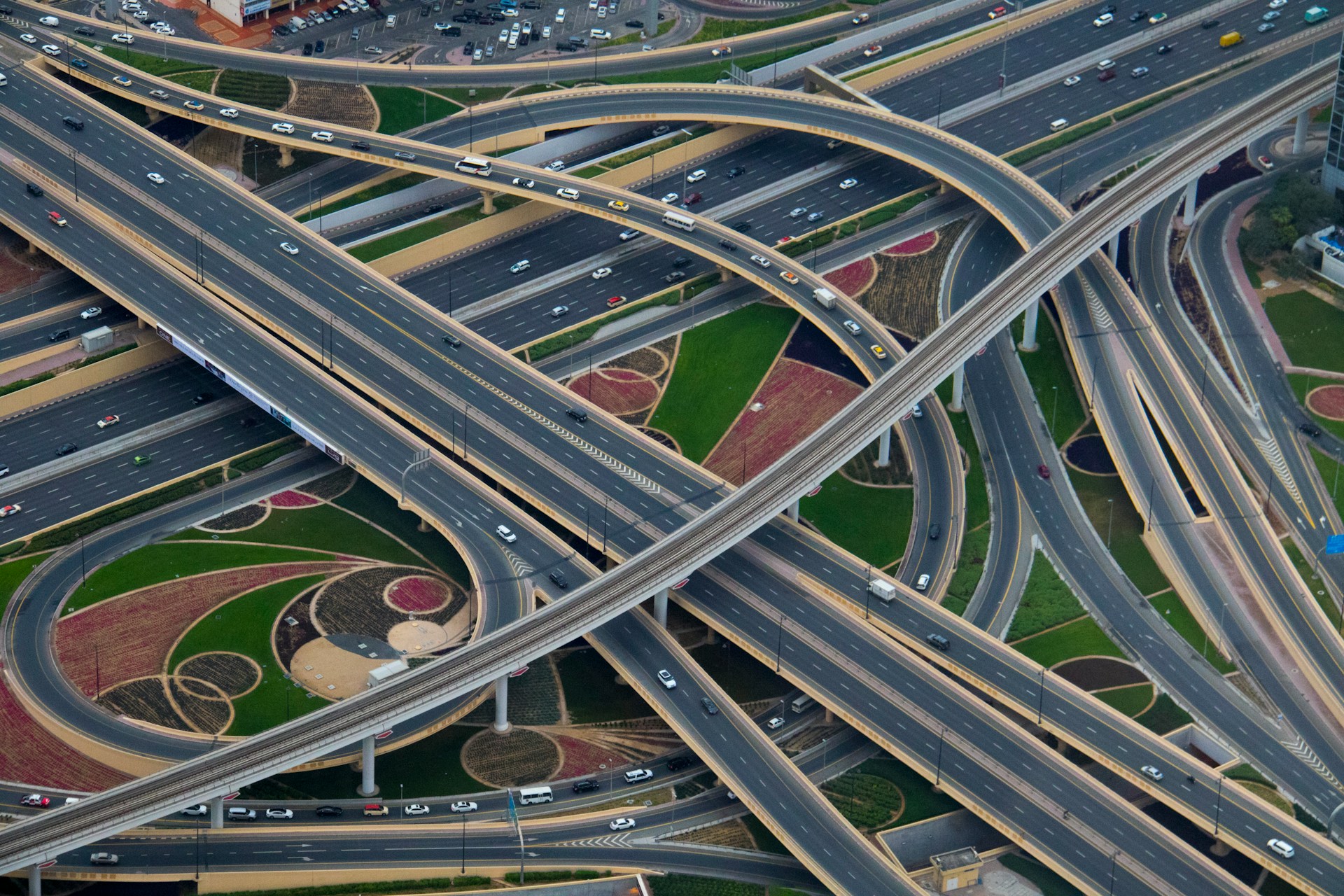
At the forefront of this transformative wave are several landmark infrastructure projects designed to redefine urban mobility and national connectivity. The Mass Rapid Transit 3 (MRT3), also known as the Circle Line, is slated to achieve a critical milestone in 2026. While its full completion stretches further, the first stages of tunnelling and station construction for this orbital line will be intensely active. Envisioned to form a loop around central Kuala Lumpur, intersecting with existing MRT, LRT, and KTM Komuter lines, the MRT3 represents the final piece in creating a truly integrated and comprehensive urban rail network. Its completion, in the coming years, will promise a future where the concept of being "stuck in traffic" in the Klang Valley could become an antiquated notion, as residents can seamlessly orbit the city centre via efficient, reliable public transit. Simultaneously, attention shifts eastward to the Pan Borneo Highway in Sarawak. By 2026, vast stretches of this transformative road are expected to be fully operational, having moved past the initial phases of upgrading existing routes. The completion of key sections will dramatically slash travel times between major towns and remote interior regions, unlocking economic potential in agriculture, tourism, and resource-based industries. It will knit the vast state together, providing safer, all-weather access for communities long isolated by challenging terrain, fundamentally altering the rhythm of life and commerce in Borneo.
Parallel to these physical highways is the nation’s aggressive drive to build its digital infrastructure, with 2026 serving as a key checkpoint. The national aspiration to achieve 80% 5G network population coverage is a cornerstone of the Digital Malaysia blueprint. By 2026, this target is expected to be not just met, but solidified and expanded upon. The rollout, managed by Digital Nasional Berhad (DNB), aims to transition into a dual wholesale network model, fostering greater industry participation. For the average Malaysian, 2026 will be the year when 5G’s promise transitions from a marketing term into a tangible utility. This will mean more than just faster smartphone downloads; it will enable the proliferation of smart city applications, accelerate the adoption of Industrial Revolution 4.0 in manufacturing through real-time IoT connectivity, and revolutionise sectors like telemedicine and remote education with ultra-reliable, low-latency connections. This digital highway is as crucial as any road or rail line, forming the nervous system of a modern, competitive economy.
At the forefront of this transformative wave are several landmark infrastructure projects designed to redefine urban mobility and national connectivity. The Mass Rapid Transit 3 (MRT3), also known as the Circle Line, is slated to achieve a critical milestone in 2026. While its full completion stretches further, the first stages of tunnelling and station construction for this orbital line will be intensely active. Envisioned to form a loop around central Kuala Lumpur, intersecting with existing MRT, LRT, and KTM Komuter lines, the MRT3 represents the final piece in creating a truly integrated and comprehensive urban rail network. Its completion, in the coming years, will promise a future where the concept of being "stuck in traffic" in the Klang Valley could become an antiquated notion, as residents can seamlessly orbit the city centre via efficient, reliable public transit. Simultaneously, attention shifts eastward to the Pan Borneo Highway in Sarawak. By 2026, vast stretches of this transformative road are expected to be fully operational, having moved past the initial phases of upgrading existing routes. The completion of key sections will dramatically slash travel times between major towns and remote interior regions, unlocking economic potential in agriculture, tourism, and resource-based industries. It will knit the vast state together, providing safer, all-weather access for communities long isolated by challenging terrain, fundamentally altering the rhythm of life and commerce in Borneo.
Parallel to these physical highways is the nation’s aggressive drive to build its digital infrastructure, with 2026 serving as a key checkpoint. The national aspiration to achieve 80% 5G network population coverage is a cornerstone of the Digital Malaysia blueprint. By 2026, this target is expected to be not just met, but solidified and expanded upon. The rollout, managed by Digital Nasional Berhad (DNB), aims to transition into a dual wholesale network model, fostering greater industry participation. For the average Malaysian, 2026 will be the year when 5G’s promise transitions from a marketing term into a tangible utility. This will mean more than just faster smartphone downloads; it will enable the proliferation of smart city applications, accelerate the adoption of Industrial Revolution 4.0 in manufacturing through real-time IoT connectivity, and revolutionise sectors like telemedicine and remote education with ultra-reliable, low-latency connections. This digital highway is as crucial as any road or rail line, forming the nervous system of a modern, competitive economy.

The development narrative of 2026 is also powerfully anchored in the creation of new economic engines and urban centres. The Pengerang Integrated Petroleum Complex (PIPC) in Johor, while already partially operational, will see further downstream plants and supporting facilities reaching completion. This mega-project solidifies Malaysia’s strategic position in the global petrochemical value chain, moving beyond raw resource export to high-value manufacturing. It creates a powerful economic magnet in southern Peninsular Malaysia, generating thousands of skilled jobs and stimulating ancillary industries. On a different scale but with equal ambition, the Bukit Bintang City Centre (BBCC) development in the heart of Kuala Lumpur is set to unveil major components by 2026. This mixed-use regeneration project on the former Puduraya site will integrate a lifestyle mall, offices, a five-star hotel, and the highly anticipated Showase Theatre. BBCC represents the evolution of the Malaysian urban core—moving from monolithic shopping centres to experiential, walkable, 24-hour districts that blend work, leisure, and culture, reimagining what a city centre can be for residents and visitors alike.
Perhaps the most defining theme threading through the 2026 project portfolio is the unequivocal commitment to sustainability and green technology. This is the year where environmental, social, and governance (ESG) principles move firmly from boardroom discussions into brick-and-mortar reality. The National Energy Transition Roadmap (NETR) will see several of its flagship initiatives materialise. Large-scale solar (LSS) parks and hybrid hydro-floating solar projects are scheduled to come online, significantly boosting the country’s renewable energy capacity and diversifying its energy mix away from fossil fuels. In the property sector, 2026 will witness the completion of several pioneering developments certified under rigorous green building standards like the Green Building Index (GBI) and LEED. These buildings incorporate biophilic design, energy-efficient systems, rainwater harvesting, and waste-reduction technologies not as add-ons, but as foundational design principles. They set a new benchmark for the construction industry, proving that sustainable development is not a cost burden, but a value creator that results in lower operational expenses, healthier indoor environments, and enhanced resilience against climate change.
The vision for 2026 extends beyond steel, glass, and silicon to encompass the very fabric of community and heritage. Various social infrastructure projects, including new public hospitals and upgraded health clinics under the Ministry of Health’s development plan, are targeted for completion, aiming to improve healthcare accessibility and outcomes nationwide. In education, the continued rollout of the Sarawak International Heart of Borneo Education Hub and similar initiatives seek to elevate regional education standards. Furthermore, there is a growing emphasis on heritage-led urban regeneration. Projects in George Town, Melaka, and Kuala Lumpur’s own Merdeka 118 precinct are consciously working to integrate historical conservation with modern urban function. By 2026, we can expect to see more adaptive reuse of heritage buildings—transforming old shophouses into boutique hotels, cultural centres, or creative enterprise hubs. This approach preserves the nation’s soul and storytelling architecture while injecting it with new economic vitality, ensuring development has depth and cultural continuity.
Perhaps the most defining theme threading through the 2026 project portfolio is the unequivocal commitment to sustainability and green technology. This is the year where environmental, social, and governance (ESG) principles move firmly from boardroom discussions into brick-and-mortar reality. The National Energy Transition Roadmap (NETR) will see several of its flagship initiatives materialise. Large-scale solar (LSS) parks and hybrid hydro-floating solar projects are scheduled to come online, significantly boosting the country’s renewable energy capacity and diversifying its energy mix away from fossil fuels. In the property sector, 2026 will witness the completion of several pioneering developments certified under rigorous green building standards like the Green Building Index (GBI) and LEED. These buildings incorporate biophilic design, energy-efficient systems, rainwater harvesting, and waste-reduction technologies not as add-ons, but as foundational design principles. They set a new benchmark for the construction industry, proving that sustainable development is not a cost burden, but a value creator that results in lower operational expenses, healthier indoor environments, and enhanced resilience against climate change.
The vision for 2026 extends beyond steel, glass, and silicon to encompass the very fabric of community and heritage. Various social infrastructure projects, including new public hospitals and upgraded health clinics under the Ministry of Health’s development plan, are targeted for completion, aiming to improve healthcare accessibility and outcomes nationwide. In education, the continued rollout of the Sarawak International Heart of Borneo Education Hub and similar initiatives seek to elevate regional education standards. Furthermore, there is a growing emphasis on heritage-led urban regeneration. Projects in George Town, Melaka, and Kuala Lumpur’s own Merdeka 118 precinct are consciously working to integrate historical conservation with modern urban function. By 2026, we can expect to see more adaptive reuse of heritage buildings—transforming old shophouses into boutique hotels, cultural centres, or creative enterprise hubs. This approach preserves the nation’s soul and storytelling architecture while injecting it with new economic vitality, ensuring development has depth and cultural continuity.
Of course, the path to 2026 is not without its headwinds. The global economic climate, supply chain stability, and domestic fiscal policies will all influence the pace of progress. The true test for these projects lies not just in their on-time delivery, but in their long-term efficacy and integration. Success will be measured by user adoption—will the public embrace the new MRT3 lines? Will industries fully leverage the 5G infrastructure for transformation? Will the green buildings inspire a sector-wide shift? The human element is paramount. These projects must ultimately serve to improve livelihoods, create equitable opportunity, and enhance the quality of life for all Malaysians. They require not just engineering excellence, but thoughtful urban planning, inclusive policy-making, and continuous stakeholder engagement to ensure they are woven successfully into the societal tapestry.
As we look towards 2026, the collective endeavour represented by these projects is a powerful statement of national agency. It is a demonstration of Malaysia’s capacity to plan for the long term and execute complex, large-scale visions. From the forests of Sarawak to the digital cloud, from the revitalised historic cores to the gleaming new sustainable towers, the projects of 2026 are interconnected chapters in a single story: the story of a nation building its future with deliberate focus. They promise a Malaysia that is more connected, more technologically adept, more economically diversified, and more environmentally responsible. The cranes on the skyline and the fibre-optic cables beneath our feet are the tools of this transformation. By 2026, these blueprints will have begun their metamorphosis into lived reality, setting the stage for a more prosperous, resilient, and dynamic Malaysia for decades to come.
As we look towards 2026, the collective endeavour represented by these projects is a powerful statement of national agency. It is a demonstration of Malaysia’s capacity to plan for the long term and execute complex, large-scale visions. From the forests of Sarawak to the digital cloud, from the revitalised historic cores to the gleaming new sustainable towers, the projects of 2026 are interconnected chapters in a single story: the story of a nation building its future with deliberate focus. They promise a Malaysia that is more connected, more technologically adept, more economically diversified, and more environmentally responsible. The cranes on the skyline and the fibre-optic cables beneath our feet are the tools of this transformation. By 2026, these blueprints will have begun their metamorphosis into lived reality, setting the stage for a more prosperous, resilient, and dynamic Malaysia for decades to come.