Room
Open Office vs Private Office: Which Office Space Works Better?
Jun 2 2026

Walk into any modern coworking hub in Kuala Lumpur or a traditional corporate tower in KLCC, and you will immediately notice the contrast. On one floor, you might find a buzzing, borderless open office where teammates shout across desks and ideas collide freely. One floor above, a row of enclosed private offices hums quietly, each professional locked in focused concentration. Both environments exist for good reason — but which one actually works better for your team, your culture, and your business goals?
The answer is not as straightforward as most people expect. It depends on your team's nature, the kind of work you do, and the growth stage of your company. In Malaysia, where the workplace culture blends corporate hierarchy with modern startup agility, this choice carries even more weight. Let's break it down properly.
The answer is not as straightforward as most people expect. It depends on your team's nature, the kind of work you do, and the growth stage of your company. In Malaysia, where the workplace culture blends corporate hierarchy with modern startup agility, this choice carries even more weight. Let's break it down properly.
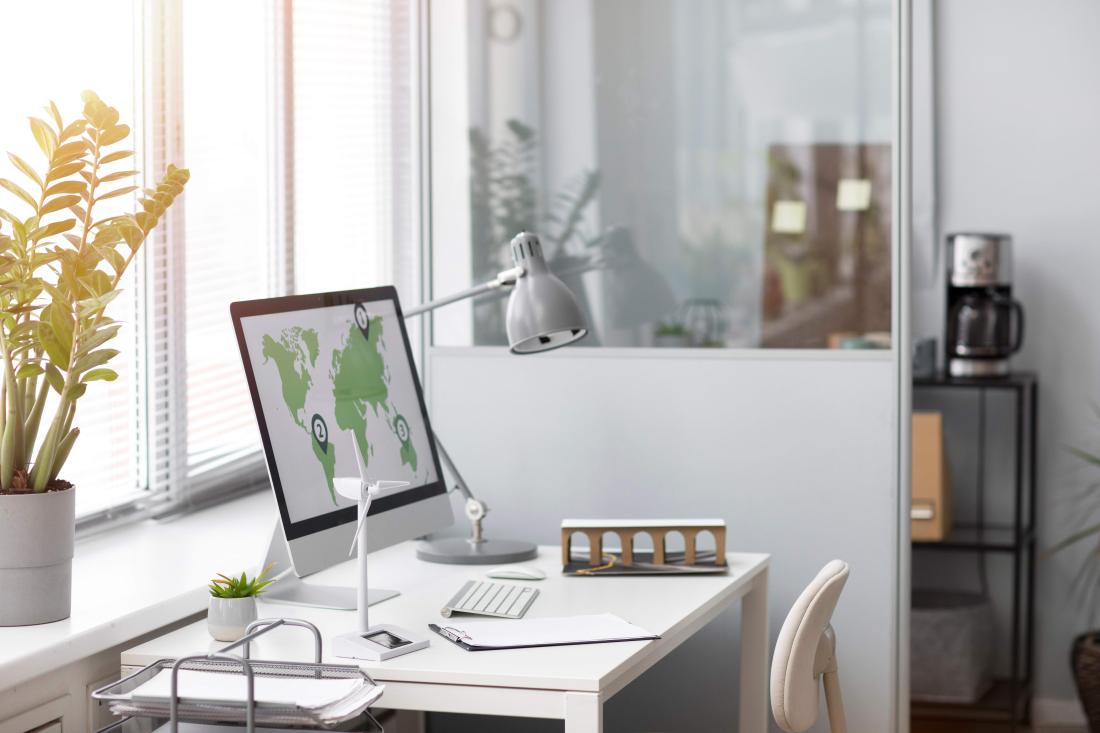
What Is an Open Office Space?
A private office, on the other hand, is a dedicated, enclosed workspace — either a single room for an individual or a lockable suite for a team. It comes with walls, a door, and a clear physical boundary that separates you from the rest of the building.
Private offices are commonly associated with law firms, financial institutions, and senior executives. However, in Malaysia's evolving office landscape, private offices are no longer just for the C-suite. Many flexible workspace providers now offer fully furnished private office suites for teams of two to fifty people, combining the control and professionalism of a traditional office with the convenience of a serviced setup.
If you have ever walked into a private office on a productive afternoon — just your team, your focused energy, and no external noise — you will understand the appeal immediately.
The Case for an Open Office
1. Collaboration and Team Connectivity
One of the most compelling reasons companies choose an open office is the ease of collaboration it enables. When your designers sit next to your marketers, and your sales team is within earshot of your operations leads, information travels fast. Questions get answered in seconds. Decisions get made without scheduling a formal meeting. For teams that rely heavily on real-time communication and creative brainstorming, this proximity is genuinely valuable.
In Malaysian startup culture, this kind of spontaneous synergy can be the difference between a product launch that comes together smoothly and one that falls apart due to miscommunication between siloed teams.
2. Cost Efficiency
Open offices are generally more affordable than private offices, particularly when you are renting from a coworking operator. You pay for a desk or a small team zone rather than an entire enclosed suite. For early-stage businesses in Malaysia watching their runway carefully, this can free up significant capital that would otherwise go toward rent, which can be reinvested into talent, marketing, or product development.
The cost advantage is especially clear in high-demand commercial areas like Bangsar South, Mont Kiara, and the Kuala Lumpur City Centre, where private office rates can be substantially higher per square foot than shared open-plan memberships.
3. Culture and Energy
There is something undeniably energising about working in a room full of motivated people. Open offices, when they are well-designed and well-managed, can create a palpable momentum. The visual cues of people working hard around you can motivate individuals who might otherwise slow down when left in isolation. For younger teams or those building company culture from scratch, the open office environment can help establish a sense of community and shared purpose.
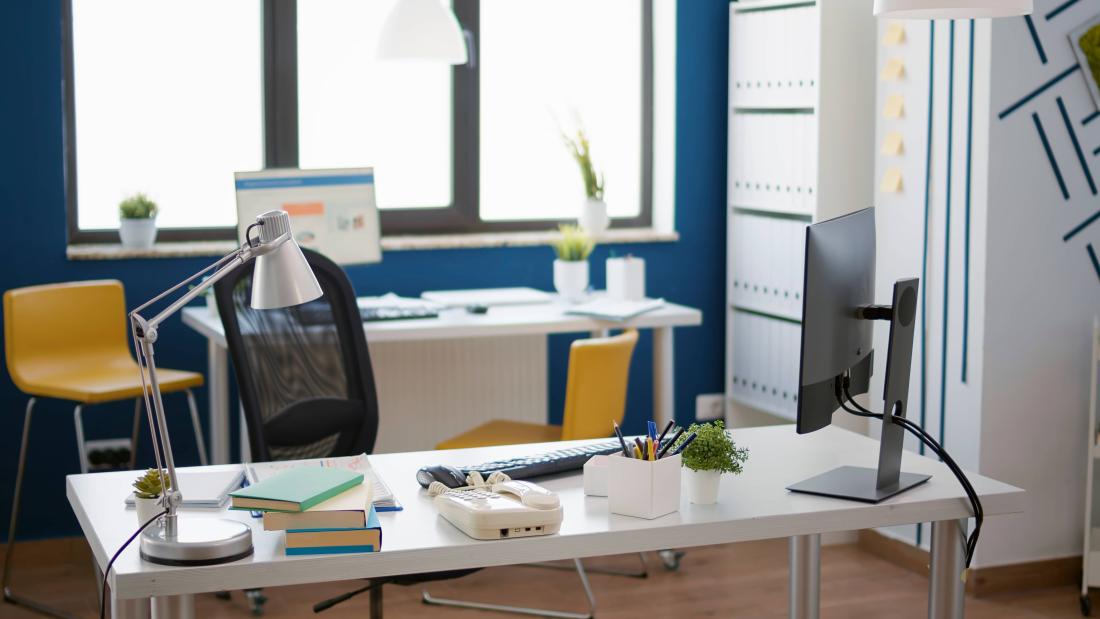
The Case for a Private Office
1. Focus and Deep Work
While open offices encourage collaboration, they can be devastating for concentration. Research on workplace productivity consistently shows that noise and interruptions are among the biggest killers of deep, focused work. Cognitive tasks that require sustained attention — writing complex reports, coding, financial modelling, legal drafting — suffer enormously in noisy environments.
In Malaysia's professional services sector, where attention to detail is non-negotiable, the private office provides something the open plan simply cannot: uninterrupted silence. When you close the door and settle in, you enter a mental state that is nearly impossible to achieve when someone three desks away is on a loud client call.
2. Confidentiality and Professionalism
For industries that handle sensitive information — legal, medical, financial advisory, human resources — the open office is not just inconvenient. It is often inappropriate. Client conversations, confidential documents, and sensitive data cannot be adequately protected in an environment where anyone can overhear or walk past a screen.
Private offices address this directly. In Malaysia, where data privacy laws and client trust are increasingly important for professional services firms, having a secure and enclosed workspace can be a genuine business necessity rather than a luxury.
3. Client Perception and Branding
First impressions matter enormously in Malaysian business culture, where relationships and perceived credibility play a significant role in deal-making. Walking a client into a smart, enclosed office with your branding on the door communicates seriousness, stability, and professionalism. It signals that your business has arrived.
Conversely, hosting a client pitch in the middle of a loud open office can sometimes undermine confidence — even if your work quality is excellent. For client-facing businesses in industries like consulting, wealth management, or architecture, the private office setting can quietly close deals that a chaotic open environment might lose.
4. Team Autonomy and Reduced Distractions
In addition to noise, open offices can create subtle social pressures that reduce individual autonomy. The feeling of being watched, the obligation to respond to every passerby, and the difficulty of taking a quiet moment to think can all accumulate into a significant drag on individual performance. Private offices restore a sense of personal control over one's environment — and with it, a sense of psychological comfort that supports better work.

Open Office vs Private Office in the Malaysian Context
Malaysia's commercial real estate and flexible workspace market has grown dramatically over the past decade. Cities like Kuala Lumpur, Penang, and Johor Bahru now have a wide range of workspace options spanning both formats, and the choice between them is increasingly influenced by practical local factors.
For Malaysian SMEs, the private office within a serviced workspace provider has become a particularly attractive middle ground. Rather than committing to a long-term lease on a bare office space — which requires substantial upfront investment in renovation, furniture, and utilities — businesses can rent a fully fitted private office on a month-to-month or annual basis. This offers the enclosure and professionalism of a private office with the flexibility and convenience of a coworking setup.
Meanwhile, open office arrangements continue to attract freelancers, digital nomads, and remote-first companies who value the social aspect of working among peers without the overhead of dedicated space.
The type of work your team does should drive the decision. If your team collaborates constantly and moves fast, an open office gives you the agility you need. If your team produces high-value output that requires deep focus, client confidentiality, or a premium brand presentation, a private office is likely the smarter long-term investment.
Hybrid Approaches: The Best of Both Worlds?
Increasingly, businesses are rejecting the binary choice altogether. The hybrid office model — which combines open collaborative zones with bookable private rooms and focus booths — has emerged as the most flexible and functional solution for many companies.
In Malaysia, this hybrid model is already common across leading flexible workspace operators. A team might rent a private office suite for their core members while retaining access to shared meeting rooms, hot desks for visiting staff, and open lounge areas for team socials. This setup preserves focus and confidentiality without sacrificing the collaborative and social benefits of a shared environment.
The key is intentional design. Rather than defaulting to one format purely based on cost or trend, the most effective offices are those that are deliberately matched to the specific rhythms and needs of the team inhabiting them.




Which One Is Actually Better?
To answer directly: neither format is universally better. The right choice depends entirely on your business context.
An open office works better when your team is small, collaborative, and cost-conscious. It works well for creative agencies, tech startups, sales teams, and businesses in early-stage growth where culture-building and rapid communication are priorities.
A private office works better when your team does deep individual work, handles confidential information, needs a polished client-facing environment, or has reached a stage where productivity and professionalism outweigh the savings from a shared setup.
In Malaysia's competitive business environment, the smartest companies are not asking "open or private?" in isolation. They are asking "what does our team actually need to do their best work?" — and then choosing the environment that serves that answer most honestly.
FAQ
Q1: Is an open office or private office better for productivity in Malaysia?
It depends on the type of work involved. Open offices suit collaborative, fast-moving teams, while private offices tend to support deeper focus and individual output. Many Malaysian businesses find that a hybrid arrangement — combining private suites with shared collaborative zones — delivers the best of both environments.
Q2: Are private offices in Malaysia expensive compared to open office plans?
Private offices generally cost more per person than open desk memberships, especially in prime locations like KLCC or Bangsar South. However, many serviced workspace providers in Malaysia offer competitively priced private office packages that include utilities, internet, and facilities management, making them far more affordable than traditional office leases when total costs are compared.
Q3: Can a small team in Malaysia start with an open office and move to a private office later?
Absolutely, and this is actually a common growth path for Malaysian SMEs and startups. Many flexible workspace providers offer scalable plans that allow teams to begin with shared desks or open memberships and transition into private office suites as the team grows and business needs evolve — without the disruption of a full office relocation.