Material
Gypsum Ceiling vs Plaster Ceiling: Which Is Suitable for Your Home?
Jul 18 2026
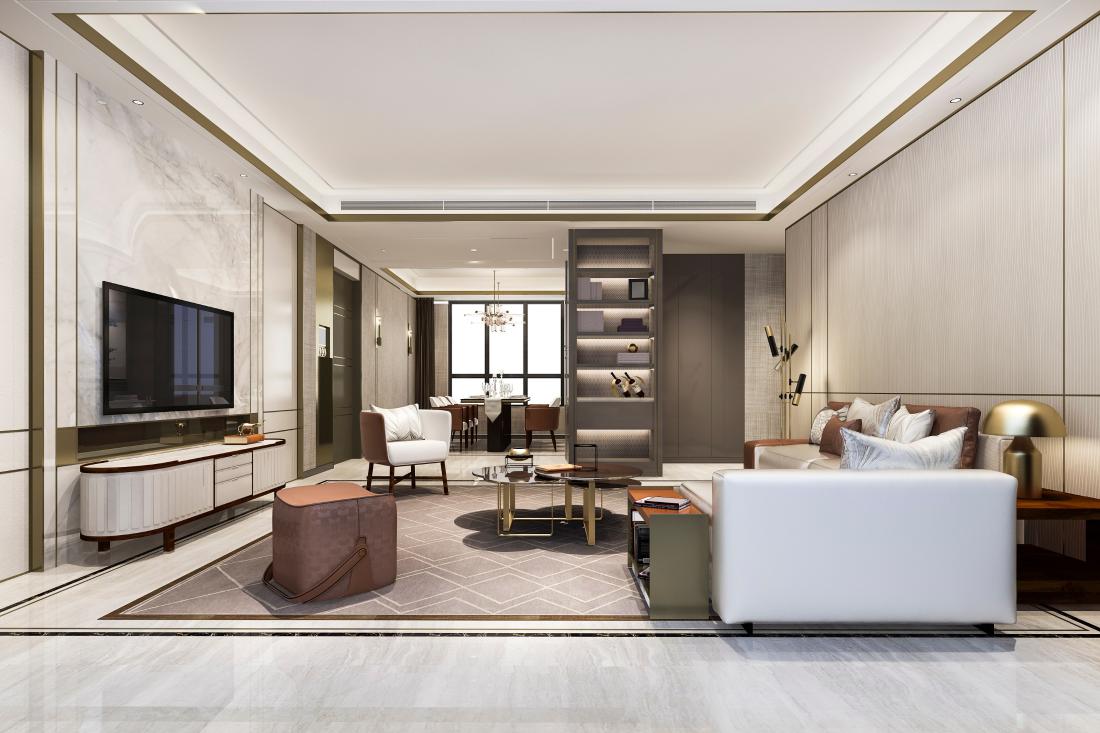
Gypsum Ceiling vs Plaster Ceiling: Which Is Suitable for Your Home?
Choosing the right ceiling material for your Malaysian home can feel overwhelming, especially when both gypsum ceiling and plaster ceiling have their own strengths. Whether you are renovating a terrace house in Petaling Jaya or fitting out a new apartment in Kuala Lumpur, this guide breaks down the key differences so you can decide with confidence.
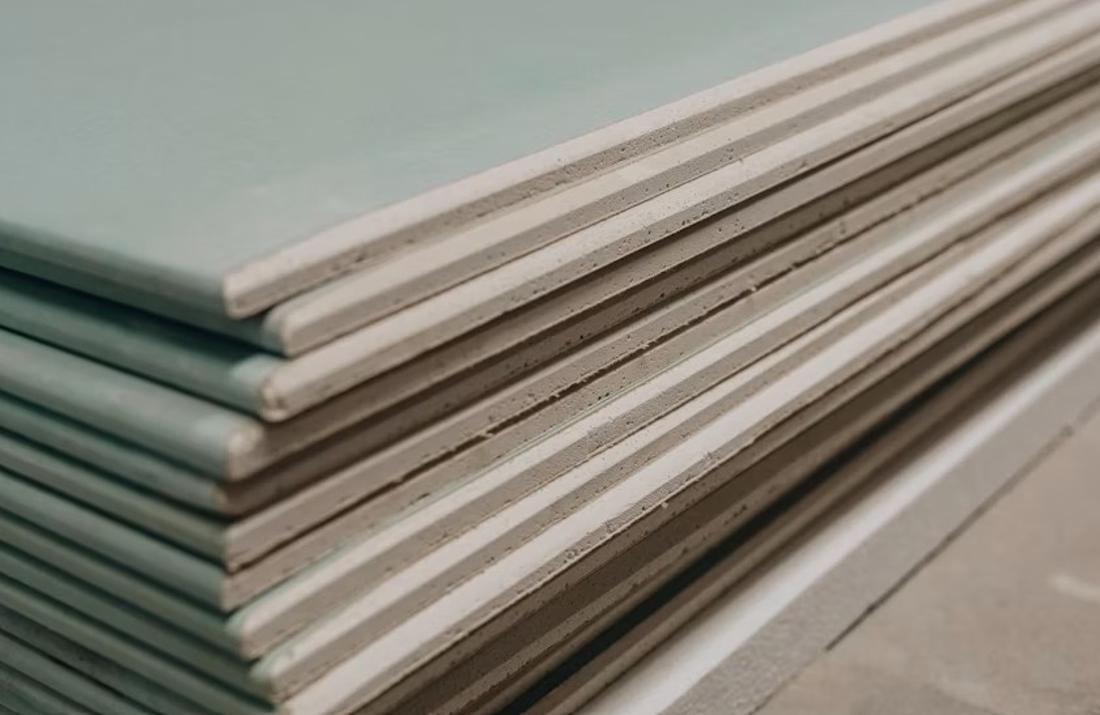
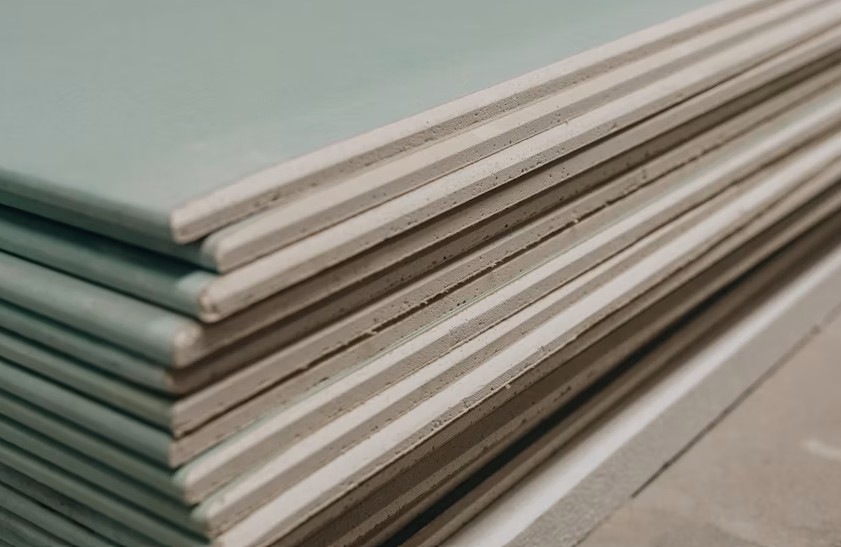
A gypsum ceiling is made from factory-manufactured gypsum boards mounted onto a suspended metal or timber frame. It is currently the most popular ceiling material for Malaysian home projects due to its clean finish and fast installation.
Key Characteristics
Available in 9mm and 12mm thickness, with moisture-resistant and fire-resistant variants
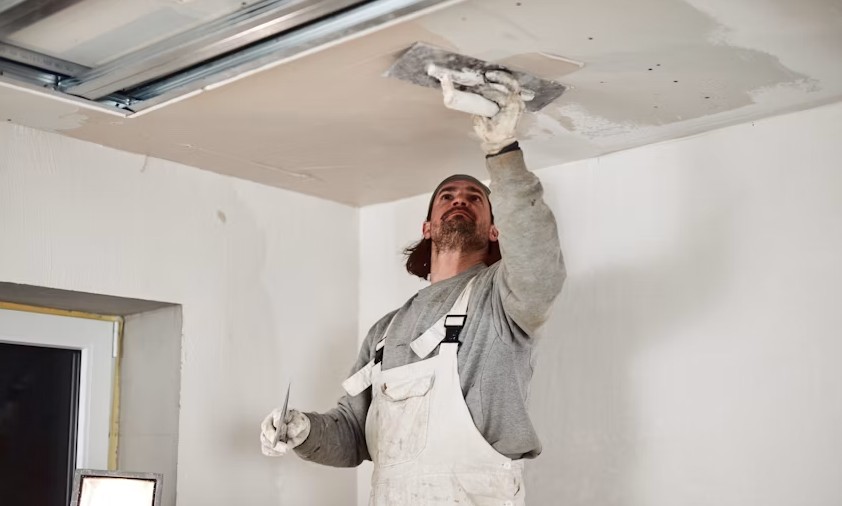
Dry installation process — no curing time required
Lightweight, reducing structural load on the building
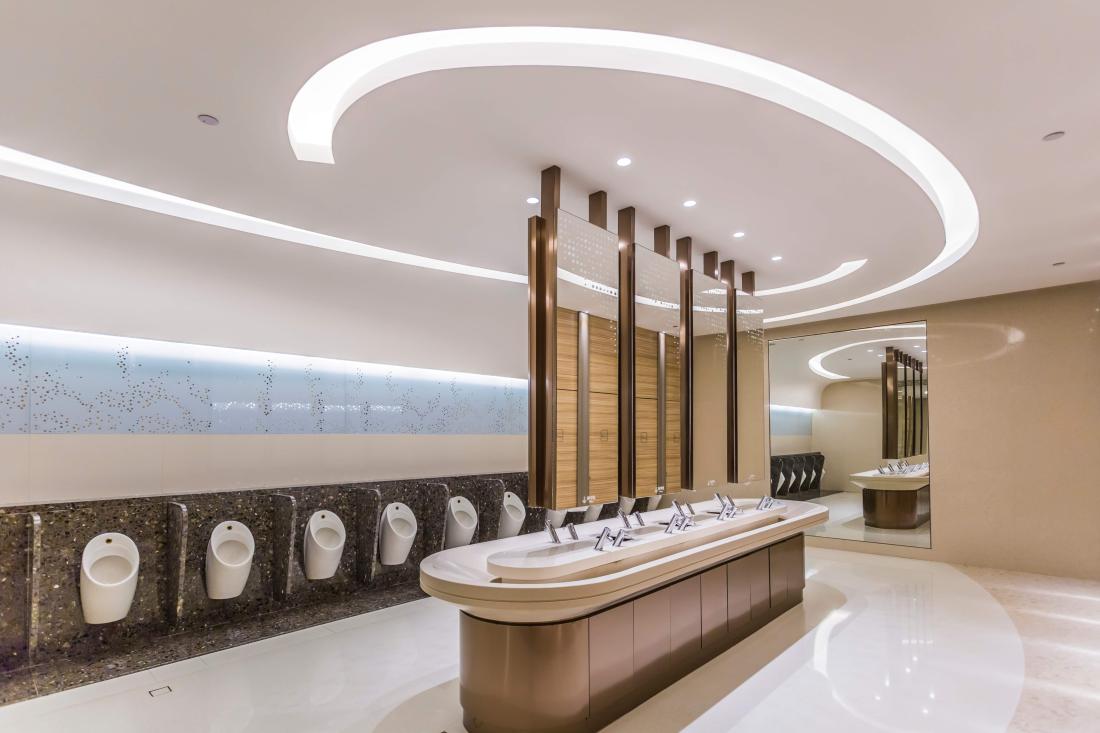
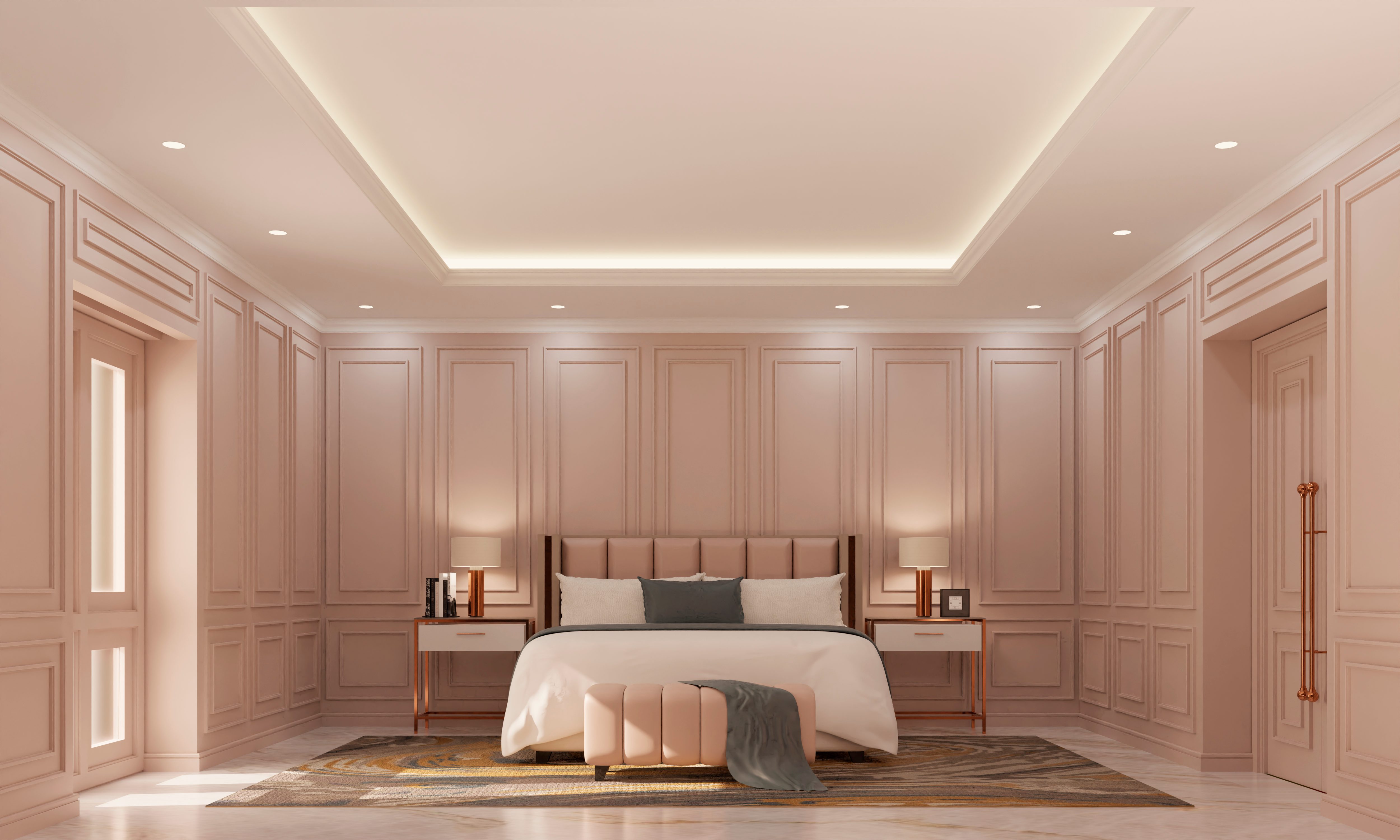
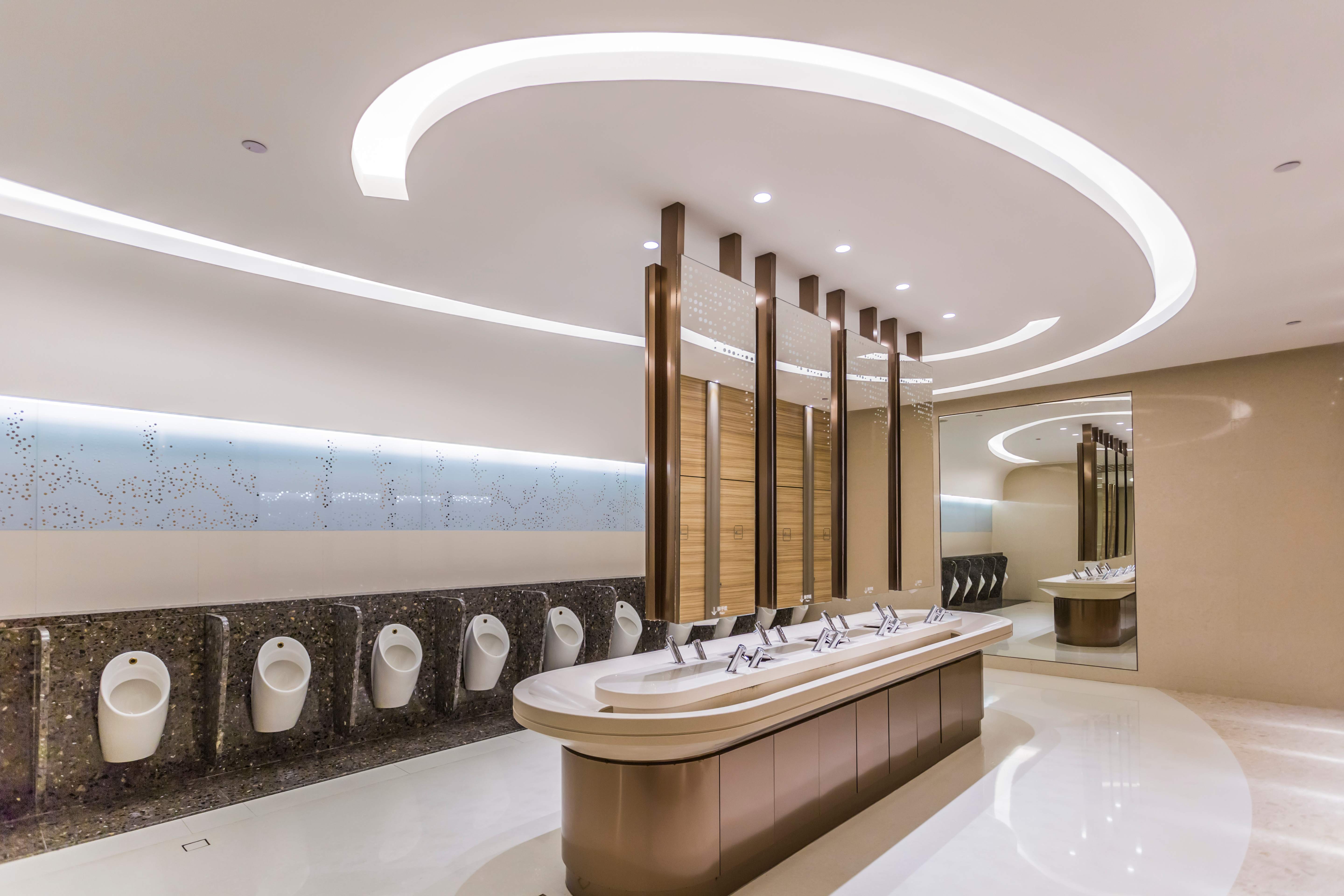
Easily shaped into coves, bulkheads, and recessed lighting trays
Surface is filled, sanded, and painted for a smooth, seamless finish
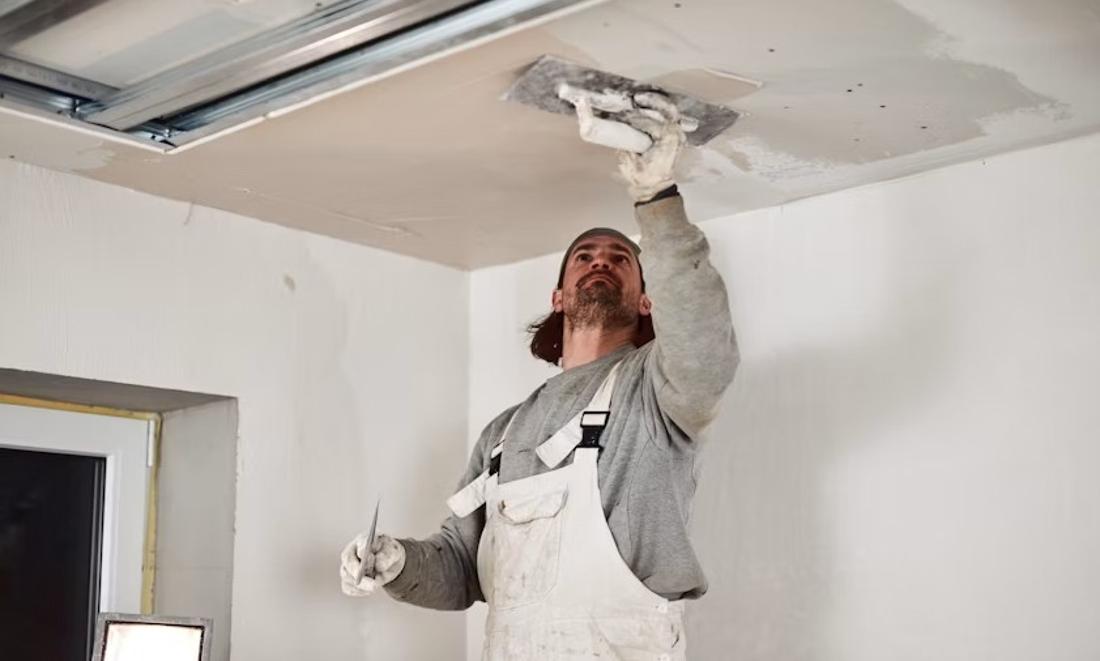
What Is a Plaster Ceiling?
In today's Malaysian market, plaster ceiling most commonly refers to precast Plaster of Paris (POP) decorative elements — cornices, ceiling roses, and moulded panels — adhered onto an existing ceiling surface. Traditional wet plaster applied directly to concrete soffits is rarely used in new builds today.
Key Characteristics
Precast POP pieces are factory-cast and fixed using adhesive or screws
Known for intricate decorative finishes — floral patterns, geometric borders, and ceiling medallions
Dense and rigid but brittle — POP pieces can chip or crack if knocked
Highly susceptible to water damage and moisture absorption
Most commonly used as decorative cornice detailing rather than a full ceiling system
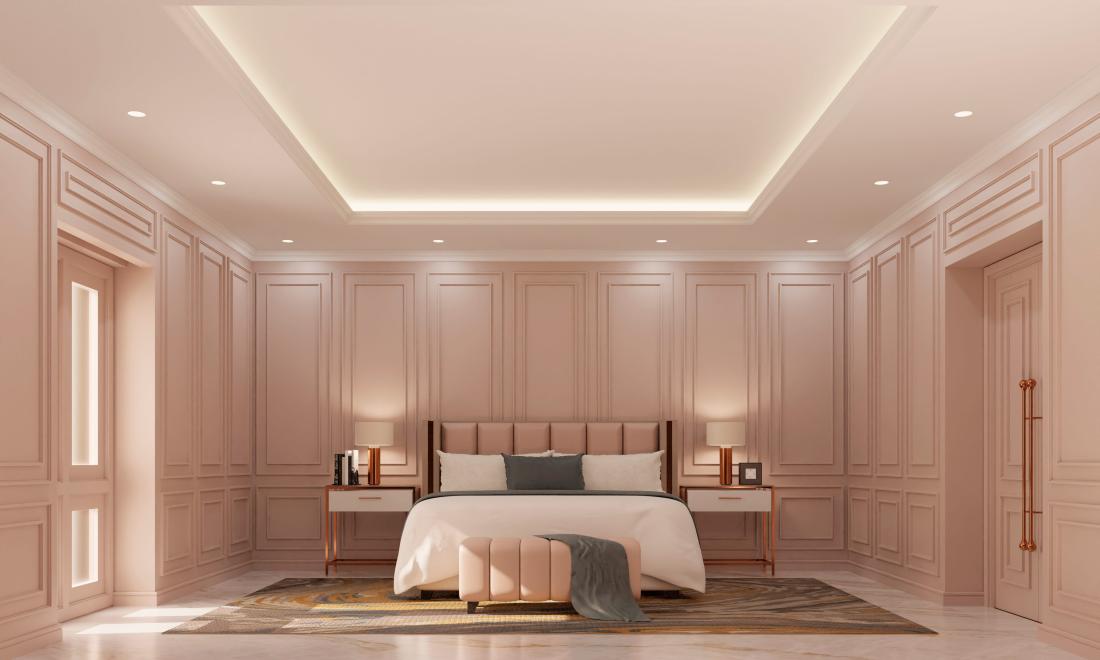
Gypsum Ceiling vs Plaster Ceiling: Key Differences
Cost
Gypsum ceiling installation in Malaysia typically ranges from RM5 to RM15 per square foot depending on design complexity
POP cornice and decorative moulding is priced per linear foot and varies by pattern intricacy
A cost-effective approach: gypsum board as the ceiling base combined with POP cornice detailing along the perimeter
Installation and Timeline
Gypsum ceiling can be installed and paint-ready within a few days
Traditional wet plaster requires multiple coats with drying time between each layer — the process can take weeks
POP decorative installation is faster but requires a skilled installer for precise alignment
Durability in Malaysia's Climate
Gypsum ceiling can last 20 to 30 years when installed correctly and kept dry
Moisture-resistant gypsum boards are recommended for humid spaces such as bathrooms and kitchens
POP decorative pieces are the most fragile option — adhesive failure can cause pieces to detach over time
Both materials will deteriorate if roof leaks or burst pipes are left unaddressed
Aesthetic Options
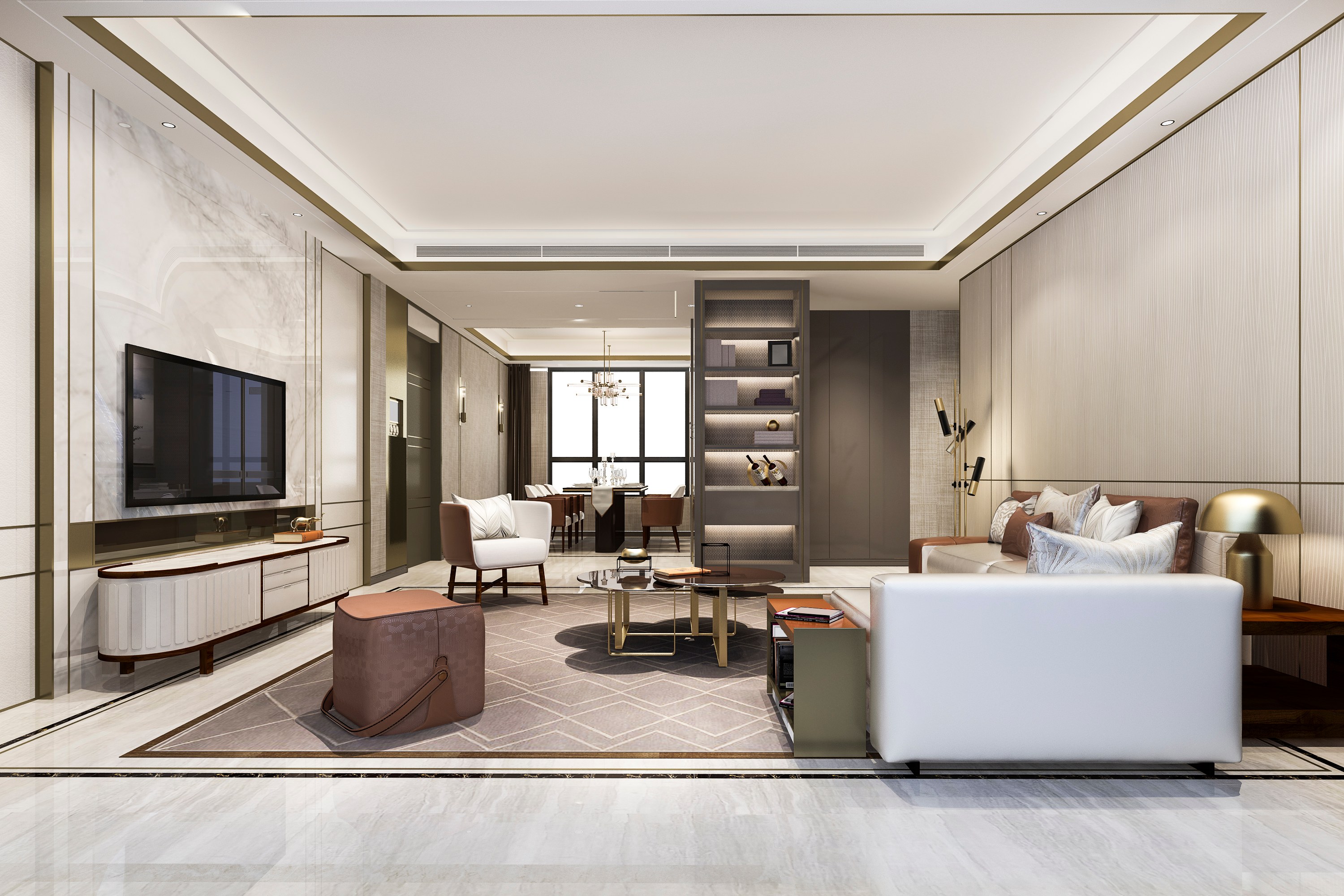
Gypsum ceiling suits modern, minimalist, and contemporary interiors — popular in Malaysian condominiums and landed homes today
Plaster ceiling elements suit classical, heritage, and neo-classical interiors — ideal for bungalow restorations and period properties
Many Malaysian homeowners combine both: gypsum board as the structural base with POP cornice detailing for a layered, premium finish
Which Should You Choose?
Choose gypsum ceiling if:
You want a fast, clean, and cost-effective installation
Your design preference is modern or contemporary
You need to integrate recessed lighting or air conditioning diffusers
Choose plaster ceiling elements if:
You are restoring a heritage or colonial-era property in Malaysia
You prefer ornate, decorative ceiling detailing
You want to add character to an existing gypsum ceiling finish