Bathroom
Walk In Shower vs Bathtub: What's Better for Modern Homes?
Jul 4 2026
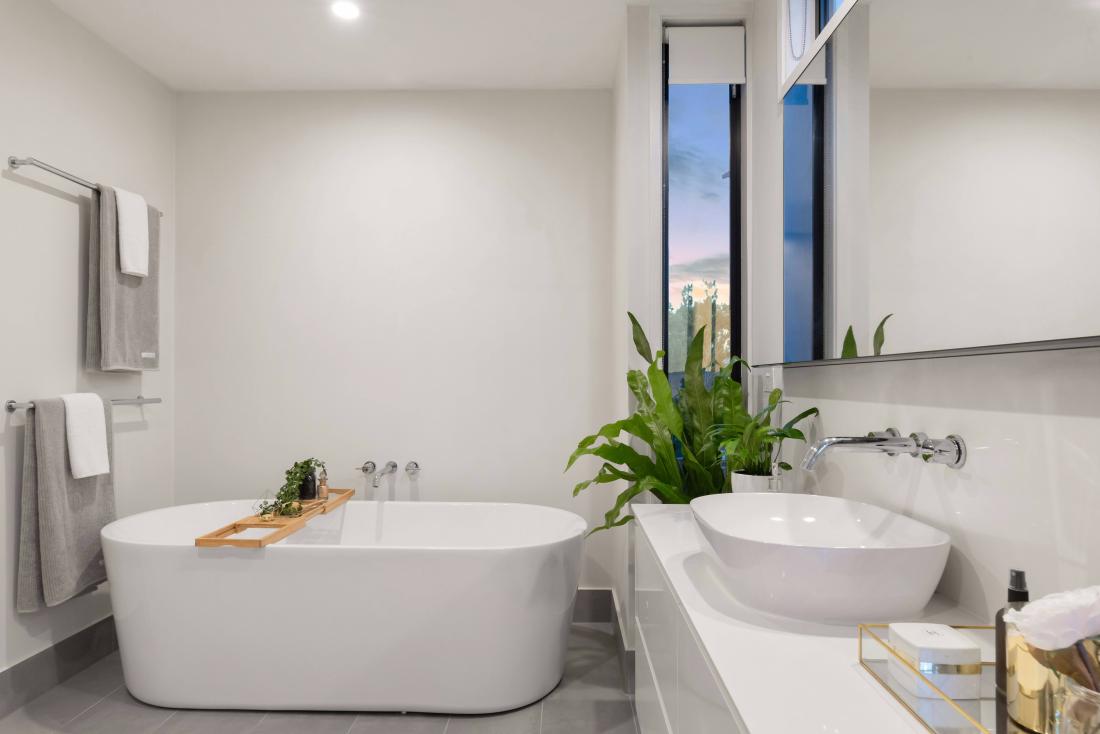
Walk-in shower vs bathtub — which suits your modern home best? Explore space, cost, and lifestyle factors for Malaysian homeowners.
There comes a point in every bathroom renovation where the same question stalls the entire project: do you go with a walk-in shower, or do you keep — or install — a bathtub? It sounds like a simple decision, but it rarely is. The choice touches on how you live, how much space you have, what your home might be worth in ten years, and honestly, what kind of mornings you want to have.
For homeowners in Malaysia, this question comes with its own layer of nuance. Urban apartments in Kuala Lumpur and Penang are getting sleeker but not necessarily bigger. Landed homes in the suburbs often have the space, but renovation budgets still need to stretch wisely. And with lifestyle trends shifting — more people working from home, prioritising self-care routines, and thinking about long-term resale value — the bathroom has quietly become one of the most scrutinised rooms in the house.
This article walks through the real differences between a walk-in shower and a bathtub, covering space, cost, lifestyle fit, and what actually makes sense for a modern home in today's Malaysian market.
Walk-In Shower vs Bathtub: What's Better for Modern Homes?
There comes a point in every bathroom renovation where the same question stalls the entire project: do you go with a walk-in shower, or do you keep — or install — a bathtub? It sounds like a simple decision, but it rarely is. The choice touches on how you live, how much space you have, what your home might be worth in ten years, and honestly, what kind of mornings you want to have.
For homeowners in Malaysia, this question comes with its own layer of nuance. Urban apartments in Kuala Lumpur and Penang are getting sleeker but not necessarily bigger. Landed homes in the suburbs often have the space, but renovation budgets still need to stretch wisely. And with lifestyle trends shifting — more people working from home, prioritising self-care routines, and thinking about long-term resale value — the bathroom has quietly become one of the most scrutinised rooms in the house.
This article walks through the real differences between a walk-in shower and a bathtub, covering space, cost, lifestyle fit, and what actually makes sense for a modern home in today's Malaysian market.
What Counts as a Walk-In Shower vs a Bathtub?
Before diving into comparisons, it helps to be clear about what we're actually talking about, because both options have evolved significantly.
Walk-In Showers
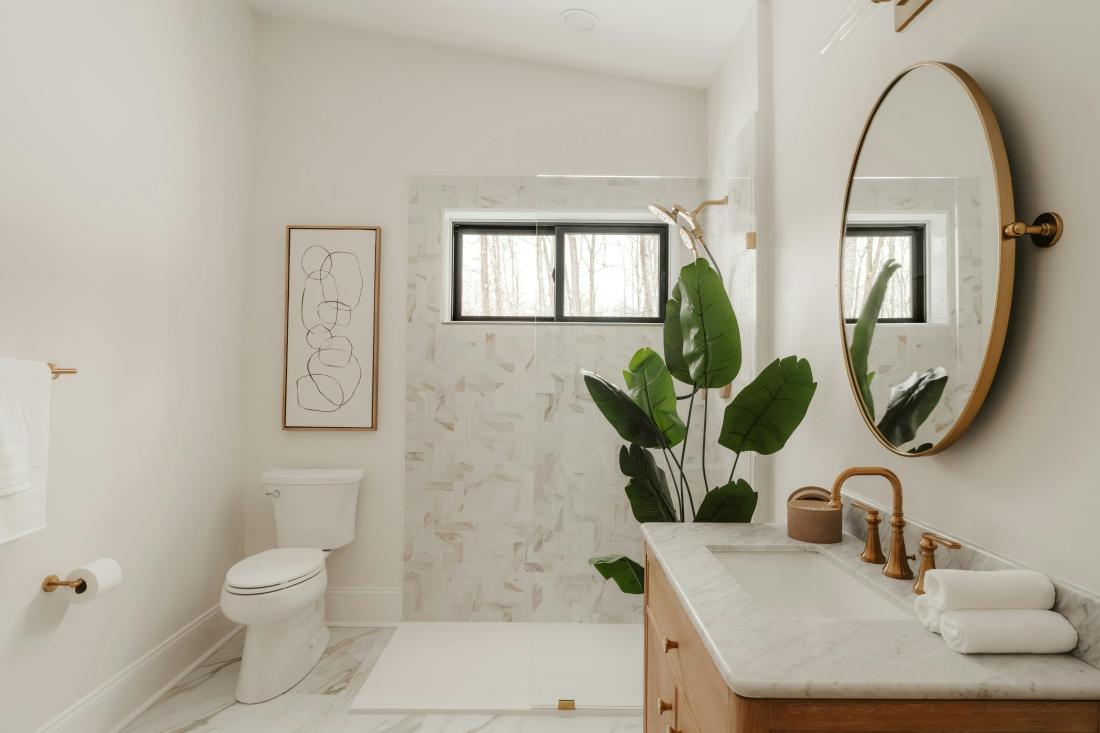
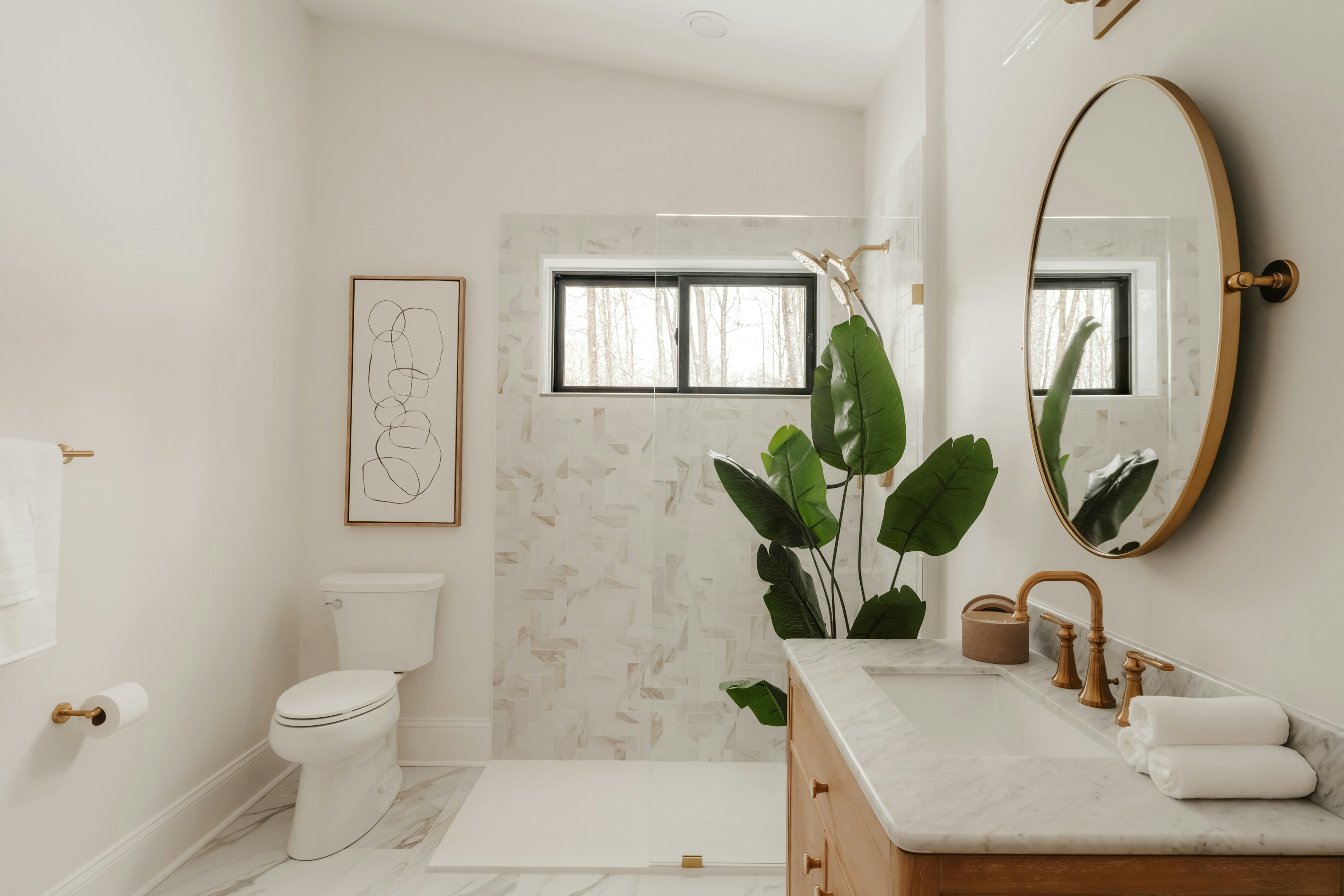
A walk-in shower is an open or enclosed shower space that you step directly into — no tub surround, no climbing over anything. It can be as minimal as a wet room with a drain in the floor, or it can be a frameless glass-enclosed shower with a rainfall head and built-in seating. What defines it is accessibility and openness. You walk in, you shower, you walk out.
Modern walk-in showers in Malaysian homes often incorporate large-format tiles, niche shelving, and thermostatic mixers. High-end versions might include steam functions or multiple body jets, but even mid-range walk-in showers can look polished and feel luxurious if the material choices are right.
Bathtubs
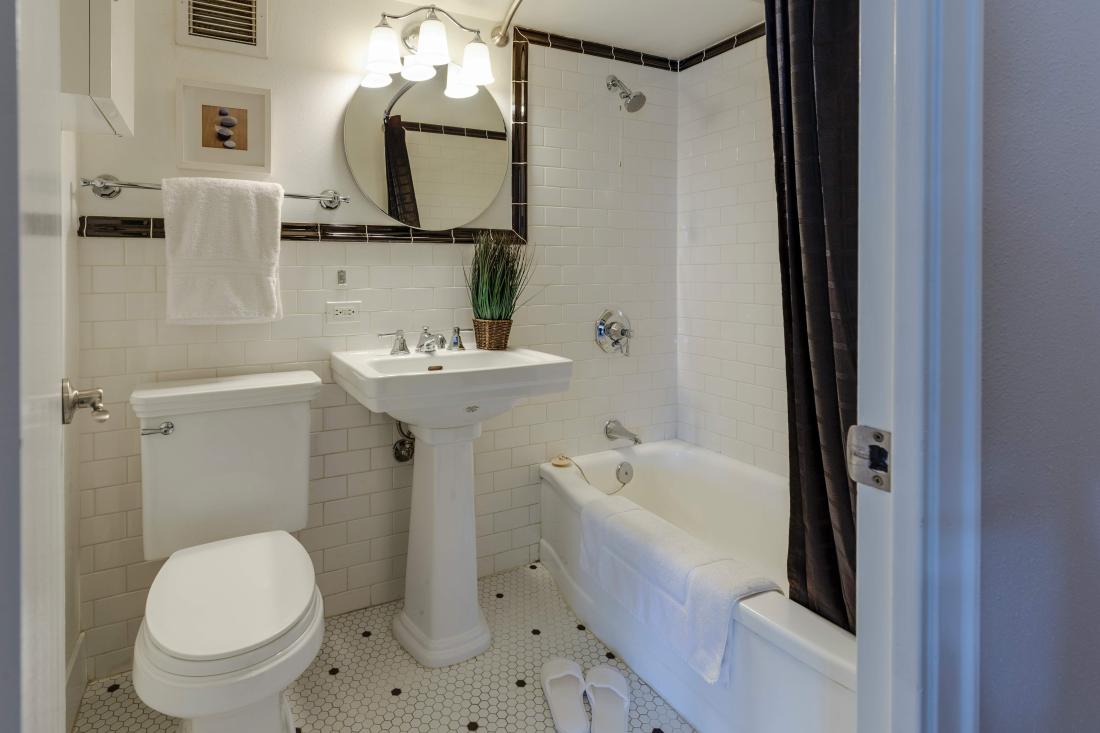
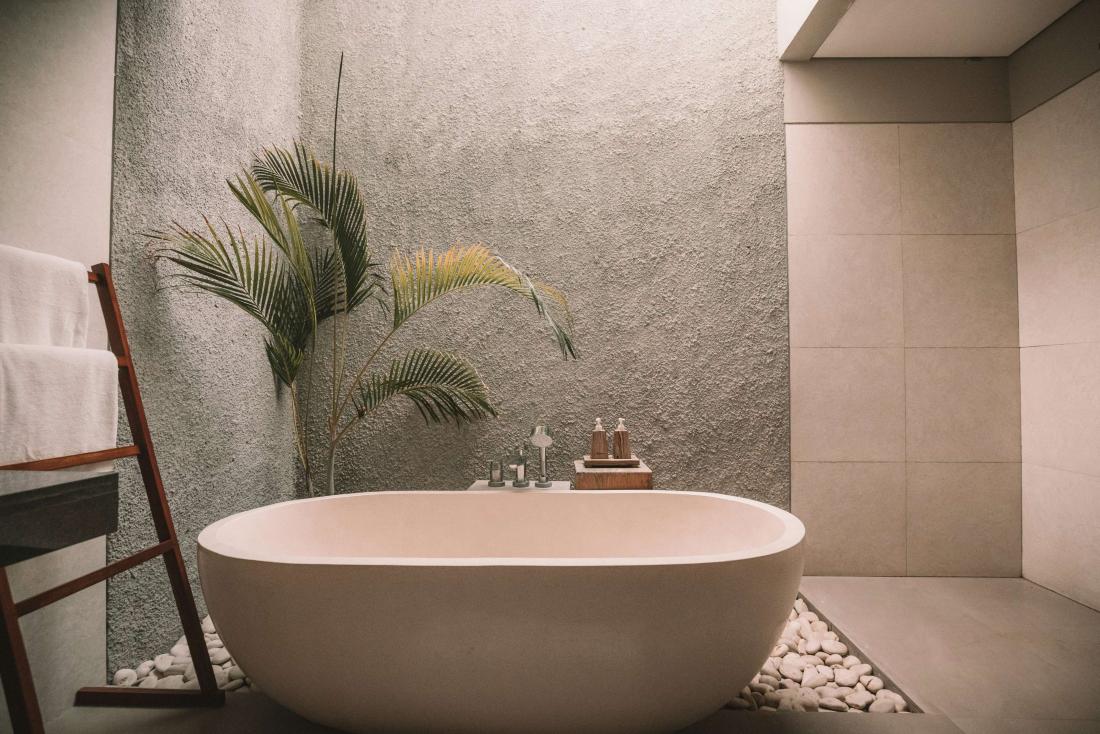
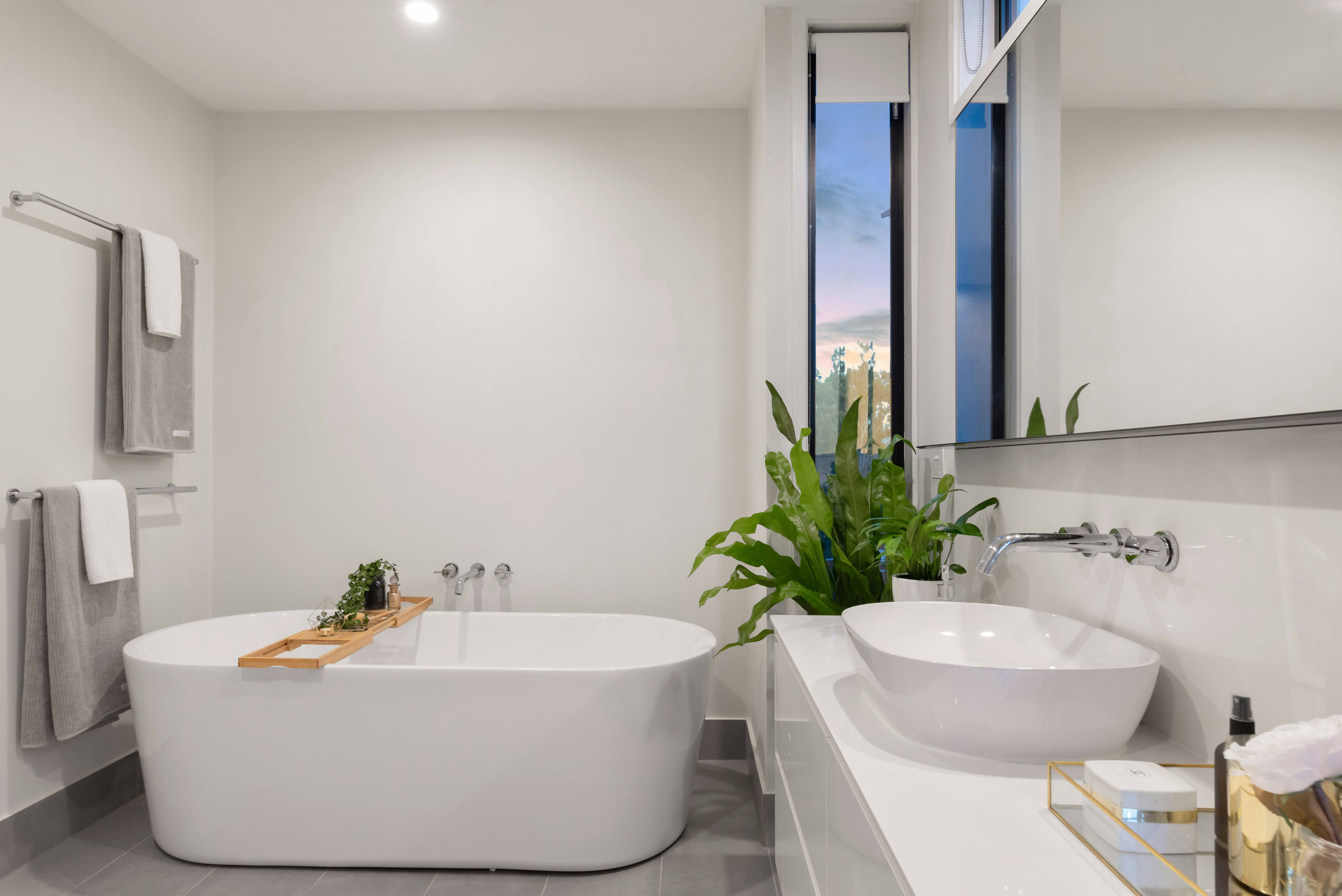
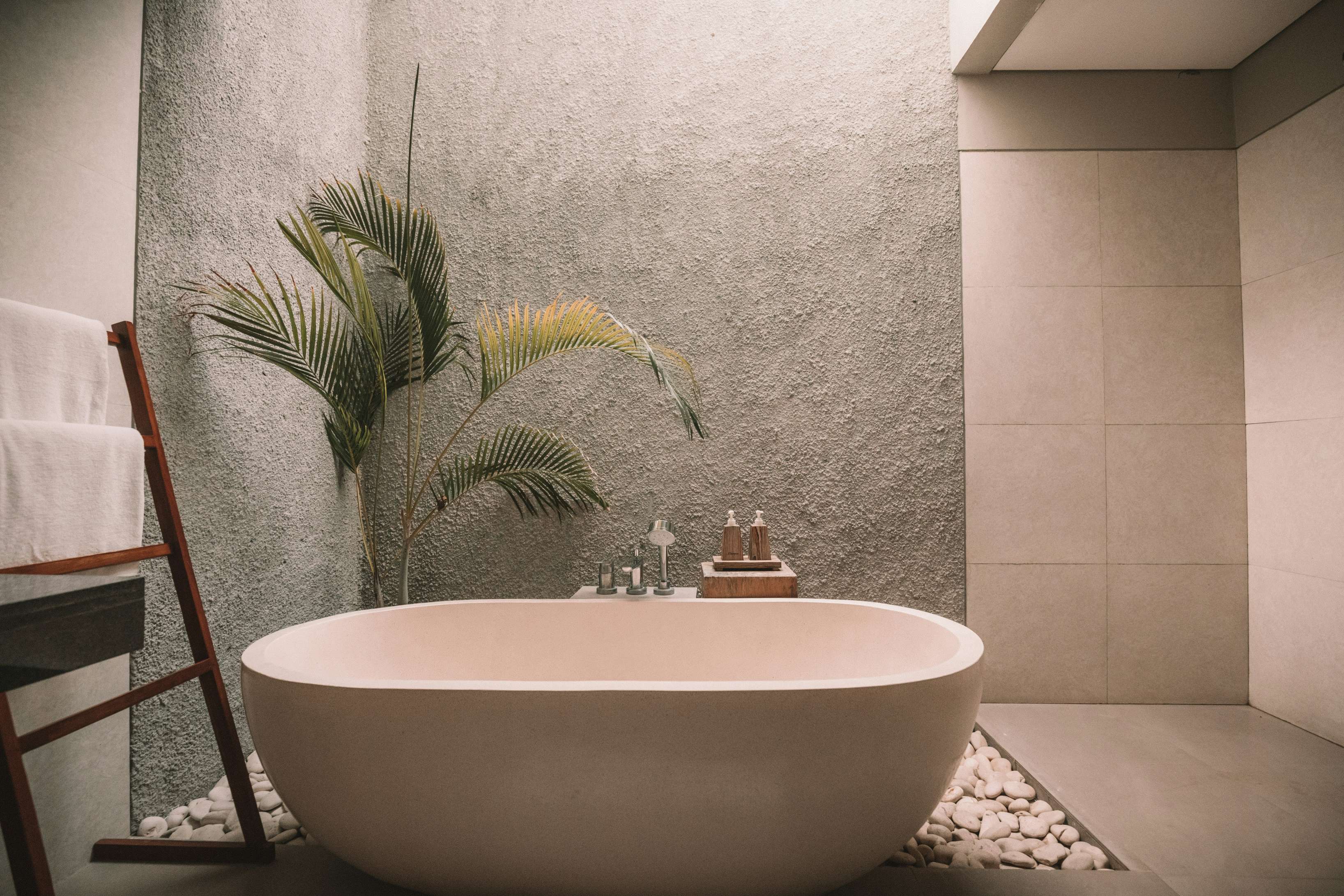
Bathtubs have their own range. The classic alcove tub sits tucked between three walls and often doubles as a shower space. Freestanding tubs — the type you see in design magazines, standing in the middle of the bathroom with a floor-mounted tap — are a different category entirely. Then there are drop-in tubs, built into a deck or platform, which are popular in older Malaysian landed homes.
Each type carries its own space requirements, cost implications, and visual weight in a room. When people debate walk-in shower vs bathtub for a modern home bathroom in Malaysia, they're often comparing a frameless walk-in shower against a freestanding or drop-in tub — because those are the two options most commonly featured in contemporary renovation projects.
Space: Who Wins in a Compact Malaysian Bathroom?
Space is where the walk-in shower wins its most straightforward argument. A functional walk-in shower can fit in as little as 90cm x 90cm, though 120cm x 90cm is far more comfortable. A freestanding bathtub typically needs at least 170cm in length alone — and that's before you account for clearance around it and a tap position that doesn't awkwardly crowd a wall.
In Malaysian apartments — particularly in Klang Valley, where the average condominium bathroom ranges from roughly 4 to 7 square metres — fitting a bathtub without the room feeling cramped is genuinely difficult. You can do it, but it often means sacrificing storage, making the vanity smaller, or ending up with a tub that nobody really uses comfortably because the surrounding space is too tight.
Walk-in showers, on the other hand, work with the geometry of smaller bathrooms rather than against it. A well-designed walk-in shower in a compact bathroom creates a sense of visual openness — especially with frameless glass and large-format floor tiles that run continuously through the wet zone. That optical expansion is something bathtubs simply can't offer in a tight space.
For larger bathrooms in landed properties or semi-Ds, the equation shifts. When you have a master bathroom of 10 square metres or more, a freestanding tub becomes a genuine design centrepiece rather than a spatial liability. In those situations, the bathtub stops being just a functional fixture and becomes part of the room's identity.
Cost: What Does Each Option Really Cost in Malaysia?
Renovation costs vary by material, brand, contractor, and location — but broadly speaking, here's how the two options compare in the Malaysian market.
Walk-In Shower Costs
A basic walk-in shower installation in Malaysia — including waterproofing, tiles, a shower screen, and a mixer — can start from around RM3,000 to RM5,000 for straightforward work. Mid-range builds with frameless glass, nicer tiles, and a quality rainfall showerhead typically land between RM6,000 and RM12,000. High-end versions with custom stonework, imported fittings, or steam features can go much higher.
Bathtub Costs
A basic alcove bathtub with standard taps might cost RM1,500 to RM4,000 for the unit alone, but by the time you factor in structural reinforcement (bathtubs filled with water are heavy), waterproofing, tiling around the surround, and plumbing adjustments, total costs can quickly reach RM5,000 to RM10,000 or more. Freestanding tubs are often more expensive at the product level — premium freestanding tubs from brands available in Malaysia range from RM3,000 to well over RM15,000 — plus installation labour.
Long-Term Running Costs
A bathtub uses significantly more water than a shower. A full bath typically uses 150 to 200 litres of water. A standard shower uses around 60 to 80 litres over ten minutes. In a country where water tariffs are subsidised but still a running cost, and where environmental consciousness is increasingly part of renovation decision-making, the shower wins on efficiency.
Lifestyle Fit: Which One Actually Gets Used?
This is the question that renovation advisors often say matters most — not which option looks better in a design mood board, but which one you'll actually use consistently five years after moving in.
Walk-in showers are used daily. They're fast, accessible, and practical for every age group. In Malaysian households with children, the walk-in shower is often non-negotiable for its ease — you can bathe a child in it, clean yourself after a gym session, or quickly freshen up before heading out for dinner. There's no filling time, no cooling water, no towel gymnastics over the rim of a tub.
Bathtubs, on the other hand, are aspirational fixtures for many buyers — they look incredible in a listing photo, and the idea of soaking in a bath on a Sunday evening is genuinely appealing. The reality, though, is that many Malaysian households with bathtubs admit they rarely use them. Soaking in a bath requires time, warm water maintained at the right temperature, and a certain mindset. For people with demanding work schedules, young children, or small households, the bathtub can quietly become expensive storage for cleaning supplies.
That said, for families with young children who need regular baths (children often respond better to baths than showers), or for individuals who genuinely prioritise bath soaks as part of their wellness routine, a bathtub earns its place. The lifestyle match has to be honest, not aspirational.
Resale Value: What Do Malaysian Buyers Actually Want?
Property agents and interior designers in Malaysia will generally tell you that a master bathroom with a bathtub photographs better and appeals to a wider pool of buyers — particularly in the upper-mid to luxury segment. A freestanding tub in a well-lit master bathroom reads as a premium feature, and in a competitive property market, that visual appeal has real value.
However, this generalisation is narrowing. As modern home bathroom preferences in Malaysia shift toward sleek, minimal designs — partly influenced by Japanese and Scandinavian aesthetics that have taken hold among younger buyers — frameless walk-in showers are increasingly seen as equally premium, if not more so.
For condominiums in the RM500,000 to RM1.5 million range, having at least one bathtub in the master bathroom is still considered a plus by many agents. For properties in the affordable or mid-market range below RM500,000, a large, well-executed walk-in shower often makes a stronger impression than a bathtub crammed into a space that can't really accommodate it.
The honest answer is that resale value depends heavily on your property type, your target buyer profile, and how well the chosen option is executed. A poorly installed bathtub in a space that clearly doesn't fit it does not help resale value. A beautiful walk-in shower in a compact master bathroom absolutely does.
Accessibility and Future-Proofing
One dimension of this decision that doesn't get enough attention in renovation conversations is accessibility. Walk-in showers — particularly wet rooms or low-threshold designs — are significantly more accessible for elderly family members or anyone with mobility limitations. In Malaysian multigenerational households, where it's common for grandparents to live with or visit regularly, a shower with a low threshold, grab bars, and a fold-down seat is a thoughtful and practical choice.
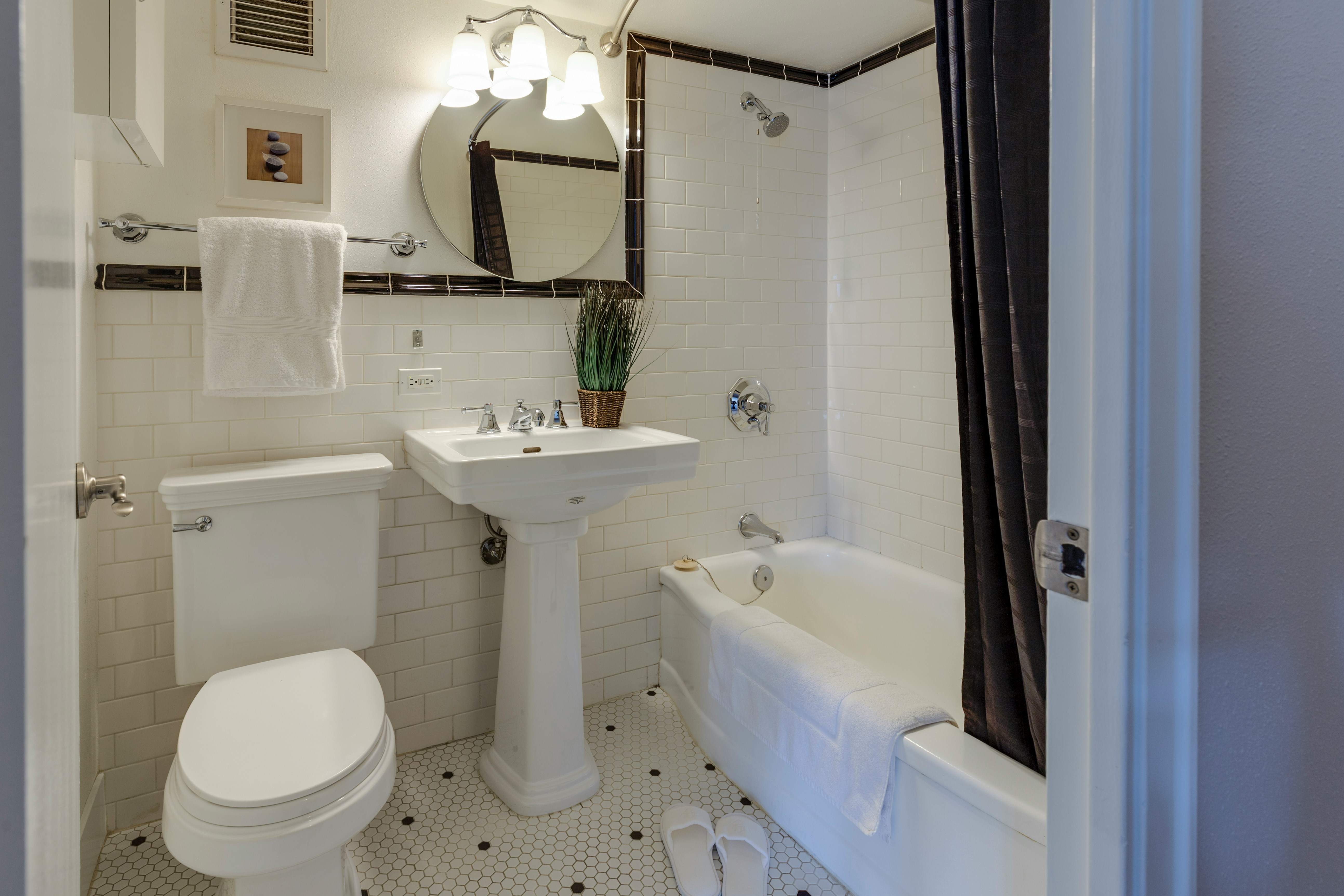
Bathtubs, by contrast, require stepping over a rim that can be 40 to 55cm high. For older adults or anyone recovering from surgery or injury, this becomes a real safety concern. The bathtub that seemed like a luxury upgrade at 35 can become a hazard at 70.
Future-proofing your bathroom for different life stages is a quiet but significant argument in favour of the walk-in shower for most Malaysian homeowners.
Can You Have Both?
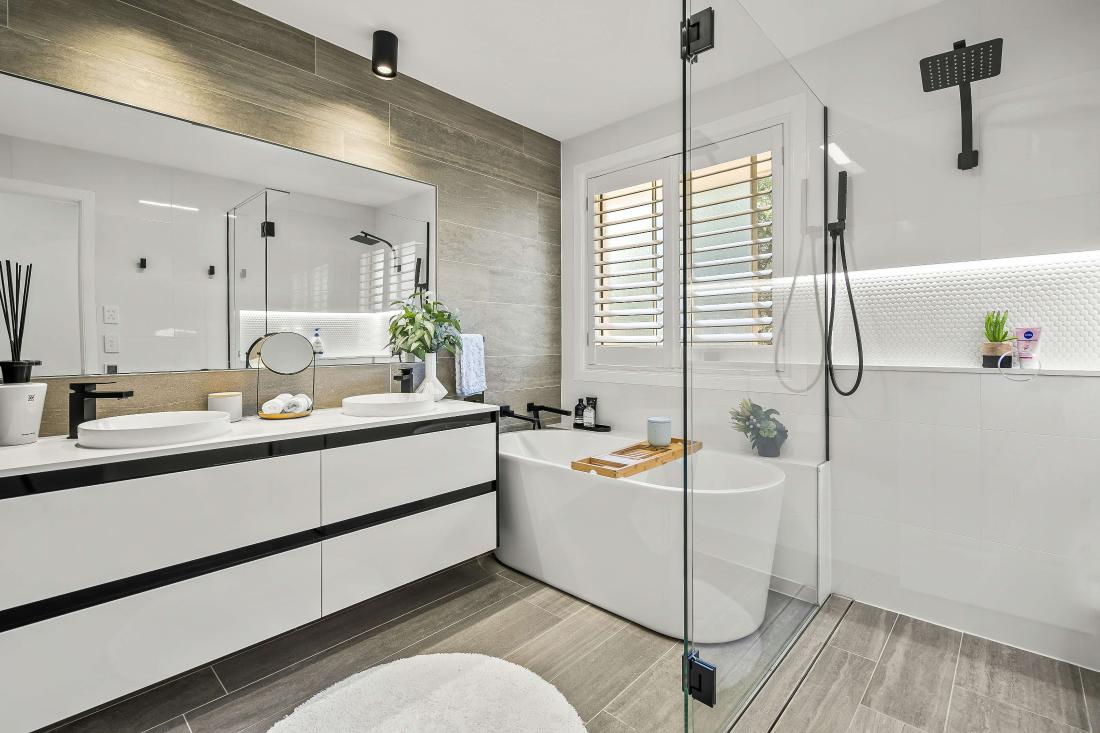
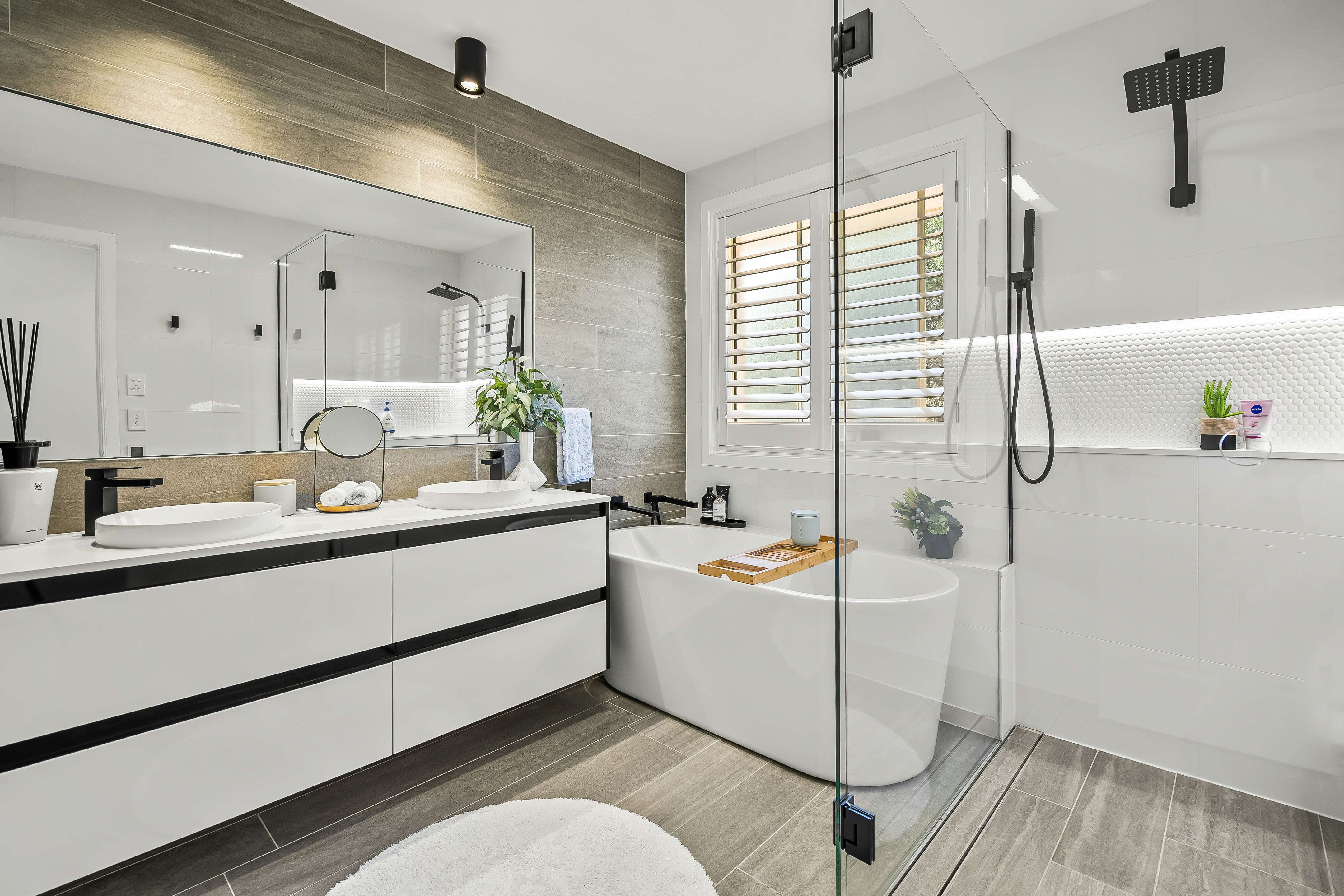
es — and in bathrooms large enough to accommodate it, having both is often the best answer to the walk-in shower vs bathtub debate. A separate walk-in shower and a freestanding bathtub in a spacious master bathroom gives you daily practicality and occasional indulgence without compromise.
In Malaysian renovation circles, this combination is increasingly popular in landed homes undergoing full master bathroom redesigns. The key is making sure the bathtub is positioned as a feature element — near a window, in a bay area, or on a feature wall — rather than as an afterthought tucked into a corner.
If your bathroom is under 8 square metres, however, trying to fit both tends to produce a result that feels cluttered rather than luxurious. In that case, committing fully to one option and executing it beautifully is the smarter design choice.
Making the Right Choice for Your Home
Here's a simple way to think about it. If your bathroom is compact, your household is busy, accessibility matters now or might matter soon, and you want a low-maintenance, everyday-functional bathroom — go with a well-designed walk-in shower. You'll use it every day, it'll look clean and modern, and you won't regret it.
If you have the space, the budget, and a genuine personal relationship with bath soaking — or if you're designing a luxury master bathroom that needs to appeal to premium buyers — a bathtub makes sense, especially a freestanding one treated as a design focal point.
And if you have the square footage and the renovation budget, do both. Just make sure the layout gives each element room to breathe.