Bathroom
Wet Bathroom vs Dry Bathroom: Which Is Better for Your Home?
Oct 21 2026
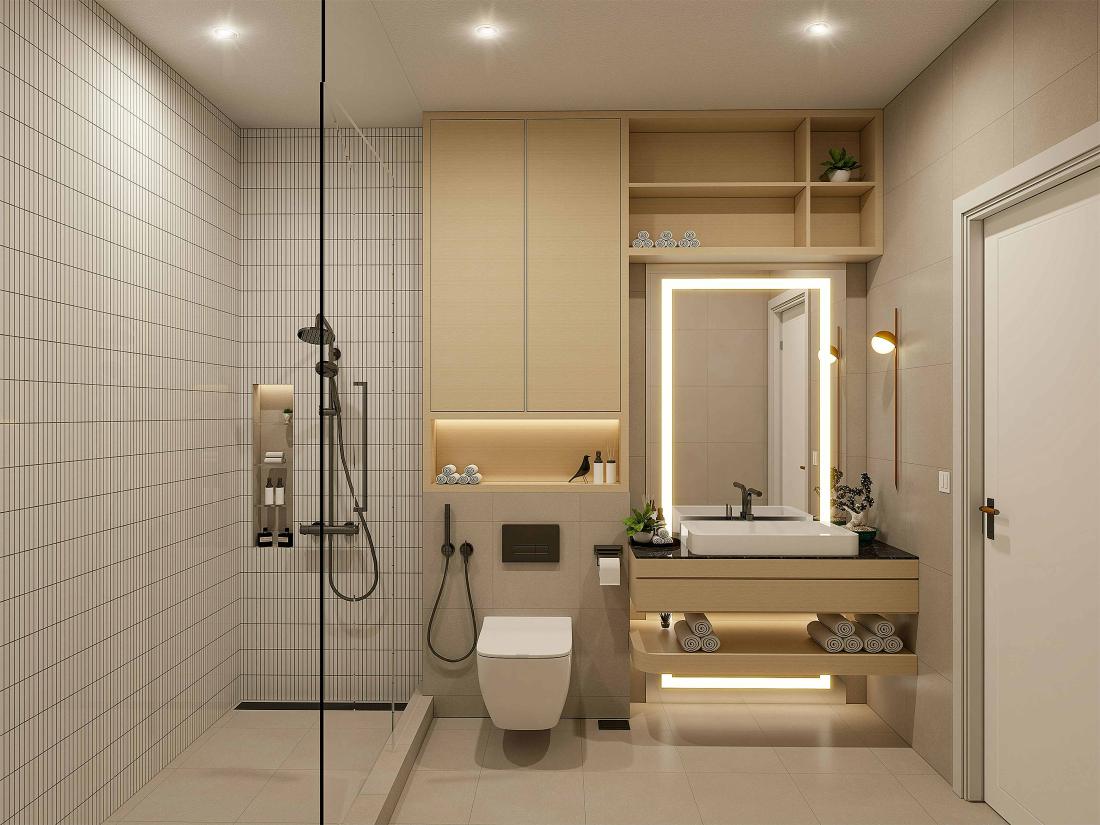
Choosing between a wet and dry bathroom layout can shape how you use your space every single day — here's what Malaysian homeowners need to know.
If you have ever renovated a bathroom or browsed through interior design magazines, you have probably come across the terms "wet bathroom" and "dry bathroom." In Malaysia, where humidity is high year-round and bathroom design trends are rapidly evolving, this distinction matters more than most homeowners realize. The layout you choose will affect not just how the space looks, but how it functions, how safe it is, and how easy it is to maintain over the years.
If you have ever renovated a bathroom or browsed through interior design magazines, you have probably come across the terms "wet bathroom" and "dry bathroom." In Malaysia, where humidity is high year-round and bathroom design trends are rapidly evolving, this distinction matters more than most homeowners realize. The layout you choose will affect not just how the space looks, but how it functions, how safe it is, and how easy it is to maintain over the years.
What Is a Wet Bathroom vs Dry Bathroom?
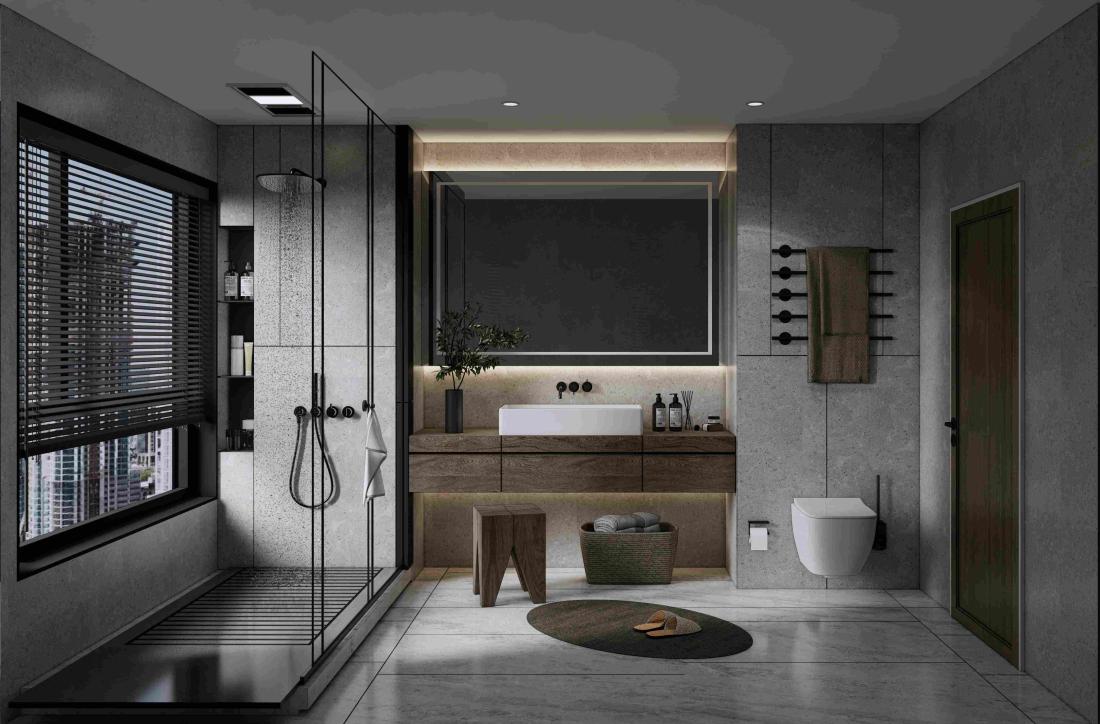
A wet bathroom is the traditional open-plan design where the shower area, toilet, and sink all share the same floor space without any physical barrier between them. Water splashes freely, the entire floor gets wet during a shower, and a floor drain handles everything. This setup is extremely common in Malaysian homes, from older terrace houses to many modern condominiums.
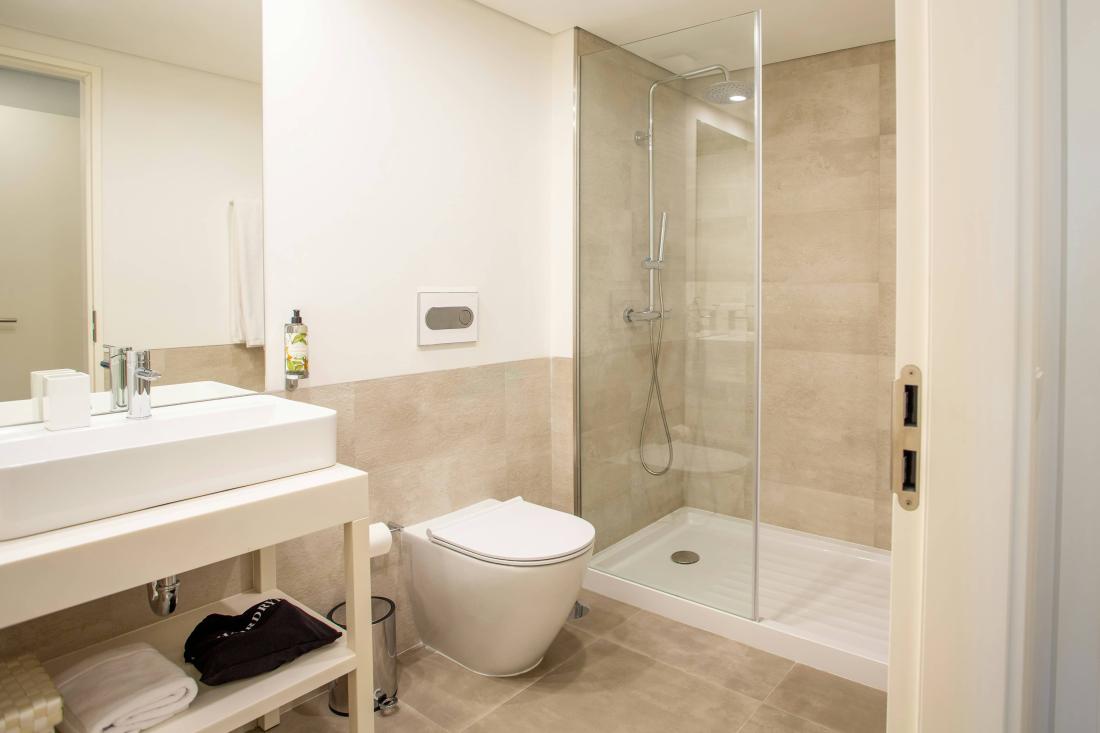
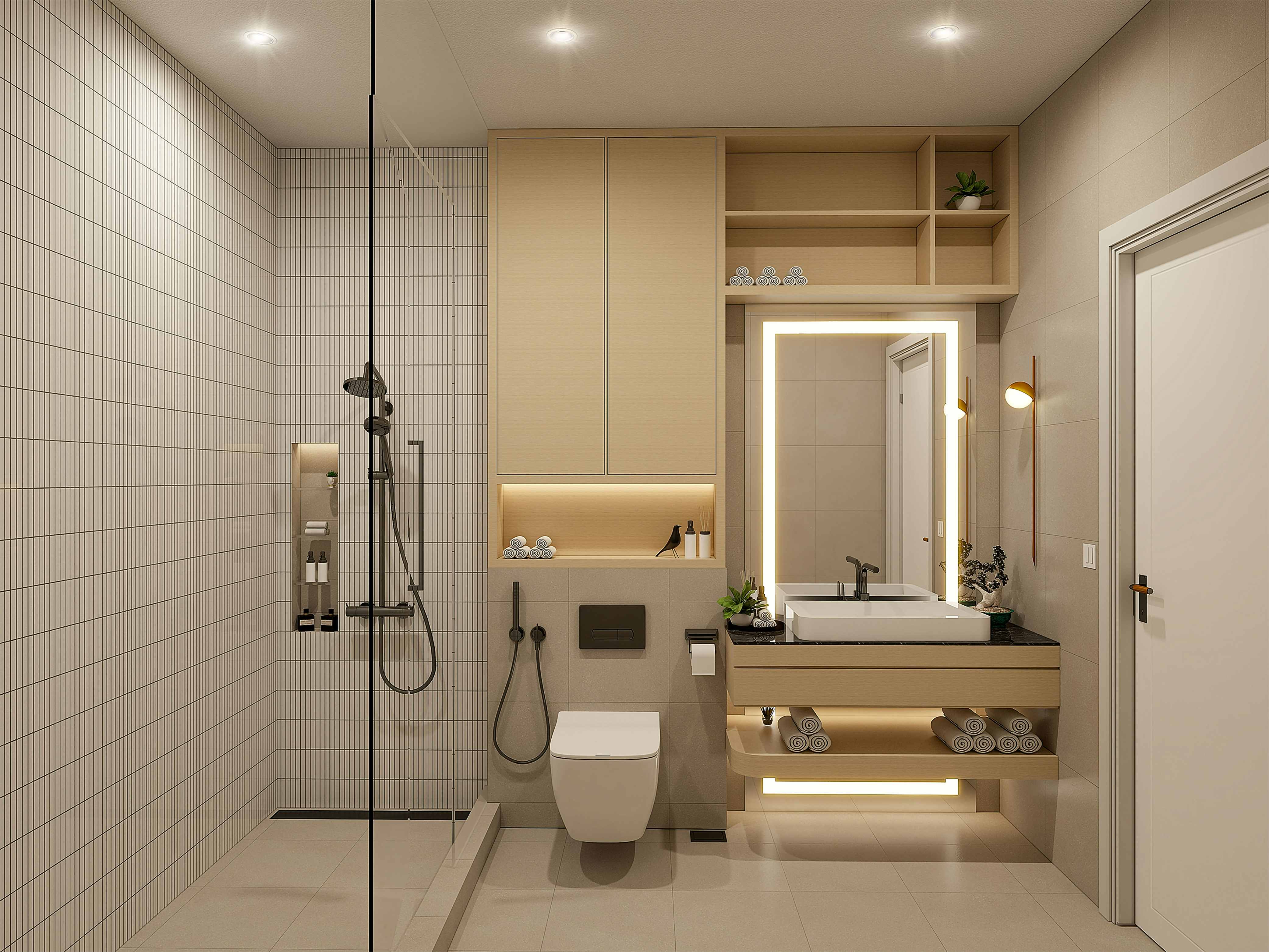
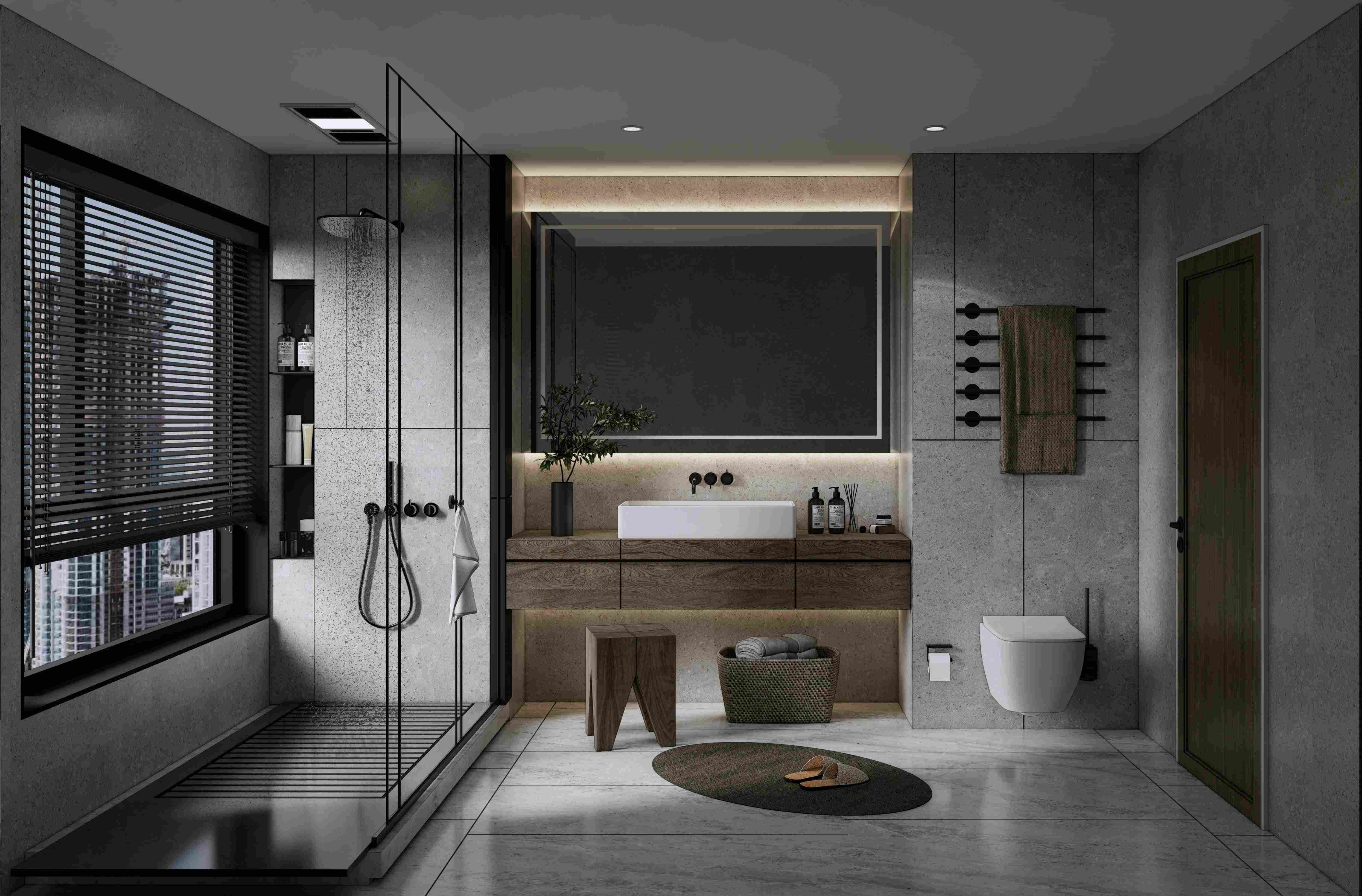
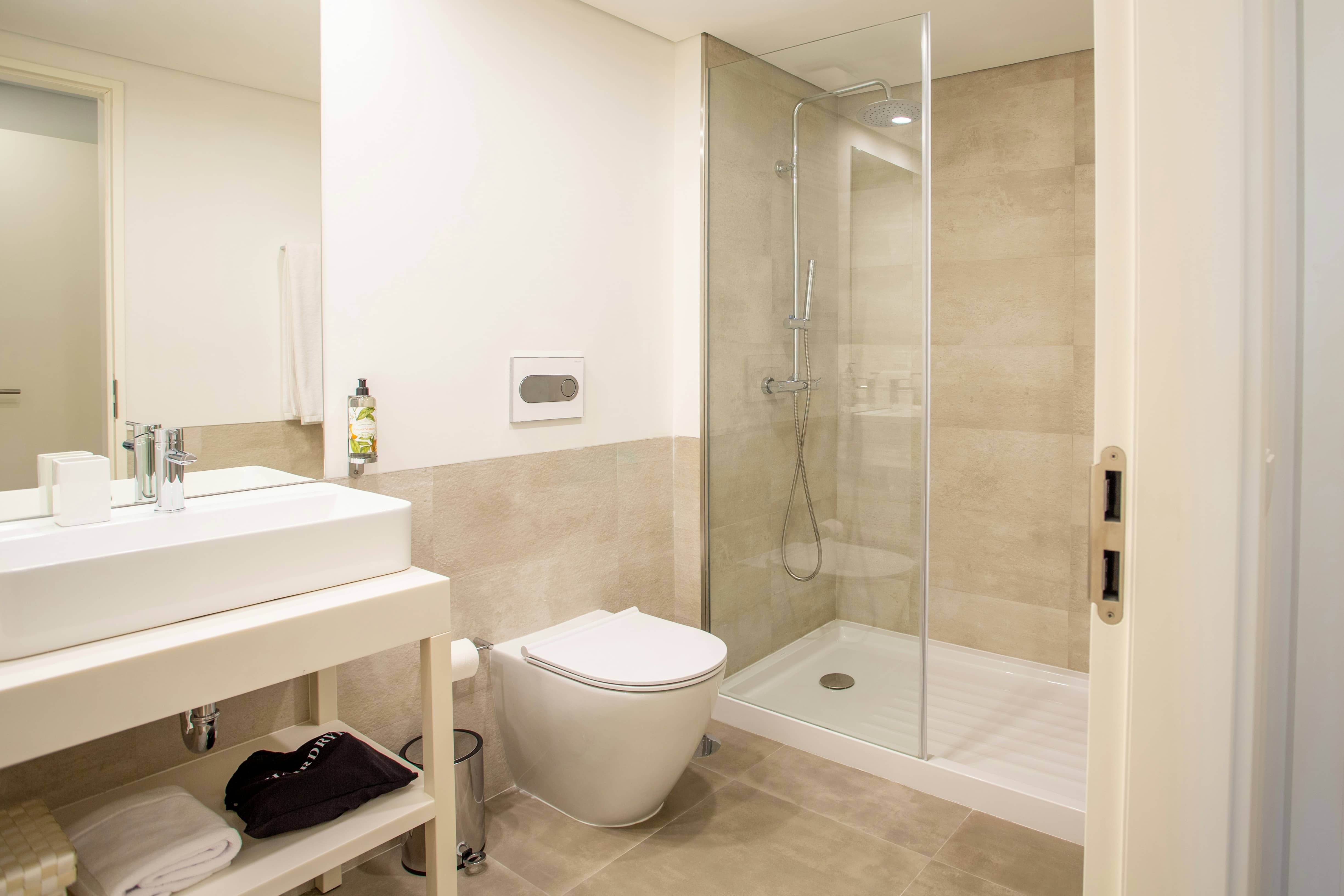
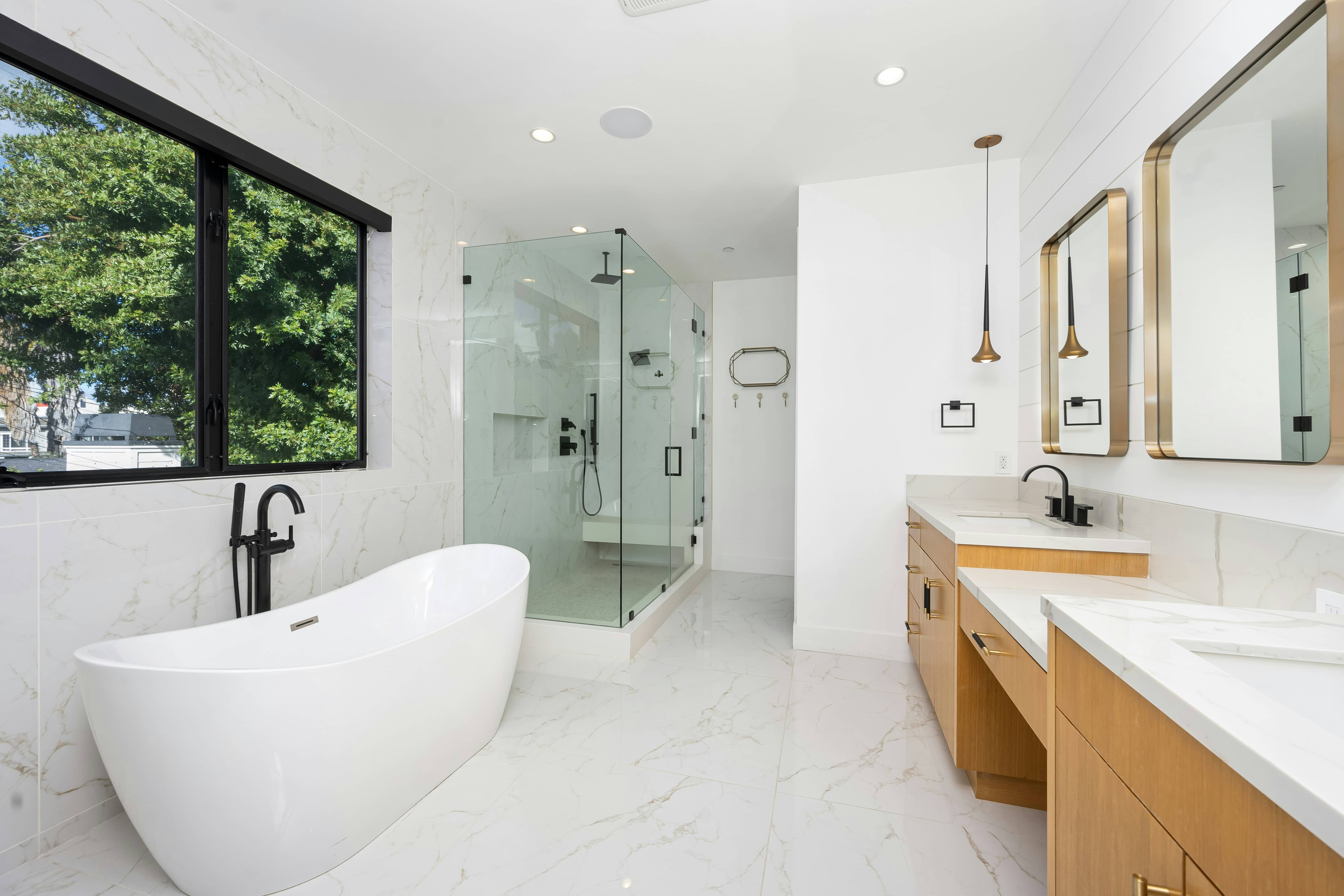
A dry bathroom, on the other hand, separates the shower or bathing zone from the rest of the toilet area. This can be achieved with a glass panel, a half-wall, or a shower cubicle that keeps the toilet and vanity area dry even when someone is showering. The concept comes from the bathroom designs common in Europe and parts of East Asia, and it has been gaining significant traction among Malaysian homeowners, particularly those renovating their homes or building new ones.
At a Glance: Key Differences
Wet Bathroom
Open-plan layout where the whole floor gets wet. Common in Malaysian terraces and apartments. Lower cost, easier to install, and simple to clean with a mop or bucket.
Dry Bathroom
Separated shower zone using glass panels or cubicles. Toilet and vanity stay dry. More hygienic, safer, and increasingly popular in new developments and renovations.
Wet Bathroom vs Dry Bathroom for Malaysian Homes
Climate is one of the first things to consider when comparing wet bathroom and dry bathroom designs in Malaysia. Because we live in a tropical country with high humidity throughout the year, wet bathrooms tend to feel damp for longer after a shower. This can contribute to mould growth on walls and ceilings, as well as a persistent musty smell if ventilation is not adequate.
Dry bathrooms address this problem naturally. When the shower area is contained, moisture stays where it belongs. The rest of the bathroom — the toilet, the vanity counter, your toiletries and towels — remains dry and fresher for longer. For families with young children or elderly parents, this also reduces the risk of slipping on a wet floor, which is a genuine safety concern in any home.
Space and Practical Considerations
One of the most common concerns homeowners raise is whether their bathroom is large enough for a dry layout. Honestly, this is a valid point. Converting to a dry bathroom does require some planning around the placement of a shower screen or cubicle. For bathrooms below 5 by 7 feet, it can feel tight. However, with a well-designed frameless glass panel and smart use of floor space, even a compact bathroom can be converted without feeling cramped. Many renovation specialists in Malaysia have developed practical solutions for smaller spaces precisely because demand for dry bathrooms has grown so quickly.
Wet bathrooms, by contrast, are inherently more flexible for small spaces. There are no panels to navigate around, and cleaning is straightforward — a bucket of water and a floor brush does the job. For rental properties or budget builds, this simplicity often makes the wet bathroom the more practical choice.
Maintenance, Hygiene, and Long-Term Costs
When it comes to long-term upkeep, dry bathrooms generally come out ahead. Because the toilet area stays dry, there is less opportunity for bacteria and mould to thrive on the floor and lower walls. Grout lines in a dry area are far easier to keep clean. Glass shower panels, while requiring regular wiping to prevent water marks, are far more hygienic than a fully wet floor that absorbs grime over time.
Wet bathrooms are cheaper to build and renovate in the first instance, but they can incur higher maintenance costs down the road. Waterproofing the entire floor and walls is essential and must be done properly, or you risk water seeping through to the unit below — a situation that has caused many disputes in Malaysian high-rise buildings. Tiles in a perpetually wet zone also tend to degrade more quickly, particularly at the grout lines.
From a renovation cost perspective, adding a frameless glass panel for a dry bathroom setup in Malaysia typically costs between RM800 and RM2,500 depending on glass quality, thickness, and the complexity of the fitting. For most homeowners, this is a reasonable investment given the improvements in safety and cleanliness over time.
Resale Value and Buyer Preferences
The real estate market in Malaysia has shifted noticeably toward dry bathroom preferences, especially among younger buyers. New condominiums and landed property developments in the Klang Valley, Penang, and Johor Bahru are increasingly built with dry bathroom configurations as a standard feature rather than an upgrade. If you are planning to sell your property in the next five to ten years, a dry bathroom can genuinely be a selling point. It signals that the home has been thoughtfully updated and maintained.
Which Should You Choose?
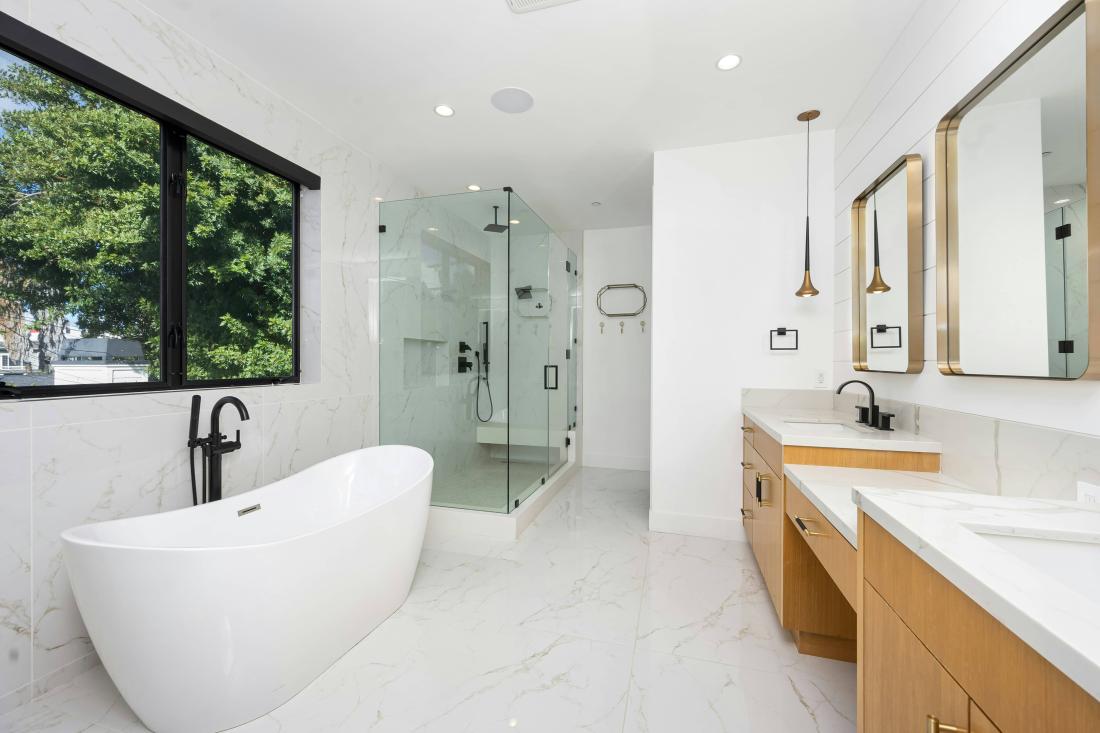
The honest answer is that it depends on your household's needs, your budget, and the size of your bathroom. If you have elderly family members at home, a dry bathroom is the safer and more hygienic option, and the conversion cost is usually worth it. If you are working with a tight budget or a very small bathroom, a well-maintained wet bathroom with proper waterproofing and ventilation remains a perfectly functional solution.
What matters most is that whichever layout you choose, it is built or renovated properly. In Malaysia's climate, cutting corners on waterproofing, drainage, or ventilation leads to problems that are far more expensive to fix later. Getting the right contractor who understands both wet and dry bathroom construction is just as important as the design itself.
Whether you are building a new home, renovating an older one, or simply planning your next upgrade, understanding the difference between wet and dry bathrooms gives you the foundation to make a decision that will serve your home well for years to come.