Structure
Kiosk Specialist in Malaysia: Engineering Compact Commerce in the Modern Marketplace
Dec 8 2025

In the vibrant, echoing atrium of a shopping mall, a subtle dance of commerce unfolds. Shoppers, laden with bags, are drawn not by a sprawling storefront, but by a compact, brilliantly lit island of promise. Here, a barista crafts a perfect latte with theatrical flair. There, a customer taps a touchscreen to customize a new smartphone case. This is the domain of the modern kiosk—a masterclass in high-impact, small-footprint retail. Across Malaysia, from the mega-malls of Kuala Lumpur to the transit hubs of Penang and Johor Bahru, these self-contained commercial units are redefining accessibility and entrepreneurship. Behind their sleek façades and flawless functionality lies the expertise of a kiosk specialist. This professional is far more than a fabricator; they are a strategic partner in spatial innovation, a technologist, and a brand architect who understands that in today’s crowded marketplace, the greatest impact can come from the most intelligently designed compact space.
The rise of the kiosk as a dominant retail model is a direct response to the evolving rhythms of consumer behaviour and economic pragmatism. For shoppers, time is a precious commodity, and attention spans are fractured. A kiosk offers immediacy, convenience, and a curated, low-commitment experience. It is designed for discovery and impulse, for grabbing a quick gourmet snack, solving a tech problem, or sampling a niche product. For businesses, the kiosk represents a potent strategy. It dramatically lowers the barrier to entry into high-traffic locations, offering a prestigious retail presence at a fraction of the cost of a traditional shop lot. It serves as a flexible, low-risk platform for market testing, brand expansion, or creating a hyper-efficient sales channel for specific products. The kiosk specialist operates at this intersection of consumer psychology and business strategy, translating commercial objectives into a physical form that capitalizes on every square inch.
The journey of creating a successful kiosk begins with a principle that defies its size: holistic, strategic design. Unlike a standard retail fit-out, a kiosk has no back room, no hidden storage alcove. Every element must be multifunctional and meticulously planned. The specialist starts by immersing themselves in the client’s brand essence and operational DNA. Is this a luxury fragrance brand requiring a secure, illuminated display and an intimate consultation area? Or a fast-paced F&B concept needing integrated refrigeration, a high-speed beverage system, and waste management? The specialist conducts a deep analysis of the target customer’s dwell time and interaction style. This research informs critical decisions about the kiosk’s shape—will it be a linear counter for swift service, a circular island for 360-degree engagement, or an angular design to capture foot traffic from multiple corridors? The orientation and height of the counter are calculated to be welcoming yet efficient, and the customer flow is choreographed to manage queues during peak hours without spilling into the mall’s thoroughfare.
The rise of the kiosk as a dominant retail model is a direct response to the evolving rhythms of consumer behaviour and economic pragmatism. For shoppers, time is a precious commodity, and attention spans are fractured. A kiosk offers immediacy, convenience, and a curated, low-commitment experience. It is designed for discovery and impulse, for grabbing a quick gourmet snack, solving a tech problem, or sampling a niche product. For businesses, the kiosk represents a potent strategy. It dramatically lowers the barrier to entry into high-traffic locations, offering a prestigious retail presence at a fraction of the cost of a traditional shop lot. It serves as a flexible, low-risk platform for market testing, brand expansion, or creating a hyper-efficient sales channel for specific products. The kiosk specialist operates at this intersection of consumer psychology and business strategy, translating commercial objectives into a physical form that capitalizes on every square inch.
The journey of creating a successful kiosk begins with a principle that defies its size: holistic, strategic design. Unlike a standard retail fit-out, a kiosk has no back room, no hidden storage alcove. Every element must be multifunctional and meticulously planned. The specialist starts by immersing themselves in the client’s brand essence and operational DNA. Is this a luxury fragrance brand requiring a secure, illuminated display and an intimate consultation area? Or a fast-paced F&B concept needing integrated refrigeration, a high-speed beverage system, and waste management? The specialist conducts a deep analysis of the target customer’s dwell time and interaction style. This research informs critical decisions about the kiosk’s shape—will it be a linear counter for swift service, a circular island for 360-degree engagement, or an angular design to capture foot traffic from multiple corridors? The orientation and height of the counter are calculated to be welcoming yet efficient, and the customer flow is choreographed to manage queues during peak hours without spilling into the mall’s thoroughfare.

Material selection for a kiosk is a high-stakes exercise in balancing aesthetics, durability, and brand messaging under constant public scrutiny. The specialist acts as a curator of surfaces and finishes. For a tech brand, they might specify sleek, anodized aluminium, gloss acrylic, and integrated LED lightboxes to project innovation. A craft chocolate brand might call for warm, textured timber veneers, brass accents, and matte finishes to evoke artisanal quality. In Malaysia’s humid, high-traffic environments, these materials must be extraordinarily robust. Surfaces must resist fingerprints, scratches, and frequent cleaning with harsh chemicals. The structural framework, often a combination of precision aluminium extrusions and reinforced panels, must withstand accidental bumps from trolleys and the constant vibration of a busy mall. A specialist sources materials that are not only beautiful on installation day but are engineered to retain their integrity and appearance through years of operation, protecting the brand’s image relentlessly.
In the modern retail landscape, a kiosk is a node in a digital network. Therefore, the kiosk specialist is a crucial integrator of smart retail technology. This goes far beyond installing a payment terminal. It involves designing the entire digital nervous system of the unit. This includes planning for discreet, high-capacity power distribution and data cabling to support point-of-sale (POS) systems, inventory tablets, digital signage, and customer-facing interactive screens. For retailers, the specialist might integrate a secure product demonstration tablet or a self-checkout system. For service-based kiosks (phone repairs, SIM card sales), they design secure docking stations for devices and integrated diagnostic monitors. Lighting is another technological domain; specialists employ dynamic LED systems that can be programmed to change colour for promotions, provide perfect, shadow-free task lighting for staff, and create ambient moods that attract customers from across the concourse. This technological backbone transforms the kiosk from a static booth into an interactive, adaptable retail tool.
The operational heart of a kiosk is its ergonomic and storage design, a puzzle the specialist must solve with ingenious efficiency. Every movement a staff member makes within the tiny confines of the kiosk must be optimized for speed and comfort to prevent fatigue during long shifts. The specialist designs custom cabinetry that places high-turnover products at fingertips, integrates hidden trash compactors or recycling chutes, and creates secure cash handling drawers. For F&B kiosks, this becomes even more critical, requiring the seamless integration of commercial appliances—undershelf refrigerators, compact blast chillers, specialty coffee machines—into the cabinetry without sacrificing counter space or aesthetic cohesion. Ventilation and thermal management are also paramount; a poorly ventilated kiosk with multiple heat-generating appliances becomes unbearable for staff and uninviting for customers. The specialist engineers discreet but powerful extraction and cooling solutions, ensuring a comfortable micro-climate within the unit.
In the modern retail landscape, a kiosk is a node in a digital network. Therefore, the kiosk specialist is a crucial integrator of smart retail technology. This goes far beyond installing a payment terminal. It involves designing the entire digital nervous system of the unit. This includes planning for discreet, high-capacity power distribution and data cabling to support point-of-sale (POS) systems, inventory tablets, digital signage, and customer-facing interactive screens. For retailers, the specialist might integrate a secure product demonstration tablet or a self-checkout system. For service-based kiosks (phone repairs, SIM card sales), they design secure docking stations for devices and integrated diagnostic monitors. Lighting is another technological domain; specialists employ dynamic LED systems that can be programmed to change colour for promotions, provide perfect, shadow-free task lighting for staff, and create ambient moods that attract customers from across the concourse. This technological backbone transforms the kiosk from a static booth into an interactive, adaptable retail tool.
The operational heart of a kiosk is its ergonomic and storage design, a puzzle the specialist must solve with ingenious efficiency. Every movement a staff member makes within the tiny confines of the kiosk must be optimized for speed and comfort to prevent fatigue during long shifts. The specialist designs custom cabinetry that places high-turnover products at fingertips, integrates hidden trash compactors or recycling chutes, and creates secure cash handling drawers. For F&B kiosks, this becomes even more critical, requiring the seamless integration of commercial appliances—undershelf refrigerators, compact blast chillers, specialty coffee machines—into the cabinetry without sacrificing counter space or aesthetic cohesion. Ventilation and thermal management are also paramount; a poorly ventilated kiosk with multiple heat-generating appliances becomes unbearable for staff and uninviting for customers. The specialist engineers discreet but powerful extraction and cooling solutions, ensuring a comfortable micro-climate within the unit.
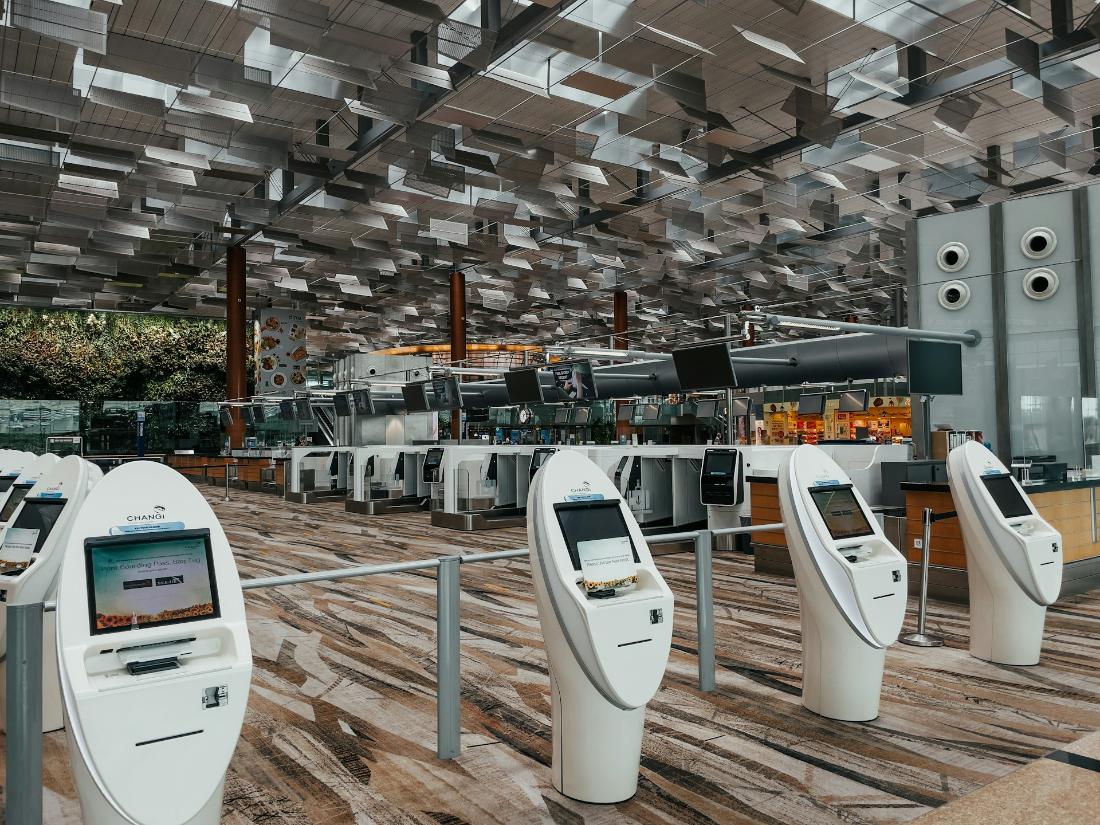


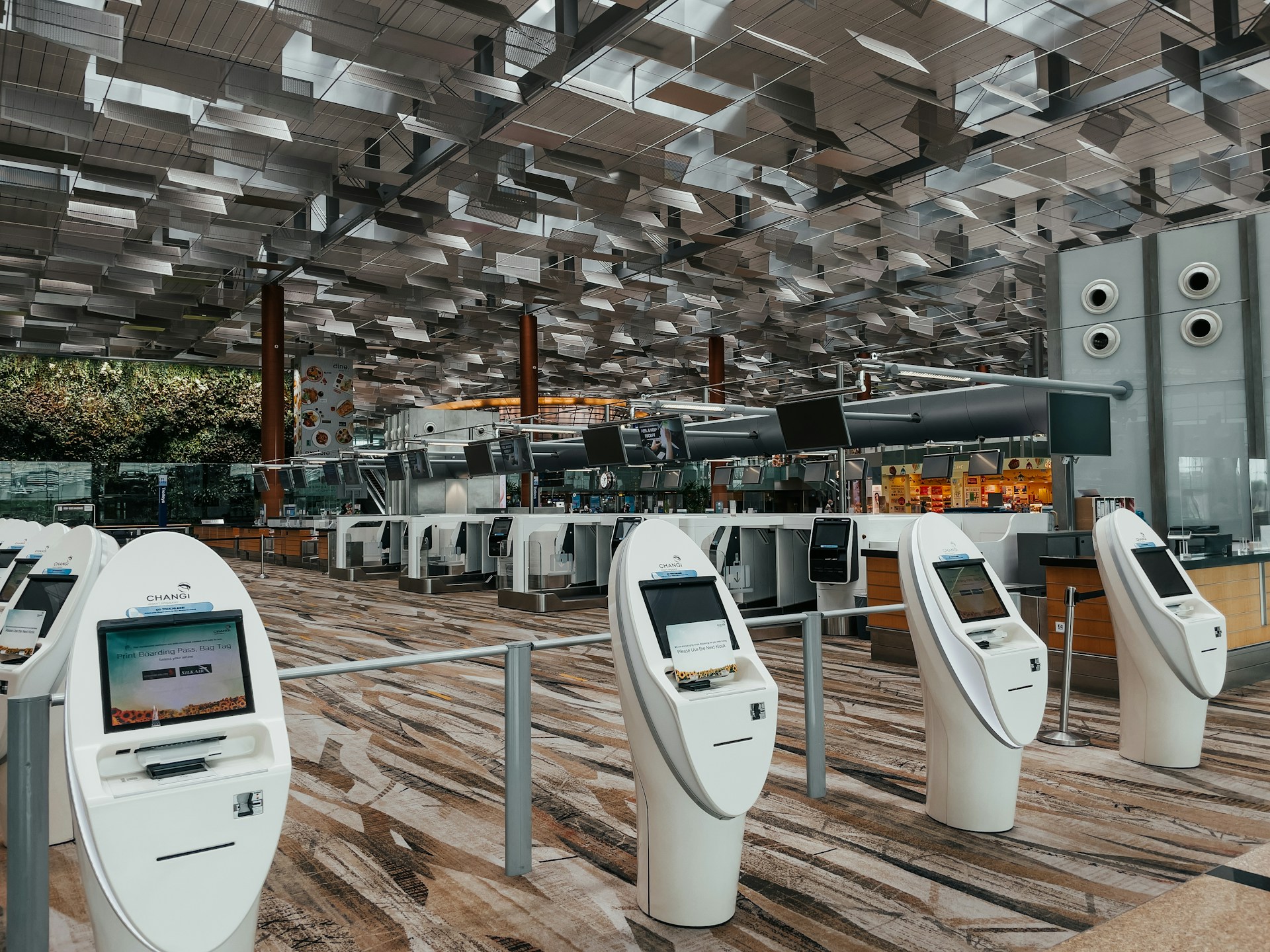
Navigating the complex ecosystem of a mall or airport is a unique challenge that a kiosk specialist masters. They serve as the crucial liaison between the retailer and the landlord’s management team. They possess a thorough understanding of tenancy guidelines, which can be extraordinarily detailed, covering everything from permissible materials and signage luminescence to after-hours security protocols and waste disposal procedures. They prepare and submit technical drawings for management approval, ensuring the design complies with all fire safety regulations, electrical load restrictions, and centralised mall aesthetic themes. Furthermore, they manage the entire logistics chain, from fabricating the kiosk in sections at their workshop to coordinating its transportation and installation during designated mall hours, often overnight to avoid disrupting daily operations. This project management skill removes a monumental administrative burden from the retailer, ensuring a smooth, compliant path to opening day.
The specialist’s role also encompasses enabling diverse business models through adaptable kiosk typologies. They design semi-permanent units for long-term mall leases, built for durability and easy maintenance. For brands that participate in pop-up campaigns or roadshows, they create modular, flat-pack kiosks that can be assembled and disassembled rapidly without tools, transporting brand presence to different locations with consistency. They also engineer fully mobile kiosk carts for indoor-outdoor flexibility, complete with onboard power systems and compact storage. This adaptability allows businesses of all scales—from multinational corporations launching a new product to local artisans accessing a wider audience—to leverage the kiosk format effectively, making premium retail spaces accessible and flexible.
Ultimately, engaging a professional kiosk specialist is an investment in brand equity and operational success. A kiosk is the three-dimensional business card of a brand in a high-traffic environment; a poorly designed, flimsy, or inefficient unit can actively repel customers and damage reputation. A specialist-built kiosk, however, functions as a brand ambassador. It communicates quality and professionalism, operates with seamless efficiency to maximise sales per square foot, and is built to endure the rigours of public commerce with minimal downtime. It provides the retailer with a turnkey solution, where design, compliance, technology, and construction are unified under one expert responsibility. In the competitive theatre of modern retail, where first impressions are instantaneous and final, the kiosk specialist provides the stage, the lighting, and the machinery for a brand to not just enter the marketplace, but to command attention and thrive within it. They are the quiet engineers of big opportunities in small spaces, proving that in the world of Malaysian retail, the most potent presence is often the most precisely crafted one.
The specialist’s role also encompasses enabling diverse business models through adaptable kiosk typologies. They design semi-permanent units for long-term mall leases, built for durability and easy maintenance. For brands that participate in pop-up campaigns or roadshows, they create modular, flat-pack kiosks that can be assembled and disassembled rapidly without tools, transporting brand presence to different locations with consistency. They also engineer fully mobile kiosk carts for indoor-outdoor flexibility, complete with onboard power systems and compact storage. This adaptability allows businesses of all scales—from multinational corporations launching a new product to local artisans accessing a wider audience—to leverage the kiosk format effectively, making premium retail spaces accessible and flexible.
Ultimately, engaging a professional kiosk specialist is an investment in brand equity and operational success. A kiosk is the three-dimensional business card of a brand in a high-traffic environment; a poorly designed, flimsy, or inefficient unit can actively repel customers and damage reputation. A specialist-built kiosk, however, functions as a brand ambassador. It communicates quality and professionalism, operates with seamless efficiency to maximise sales per square foot, and is built to endure the rigours of public commerce with minimal downtime. It provides the retailer with a turnkey solution, where design, compliance, technology, and construction are unified under one expert responsibility. In the competitive theatre of modern retail, where first impressions are instantaneous and final, the kiosk specialist provides the stage, the lighting, and the machinery for a brand to not just enter the marketplace, but to command attention and thrive within it. They are the quiet engineers of big opportunities in small spaces, proving that in the world of Malaysian retail, the most potent presence is often the most precisely crafted one.