Material
Walk In Wardrobe or Built In Wardrobe: Which Is Better?
Oct 14 2026
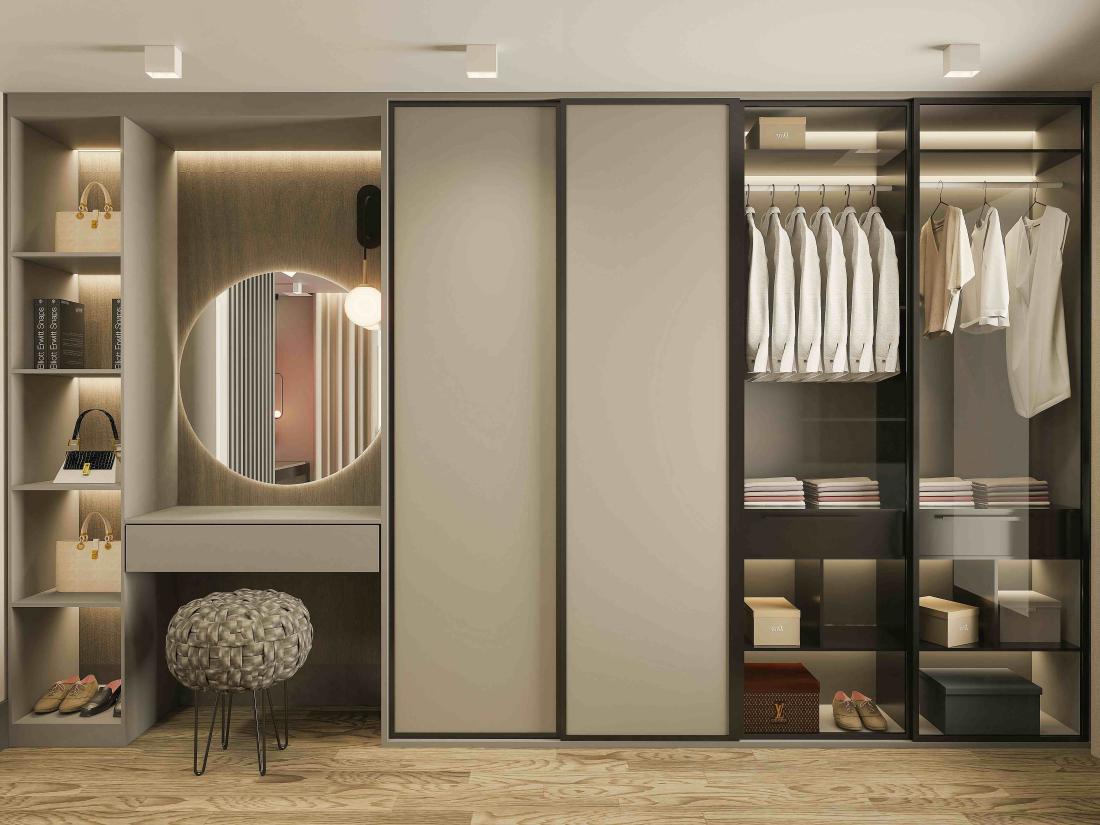
Choosing the right wardrobe solution is one of the most practical decisions in any Malaysian home — here is everything you need to weigh before you decide.
When it comes to wardrobe storage solutions in Malaysia, homeowners are often torn between two popular options: the walk-in wardrobe and the built-in wardrobe. Both serve the same fundamental purpose — keeping your clothes, accessories, and personal items organised — but they differ significantly in terms of space requirements, cost, and lifestyle fit. Whether you are renovating a terrace house in Petaling Jaya, fitting out a condominium in Kuala Lumpur, or designing a new landed home in Johor Bahru, understanding the differences between a walk-in wardrobe and a built-in wardrobe can save you time, money, and regret.
When it comes to wardrobe storage solutions in Malaysia, homeowners are often torn between two popular options: the walk-in wardrobe and the built-in wardrobe. Both serve the same fundamental purpose — keeping your clothes, accessories, and personal items organised — but they differ significantly in terms of space requirements, cost, and lifestyle fit. Whether you are renovating a terrace house in Petaling Jaya, fitting out a condominium in Kuala Lumpur, or designing a new landed home in Johor Bahru, understanding the differences between a walk-in wardrobe and a built-in wardrobe can save you time, money, and regret.
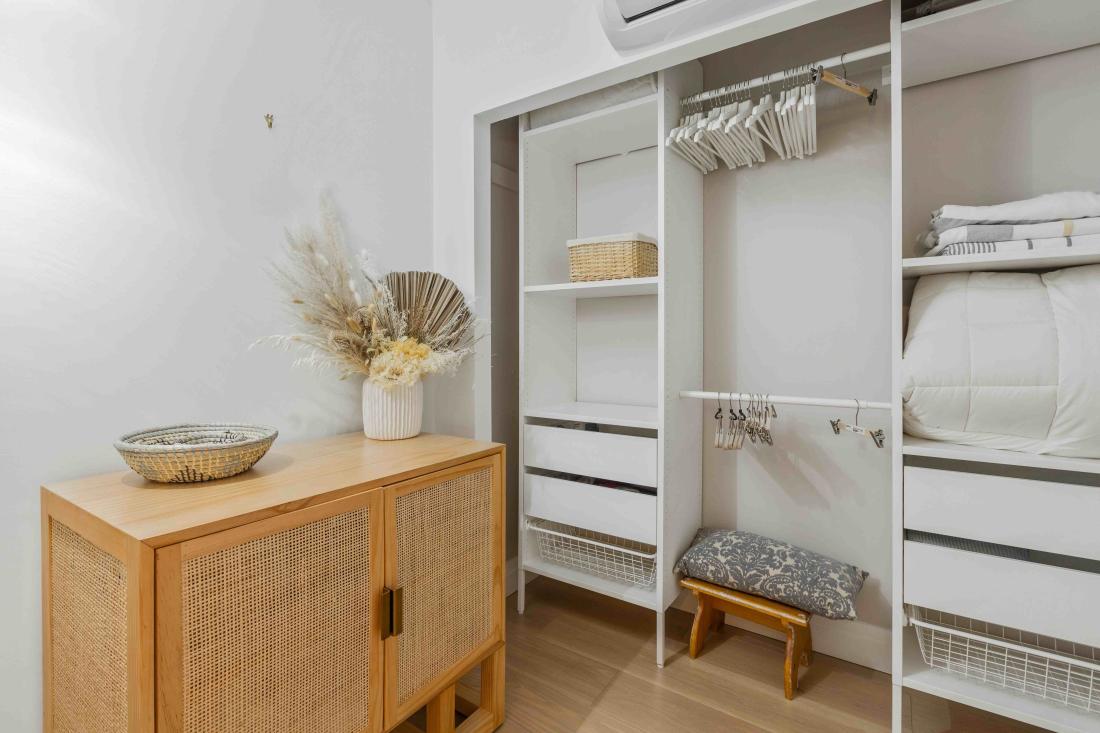
What Is a Walk-In Wardrobe?
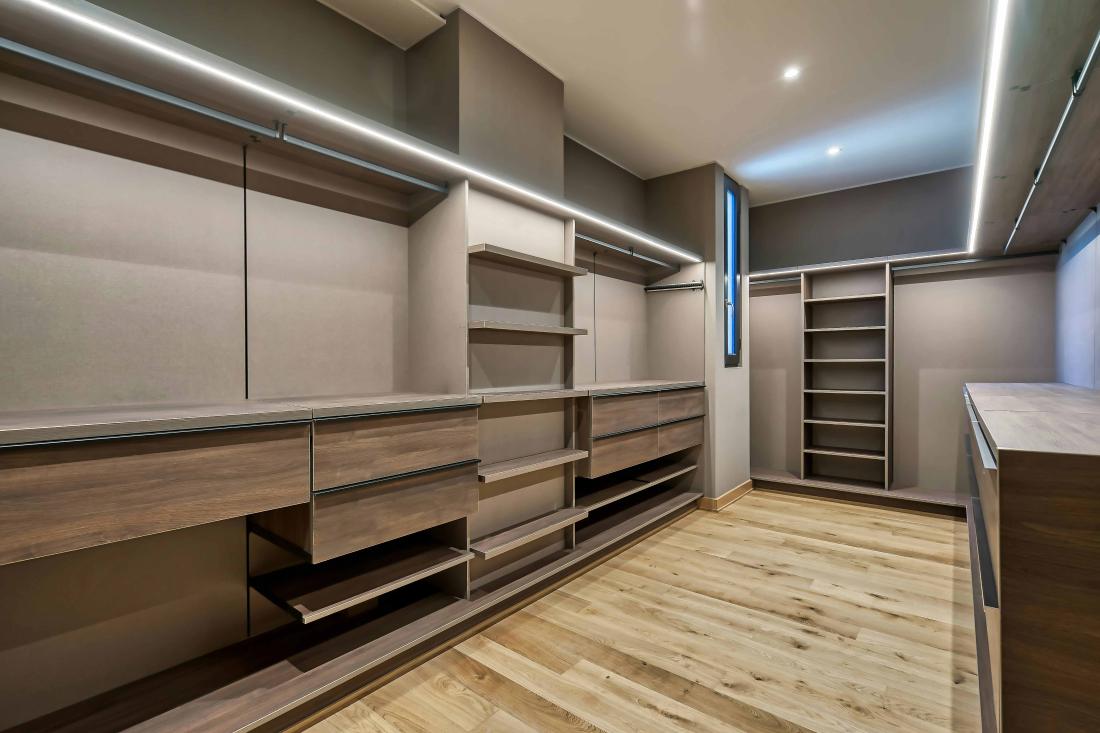
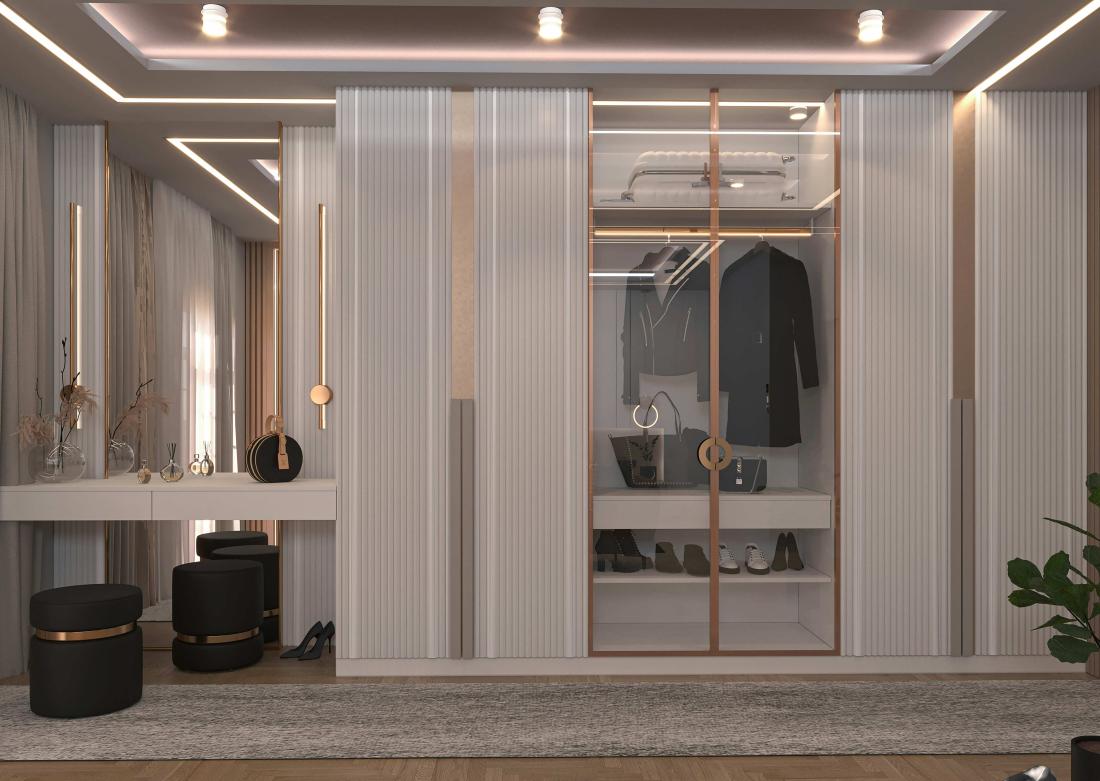
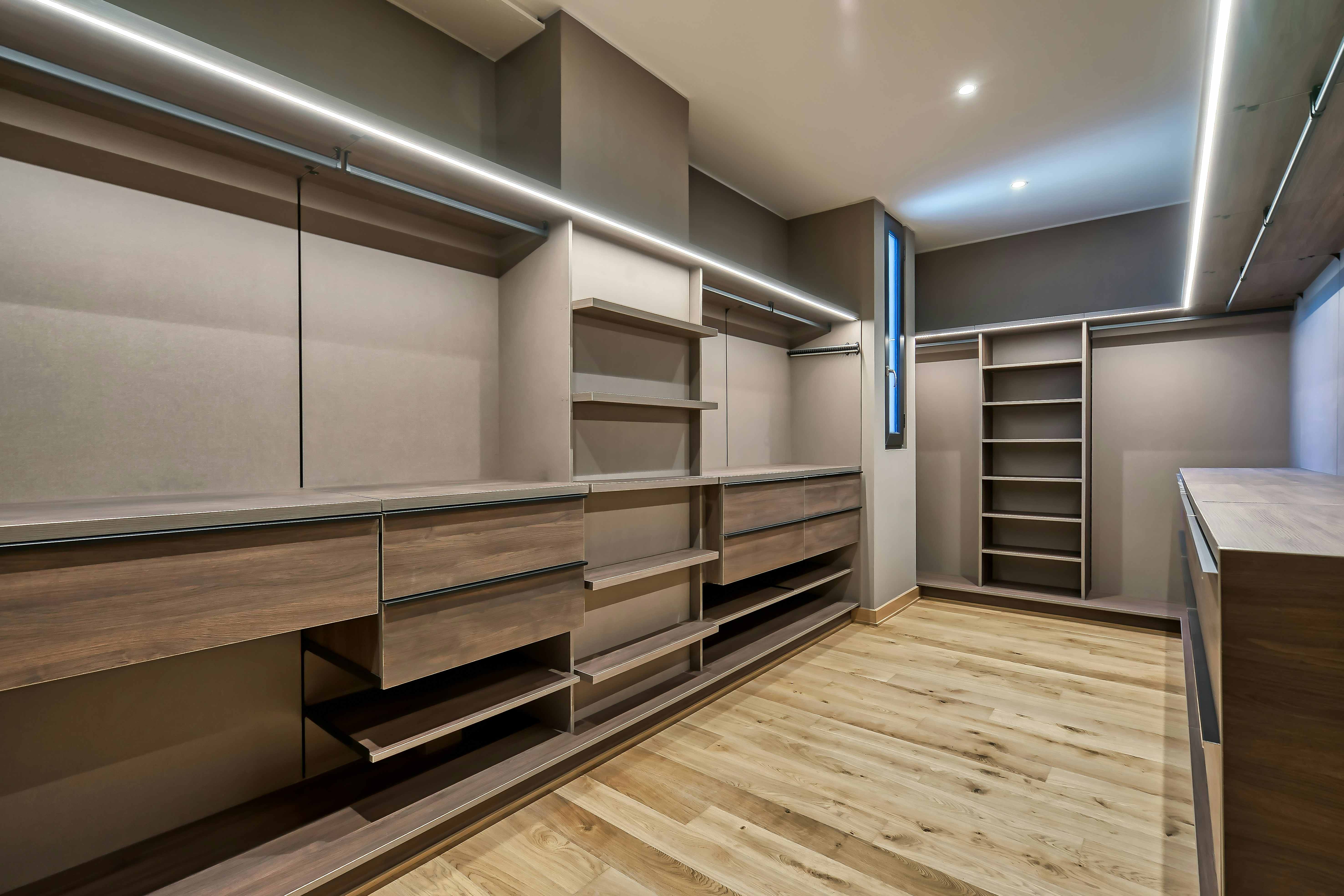
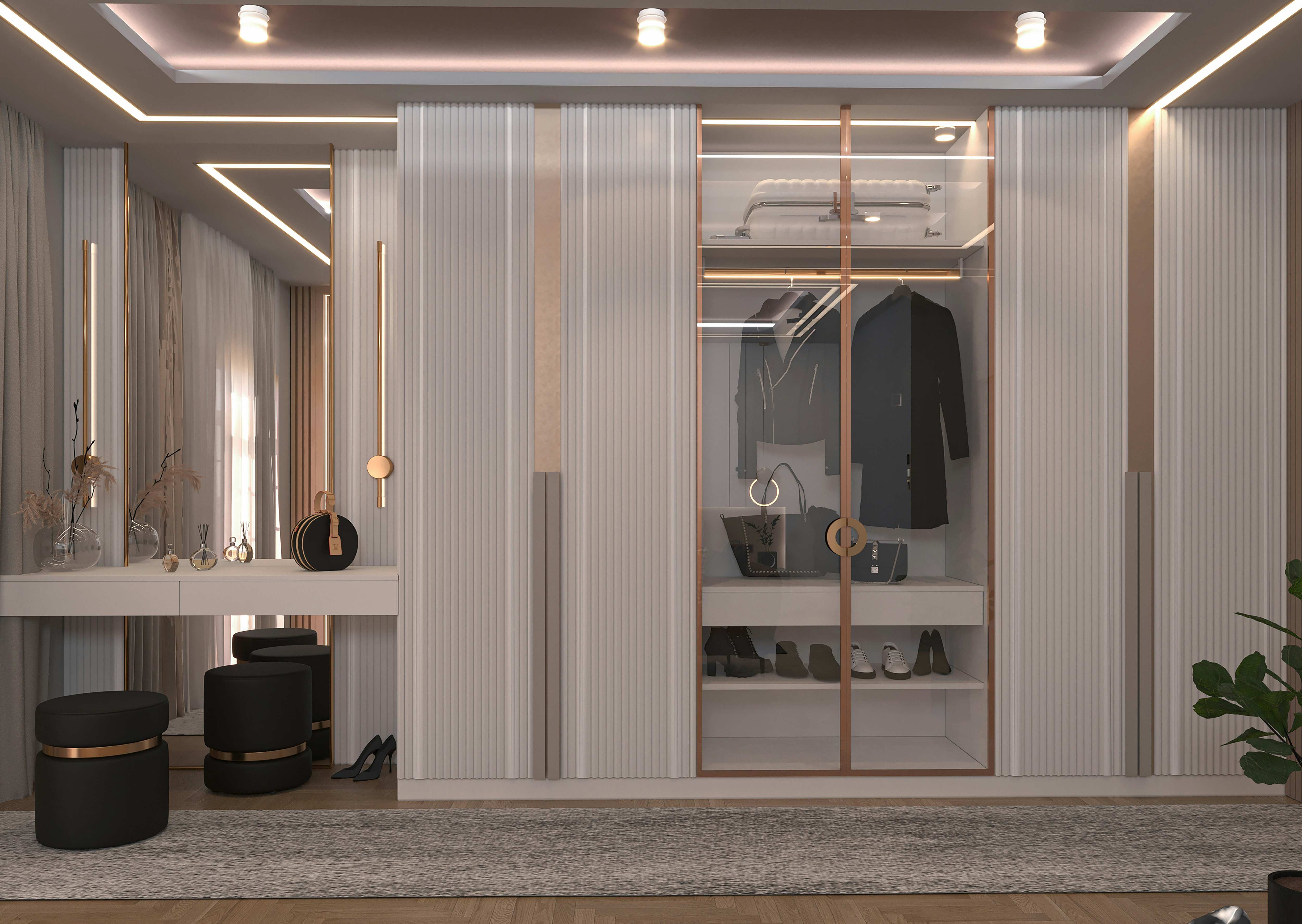
A walk-in wardrobe is a dedicated room or large enclosed space specifically designed for storing and organising clothing, shoes, and accessories. Unlike a standard wardrobe, you physically enter the space to access your items. Walk-in wardrobes typically feature open shelving, hanging rails, drawers, and sometimes a central island or a vanity area.
Characteristics of a Walk-In Wardrobe
In Malaysia, walk-in wardrobes are most commonly found in larger homes such as semi-detached houses, bungalows, or high-end condominiums where a spare bedroom or generous master suite can be converted into a dressing room. They require a minimum floor area of roughly 5 to 7 square metres to function well, and ideally benefit from natural ventilation to prevent humidity build-up — an important consideration given Malaysia's tropical climate.
What Is a Built-In Wardrobe?
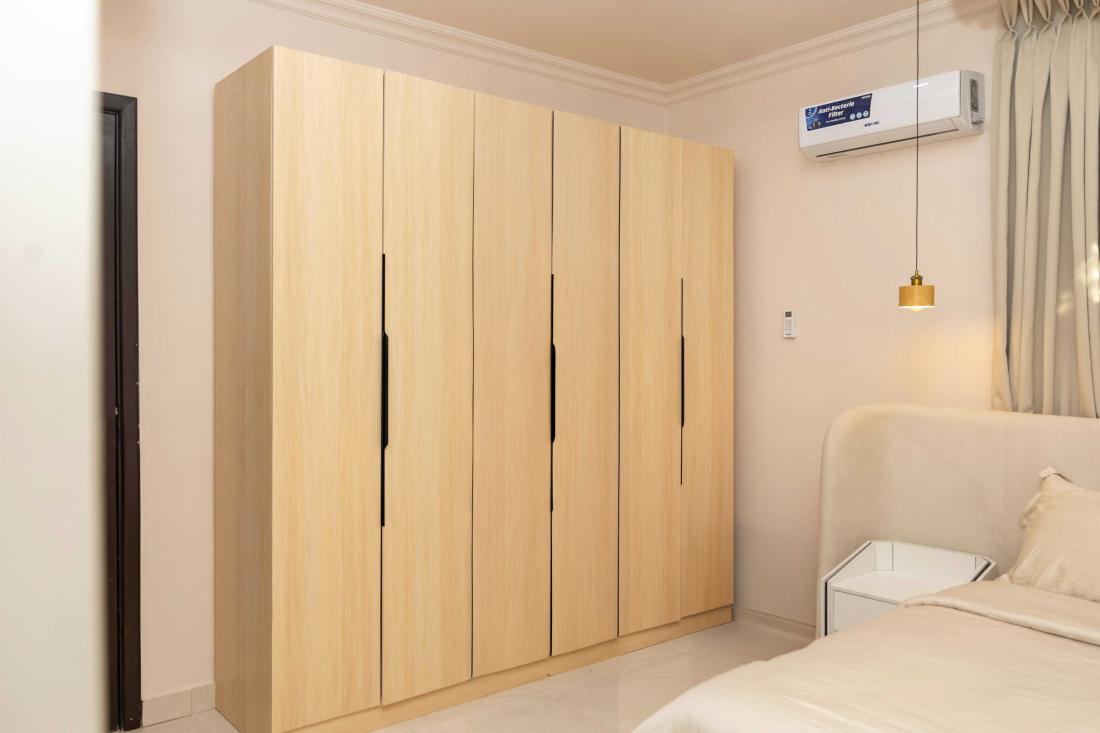
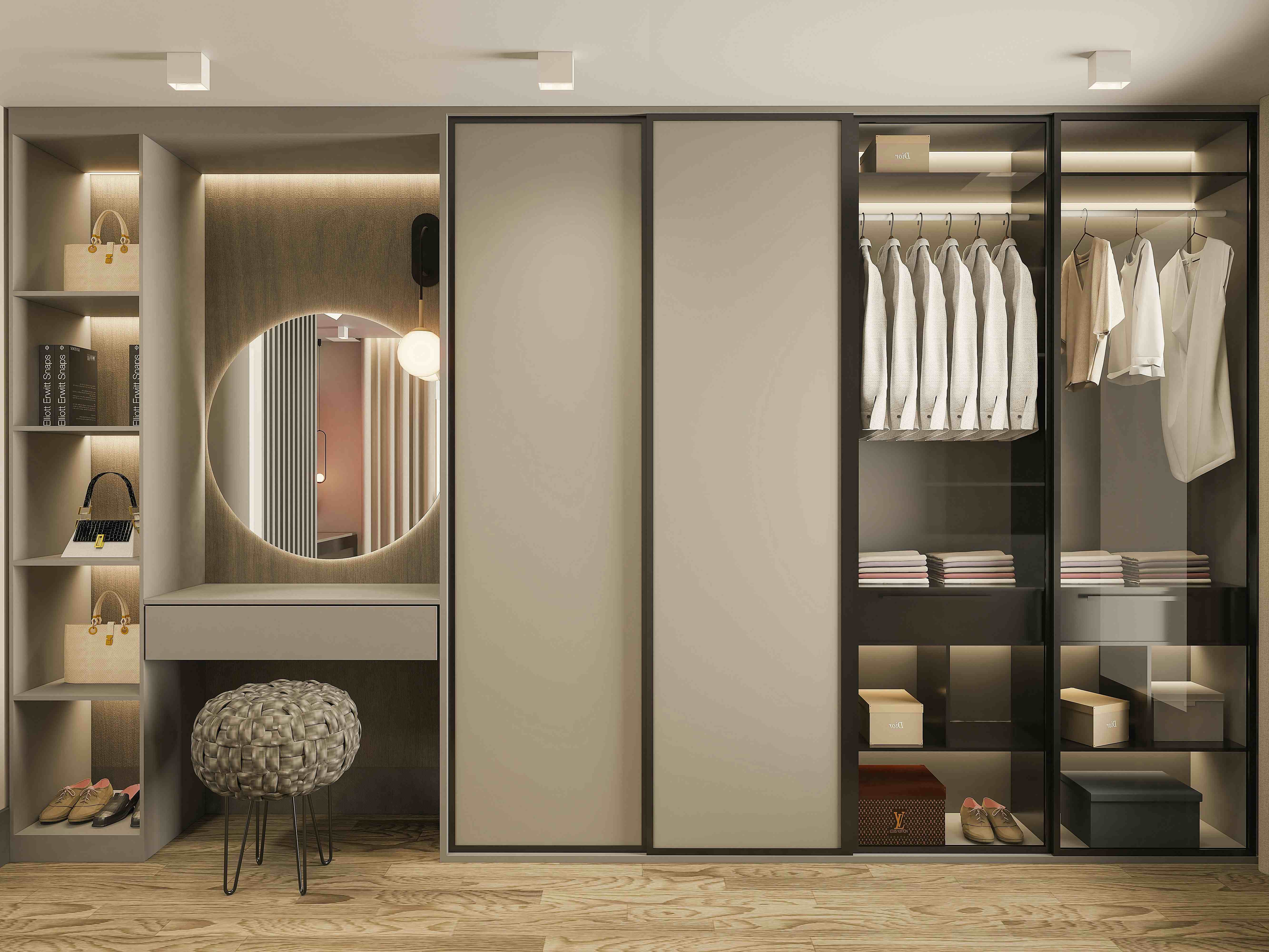
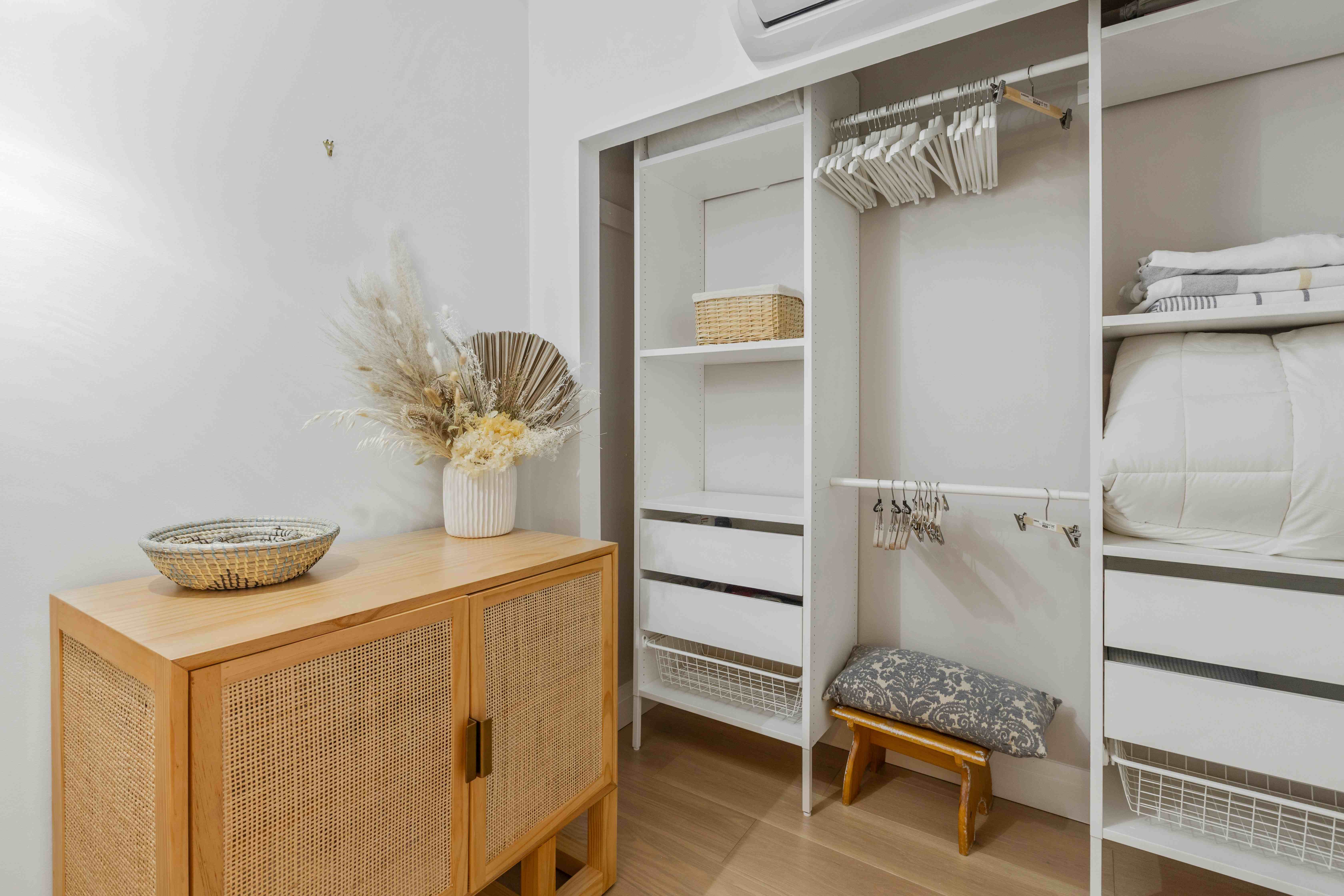
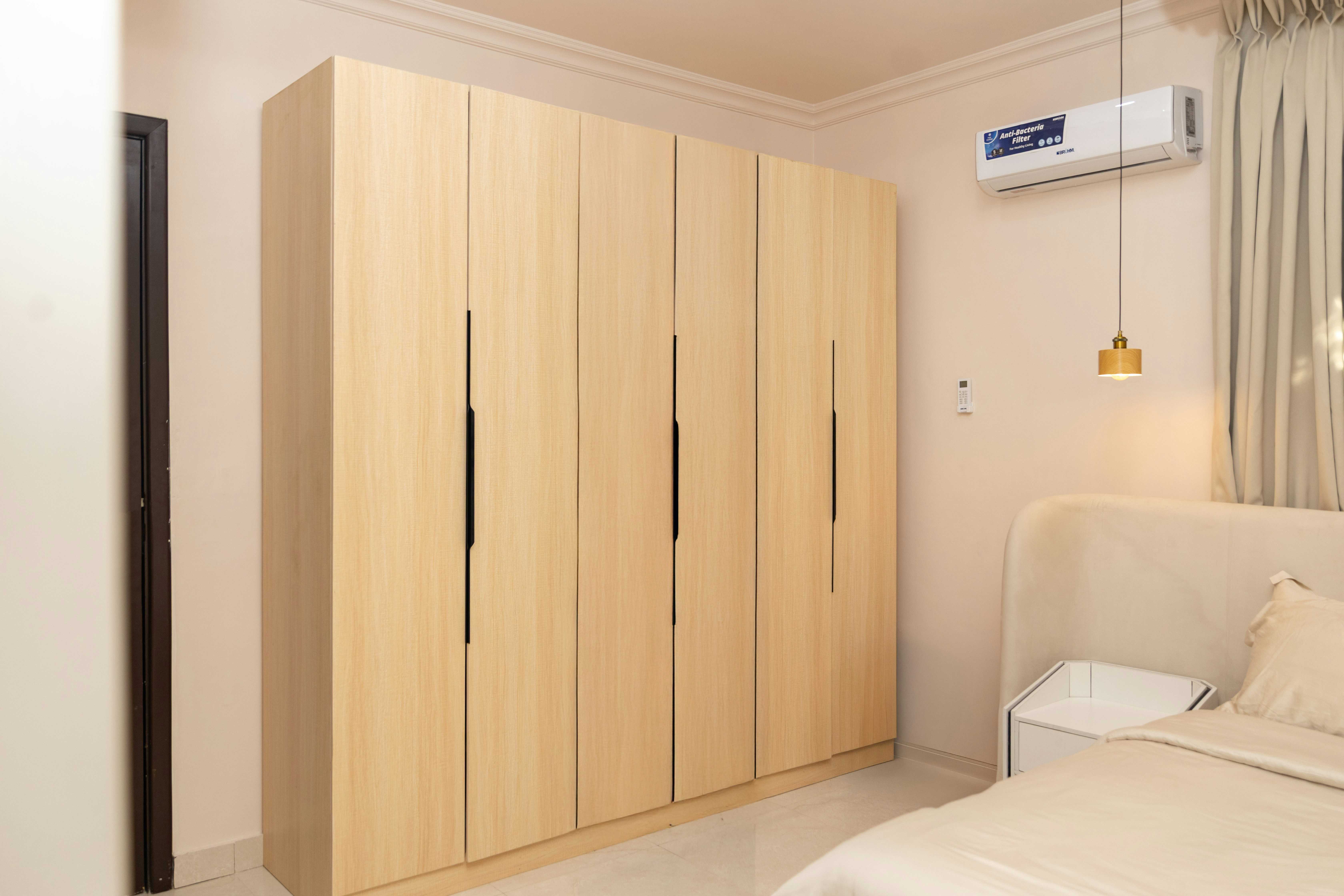
A built-in wardrobe, sometimes called a fitted wardrobe, is a custom-designed storage unit constructed directly into a wall or alcove of a room. It sits flush with the surrounding walls, creating a seamless, space-efficient look. Built-in wardrobes typically feature sliding or hinged doors and are made to measure, maximising every centimetre of available space from floor to ceiling.
Characteristics of a Built-In Wardrobe
Built-in wardrobes are highly versatile and are found in virtually every type of Malaysian home — from compact studio apartments and terrace houses to medium-range condominiums. They require no additional floor area beyond the depth of the unit itself, which typically ranges from 55 cm to 65 cm. This makes them an especially practical choice for smaller Malaysian homes where space is at a premium.
Walk-In Wardrobe vs Built-In Wardrobe: Key Differences
Understanding how a walk-in wardrobe and a built-in wardrobe differ across several key categories will help you make the right choice for your home and lifestyle.
Walk-In Wardrobe
Requires dedicated room space (min. 5–7 sqm)
Higher overall cost (renovation + fittings)
Immersive, boutique dressing experience
Greater flexibility to reconfigure over time
Better suited to larger homes or landed property
Needs ventilation planning in Malaysia's humidity
Built-In Wardrobe
Uses existing wall space — no extra room needed
More cost-effective for comparable storage volume
Clean, integrated look within the bedroom
Made to measure — maximises every centimetre
Ideal for condominiums and terrace houses
Ventilation less critical; sealed units reduce dust
From a functional standpoint, a walk-in wardrobe wins on experience and capacity, while a built-in wardrobe wins on efficiency and accessibility. Neither is objectively superior — the better choice depends entirely on what your home and lifestyle demand.
Which Wardrobe Storage Solution Is Right for Your Malaysian Home?
The layout and size of your home are the most important factors in this decision. Malaysian housing types vary enormously — from a 750-square-foot condominium in Bangsar to a 3,000-square-foot semi-detached home in Shah Alam — and what works beautifully in one setting can feel cramped or wasteful in another.
For Condominium and Apartment Owners
If you live in a Malaysian condominium, especially one with a master bedroom smaller than 180 square feet, a built-in wardrobe is almost always the more practical choice. It preserves precious floor space, keeps the room feeling open, and can be designed with mirrored sliding doors to visually expand a compact room. Walk-in wardrobes in small condominiums often end up feeling claustrophobic and are difficult to ventilate properly.
For Landed Property Owners
If you own a semi-detached house or bungalow and your master bedroom includes an attached dressing area or a generous alcove, a walk-in wardrobe can transform that space into a genuinely luxurious feature. Many Malaysian homeowners in Subang Jaya, Damansara, or Setia Alam who undertake full renovations choose to convert a small adjacent room into a walk-in wardrobe, particularly when the main bedroom is large enough to accommodate the change without feeling cramped.
In Malaysia's humid tropical climate, good ventilation and moisture-resistant materials are non-negotiable — whether you choose a walk-in or a built-in wardrobe, plan for airflow from the outset.
Cost of Walk-In Wardrobe vs Built-In Wardrobe in Malaysia
Cost is one of the most decisive factors for Malaysian homeowners. A well-designed built-in wardrobe typically ranges from RM 3,000 to RM 12,000 depending on size, material, and the interior fittings chosen. A walk-in wardrobe, by contrast, involves hacking work, potential structural changes, flooring, lighting, and a full set of custom fittings — costs can start from RM 15,000 and go significantly higher for premium finishes.
It is worth noting that built-in wardrobes also tend to add more practical resale value in the Malaysian property market, particularly for condominiums, where buyers expect storage to be efficiently integrated into the bedroom rather than occupying a separate room. However, a well-executed walk-in wardrobe in a landed property can be a genuine selling point, especially for the upper-mid to luxury segment of the market.
Design and Customisation Options
Both wardrobe types offer extensive customisation, but the approach differs. Built-in wardrobes are designed around a fixed footprint and maximise vertical space, often reaching from floor to ceiling. Homeowners can choose from sliding or hinged doors, a mix of hanging space and shelves, pull-out drawers, and accessories such as tie racks, shoe organisers, and internal LED lighting.
Walk-in wardrobes, on the other hand, offer a more open, modular approach. Because you move through the space, the layout can be designed around your specific habits — a longer hanging section for dresses on one side, shoe shelving at eye level on another, a central island for folded garments or accessories. The open format also makes it easier to see everything you own at a glance, which many people find genuinely changes how they dress and organise.
For Malaysian homes specifically, material choice matters greatly. Moisture-resistant boards such as moisture-grade MDF or solid wood with a sealed finish perform better in humid conditions than standard MDF, especially in rooms without air conditioning. This applies equally to both wardrobe types and should be a priority conversation with any renovation contractor or interior designer in Malaysia.
Frequently Asked Question
Q: Is a walk-in wardrobe or built-in wardrobe better for a small Malaysian condo?
A: A built-in wardrobe is almost always the better choice for a small Malaysian condominium. It uses wall space rather than floor space, keeps the bedroom open and airy, and can be fitted with mirrored sliding doors to make the room feel larger. Walk-in wardrobes require a minimum of 5 to 7 square metres of dedicated space, which most Malaysian condo bedrooms simply cannot spare.
Q: How much does a built-in wardrobe cost in Malaysia?
A: In Malaysia, a standard built-in wardrobe typically costs between RM 3,000 and RM 12,000, depending on size, materials, and internal fittings. A walk-in wardrobe renovation generally starts from RM 15,000 and can go much higher for larger spaces or premium finishes. Always request detailed quotes from at least two or three contractors and clarify whether the price includes installation and hacking works.
Q: Which type of wardrobe is easier to maintain in Malaysia's humid climate?
A: Built-in wardrobes with sealed doors tend to accumulate less dust and are generally easier to maintain in Malaysia's humid conditions, as the enclosed design limits direct exposure to moisture. Walk-in wardrobes require good cross-ventilation or a dedicated air conditioning unit to prevent dampness and mould. Whichever type you choose, opt for moisture-resistant board materials and consider placing silica gel packets or a small dehumidifier inside the wardrobe space.
Conclusion
The choice between a walk-in wardrobe and a built-in wardrobe ultimately comes down to your available space, budget, and how you like to live. For most Malaysian homeowners in condominiums and terrace houses, a well-designed built-in wardrobe delivers excellent storage efficiency, a clean aesthetic, and strong practical value at a manageable cost. For those with larger homes and the room to spare, a walk-in wardrobe offers an elevated dressing experience that many find transforms their daily routine.
Whichever direction you choose, invest in quality materials suited to Malaysia's climate, work with a contractor who understands local conditions, and prioritise ventilation. A wardrobe that is built to last — and that you genuinely enjoy using every day — is always the better choice.