Room
Wardrobe Custom Made in Malaysia: Crafting Order, Identity, and Personal Space
Jan 5 2026
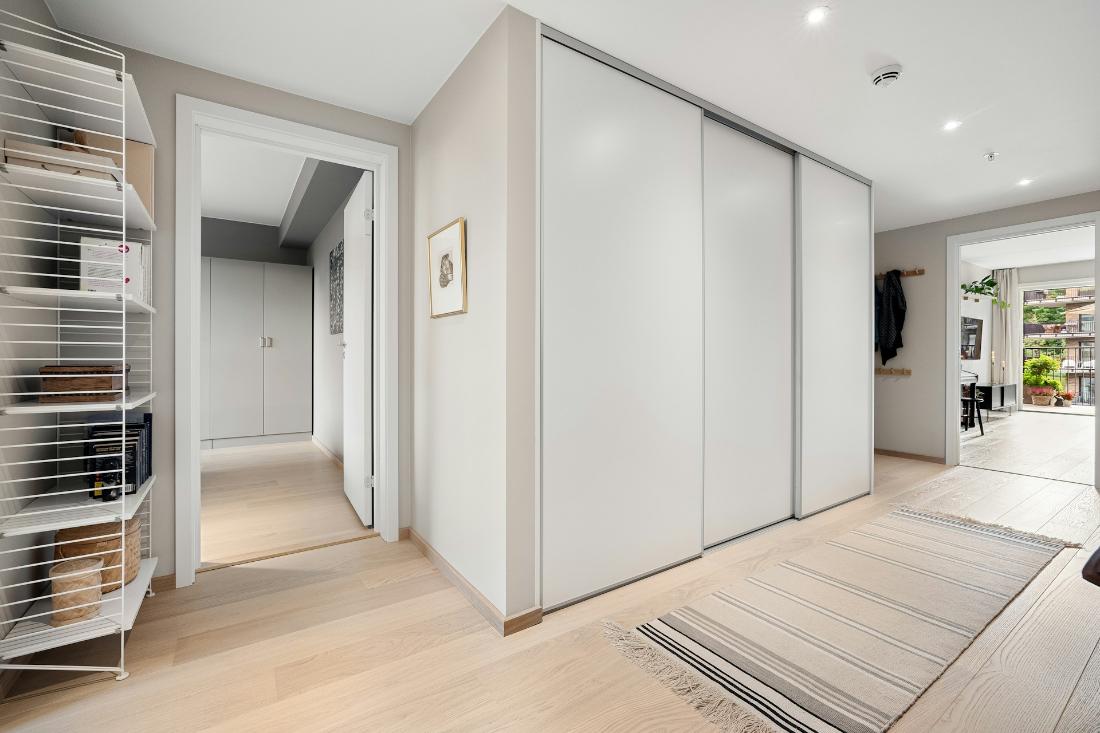
In the quiet intimacy of the bedroom, the wardrobe stands as a silent testament to our lives. It holds not just garments, but memories, aspirations, and the daily ritual of preparing to face the world. It is the first place we visit in the morning and the last we close at night. Yet, for many in Malaysia, the standard, boxy built-in or freestanding wardrobe is a constant source of frustration—a jumble of ill-fitting shelves, a graveyard for items lost in deep, dark corners, or a visual clash with the room’s carefully curated aesthetic. This widespread dissatisfaction has given rise to a profound appreciation for the craft of the custom-made wardrobe. This is not merely a furniture purchase; it is a collaborative design journey, an exercise in spatial optimisation, and an investment in a daily life of serene order and personal expression. It represents a shift from making do with what fits the furniture to commissioning furniture that fits your life.
The decision to invest in a custom-made wardrobe in Malaysia is, at its heart, a decision to solve problems that off-the-shelf units cannot address. Malaysian homes, particularly urban apartments and condominiums, often feature bedrooms with unique architectural quirks: awkward alcoves, sloping ceilings, protruding beams, or irregular wall angles. A custom wardrobe is designed to embrace these idiosyncrasies, transforming wasted or challenging spaces into seamless, functional storage. It can be built to ascend to the very ceiling, utilising every available cubic foot for seasonal storage, or be configured to fit perfectly beneath a sloped attic eave. Beyond fitting the room, it is designed to fit the individual. The specialist craftsman understands that a corporate professional’s need for hanging suits differs from a teacher’s need for folded casual wear, which differs again from a collector’s need to display cherished items. The process begins with this fundamental principle: the wardrobe should be a perfect mirror of the owner’s lifestyle, habits, and inventory.
The journey of creating a custom wardrobe is a deeply human and collaborative process, starting with a detailed consultation that feels more like a conversation than a sales pitch. A skilled designer or carpenter will visit the home, tape measure and notebook in hand, but their most important tool is their curiosity. They will ask questions that go far beyond dimensions. How many pairs of shoes do you own, and what are their types—heels, sneakers, boots? Do you prefer to hang most items or fold them? How many full-length dresses, jackets, or baju kurung require long hanging space? What about accessories like belts, ties, watches, or handbags? They will discuss daily routines: is the wardrobe shared, requiring distinct his-and-hers zones? Do you need a dedicated section for work uniforms or gym wear? This investigative dialogue ensures the final design is not just a box with shelves, but a highly personalised storage ecosystem that anticipates and accommodates the real contents of a life, saving time and reducing daily friction.
The decision to invest in a custom-made wardrobe in Malaysia is, at its heart, a decision to solve problems that off-the-shelf units cannot address. Malaysian homes, particularly urban apartments and condominiums, often feature bedrooms with unique architectural quirks: awkward alcoves, sloping ceilings, protruding beams, or irregular wall angles. A custom wardrobe is designed to embrace these idiosyncrasies, transforming wasted or challenging spaces into seamless, functional storage. It can be built to ascend to the very ceiling, utilising every available cubic foot for seasonal storage, or be configured to fit perfectly beneath a sloped attic eave. Beyond fitting the room, it is designed to fit the individual. The specialist craftsman understands that a corporate professional’s need for hanging suits differs from a teacher’s need for folded casual wear, which differs again from a collector’s need to display cherished items. The process begins with this fundamental principle: the wardrobe should be a perfect mirror of the owner’s lifestyle, habits, and inventory.
The journey of creating a custom wardrobe is a deeply human and collaborative process, starting with a detailed consultation that feels more like a conversation than a sales pitch. A skilled designer or carpenter will visit the home, tape measure and notebook in hand, but their most important tool is their curiosity. They will ask questions that go far beyond dimensions. How many pairs of shoes do you own, and what are their types—heels, sneakers, boots? Do you prefer to hang most items or fold them? How many full-length dresses, jackets, or baju kurung require long hanging space? What about accessories like belts, ties, watches, or handbags? They will discuss daily routines: is the wardrobe shared, requiring distinct his-and-hers zones? Do you need a dedicated section for work uniforms or gym wear? This investigative dialogue ensures the final design is not just a box with shelves, but a highly personalised storage ecosystem that anticipates and accommodates the real contents of a life, saving time and reducing daily friction.
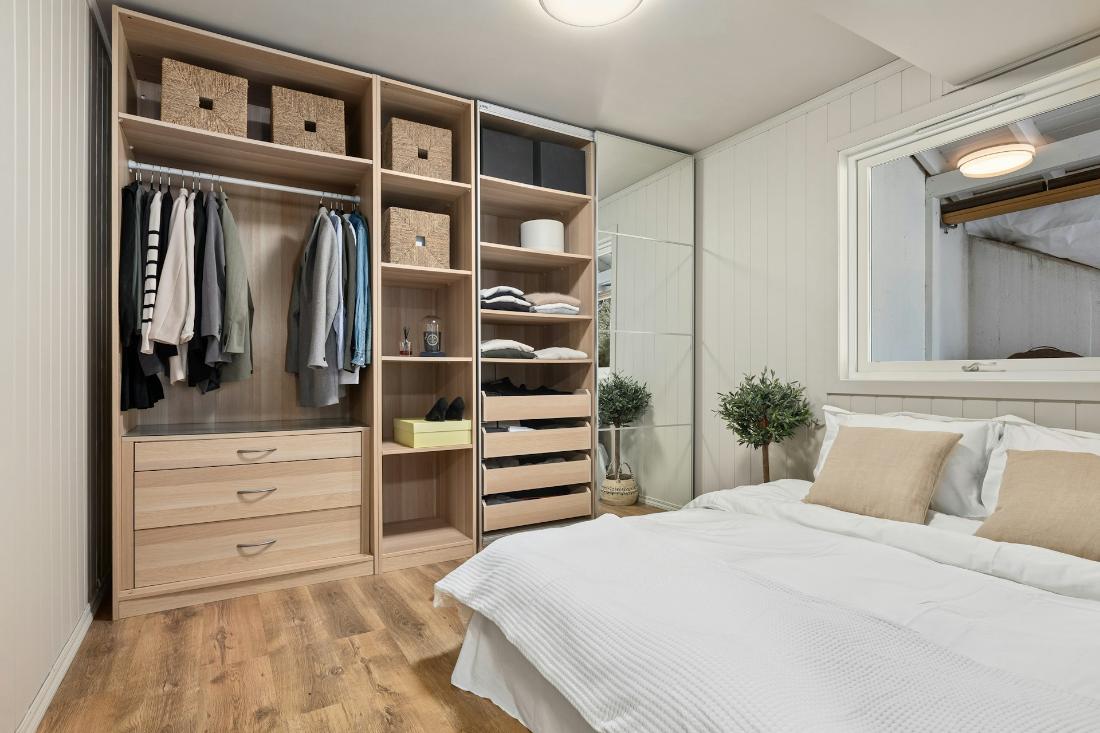
The true genius of a custom wardrobe lies in its internal configuration and ergonomic design, where every centimetre is purposeful. This is where standard furniture fails and customisation excels. Designers employ a principle of zoning, creating dedicated, easily accessible areas for daily essentials while allocating higher or deeper spaces for less-frequently used items like luggage or seasonal clothing. They will specify a mix of hanging rods at different heights—short for shirts and blouses, long for dresses and coats. They will incorporate pull-out trouser racks, tiered shoe shelves, and velvet-lined drawers with dividers for jewellery and sunglasses. For folded items, they design shelves at depths that prevent stacks from toppling over. Accessibility is key; full-extension, soft-close drawer runners ensure even the contents at the very back are within easy reach, while rotating tie racks or pull-down hanging rods can bring high storage to hand level. This intelligent layout transforms the chore of searching for an item into a simple act of retrieval, bringing a sense of calm efficiency to the start and end of each day.
While the interior is a feat of functional engineering, the exterior of the wardrobe is its public face, a major contributor to the room’s overall aesthetic. Here, the homeowner has complete creative control. The choice of door style sets the tone: sleek, handle-less push-to-open doors for a minimalist, modern look; Shaker-style panel doors for a timeless, classic feel; or mirrored doors to visually expand a smaller room and serve a practical purpose. The material palette is vast and can be mixed. Laminated finishes in wood grains, matte colours, or high-gloss lacquers offer durability and a wide range of styles. For a touch of luxury and natural warmth, real wood veneers like oak, walnut, or maple are used, each grain pattern unique. More contemporary designs might incorporate glass inserts, leather panels, or even fabric-covered doors. The hardware—the handles or knobs—acts as the jewellery of the piece, offering a final point of customisation. This ability to dictate every visual detail ensures the wardrobe does not just fit the room physically, but becomes an integral, harmonious part of its design narrative, reflecting the homeowner’s personal taste.
In a nation where space is a premium, the custom wardrobe specialist is also a master of innovation, integrating solutions that multiply functionality. A common request is for a wardrobe to also serve as a partition wall, elegantly dividing a studio apartment’s sleeping and living areas while providing storage from both sides. Others incorporate a hidden pull-down ironing board, a built-in safe, or dedicated compartments for laundry baskets. For those who work from home, a section of the wardrobe can be designed to discreetly conceal a small home office setup, with a fold-down desk and cable management, allowing the work zone to vanish at the end of the day. The most advanced projects integrate lighting—motion-sensor-activated LED strips inside drawers and cabinets, or ambient lighting within display niches—which is not only luxurious but immensely practical. These intelligent integrations demonstrate that a modern wardrobe is a dynamic piece of furniture, actively contributing to the organisation and versatility of the living space.
While the interior is a feat of functional engineering, the exterior of the wardrobe is its public face, a major contributor to the room’s overall aesthetic. Here, the homeowner has complete creative control. The choice of door style sets the tone: sleek, handle-less push-to-open doors for a minimalist, modern look; Shaker-style panel doors for a timeless, classic feel; or mirrored doors to visually expand a smaller room and serve a practical purpose. The material palette is vast and can be mixed. Laminated finishes in wood grains, matte colours, or high-gloss lacquers offer durability and a wide range of styles. For a touch of luxury and natural warmth, real wood veneers like oak, walnut, or maple are used, each grain pattern unique. More contemporary designs might incorporate glass inserts, leather panels, or even fabric-covered doors. The hardware—the handles or knobs—acts as the jewellery of the piece, offering a final point of customisation. This ability to dictate every visual detail ensures the wardrobe does not just fit the room physically, but becomes an integral, harmonious part of its design narrative, reflecting the homeowner’s personal taste.
In a nation where space is a premium, the custom wardrobe specialist is also a master of innovation, integrating solutions that multiply functionality. A common request is for a wardrobe to also serve as a partition wall, elegantly dividing a studio apartment’s sleeping and living areas while providing storage from both sides. Others incorporate a hidden pull-down ironing board, a built-in safe, or dedicated compartments for laundry baskets. For those who work from home, a section of the wardrobe can be designed to discreetly conceal a small home office setup, with a fold-down desk and cable management, allowing the work zone to vanish at the end of the day. The most advanced projects integrate lighting—motion-sensor-activated LED strips inside drawers and cabinets, or ambient lighting within display niches—which is not only luxurious but immensely practical. These intelligent integrations demonstrate that a modern wardrobe is a dynamic piece of furniture, actively contributing to the organisation and versatility of the living space.
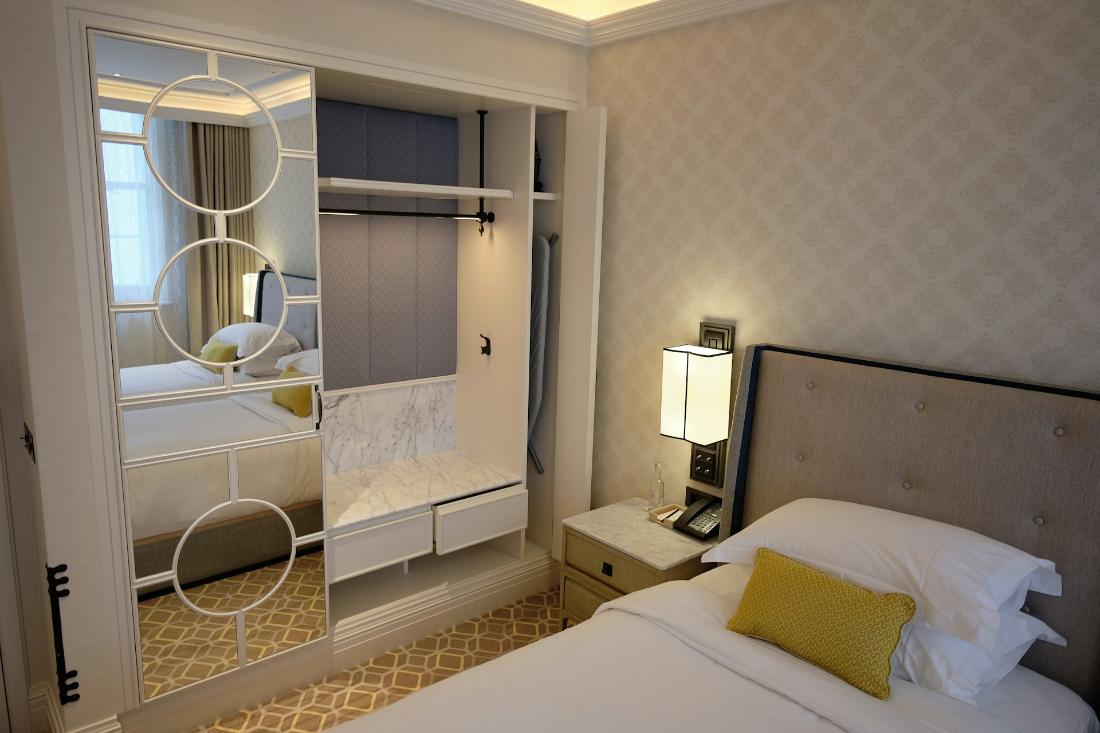
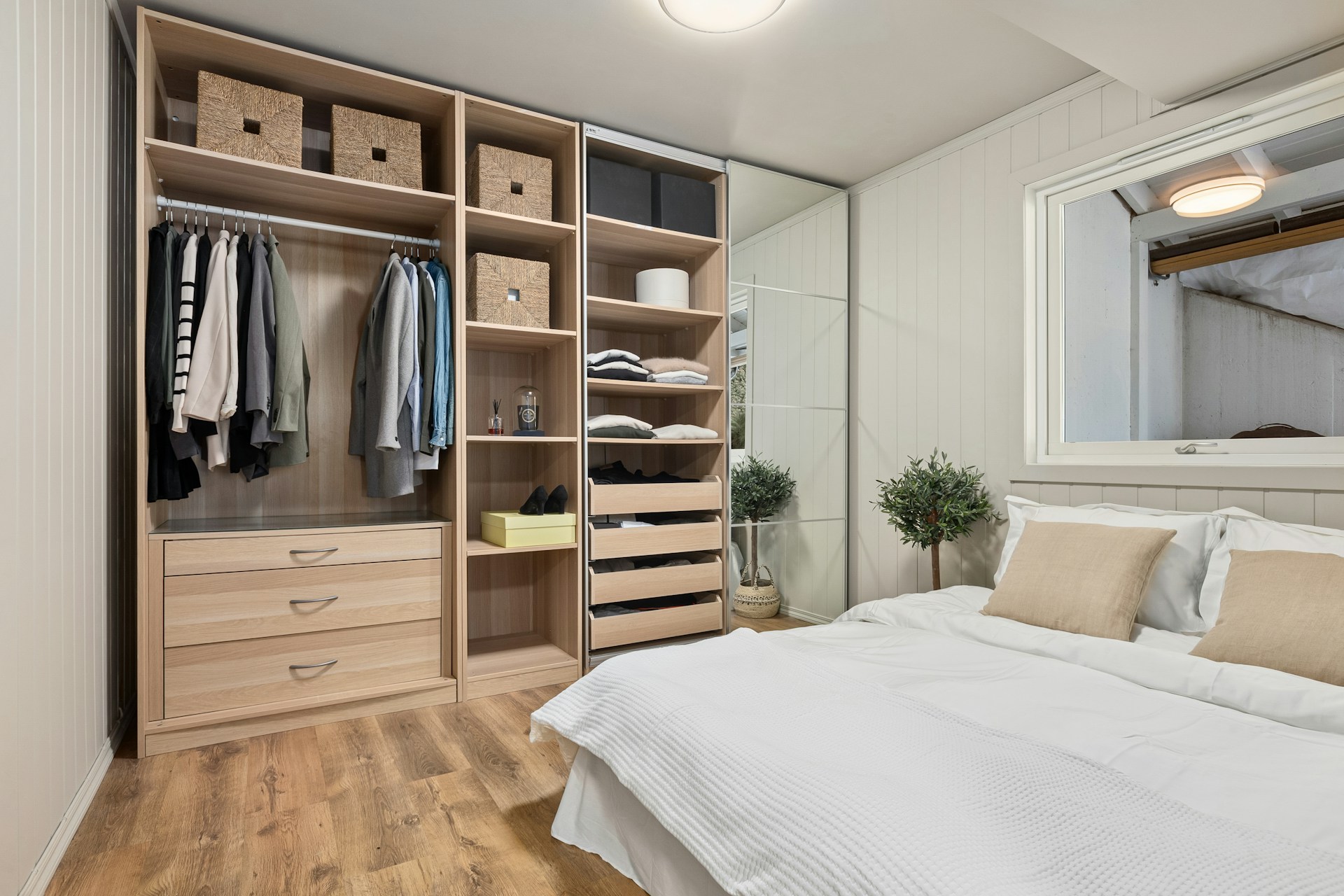
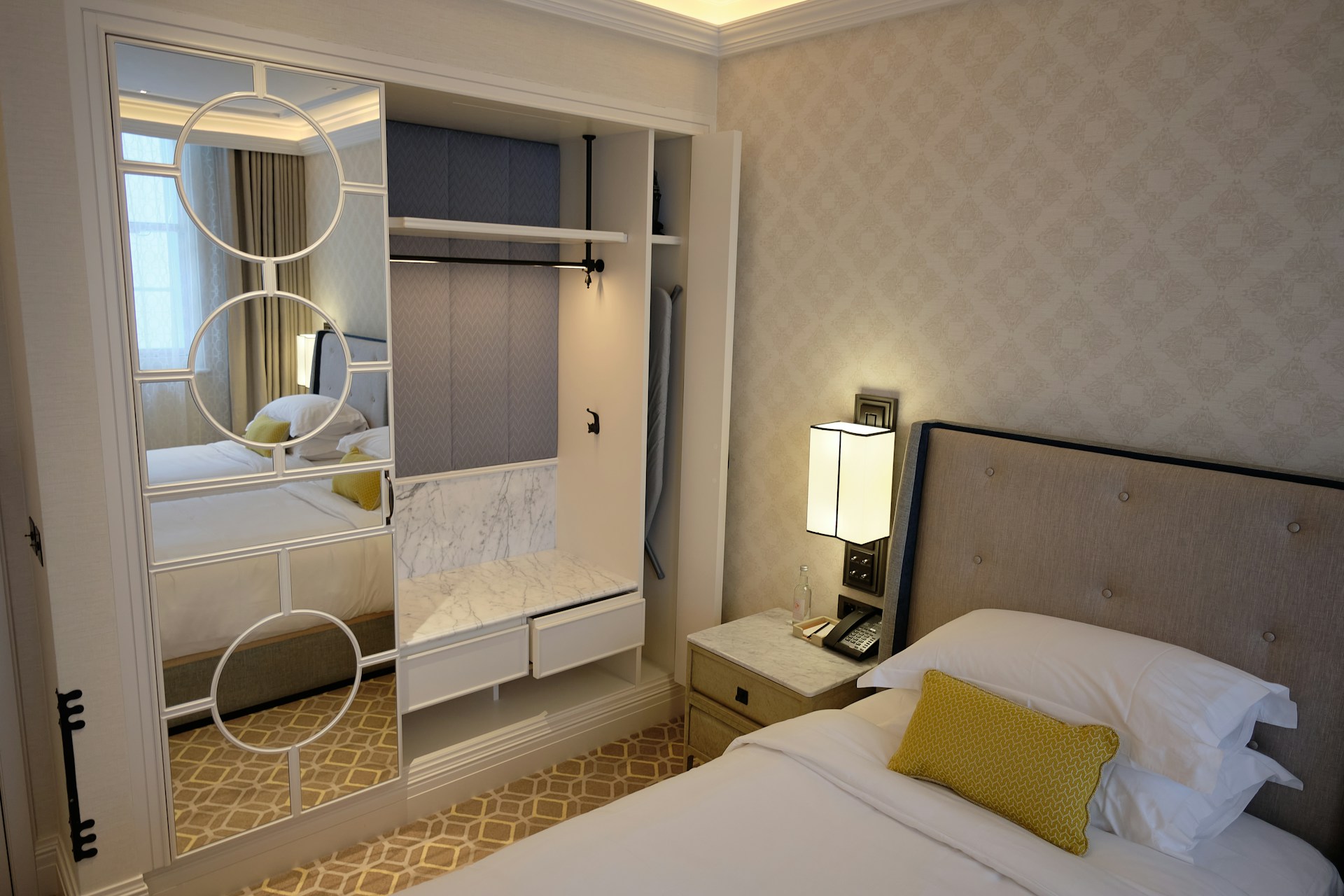
The choice of materials and construction quality is where the promise of “custom-made” translates into decades of daily use. A reputable maker will distinguish between the core carcass material—often high-density particle board (HDF/MDF) for stability, or plywood for greater strength—and the decorative outer finishes. They will discuss the importance of edge banding on all exposed board edges to prevent moisture ingress and ensure a clean look. The hardware selected is paramount; full-extension drawer runners, soft-close hinges, and robust hanging systems from reputable brands like Blum or Hettich are the unsung heroes that guarantee smooth, silent, and reliable operation year after year. In Malaysia’s humidity, attention to these details is critical to prevent warping, sagging, or mechanical failure. A true craftsman views the wardrobe as an heirloom-quality piece, built not for a few years, but for a lifetime of service, using techniques and materials that withstand the test of time and climate.
Ultimately, the value of a custom-made wardrobe in Malaysia transcends its storage capacity. It is an investment in psychological well-being and the efficient management of a household. The constant visual clutter of a disorganised wardrobe contributes to subconscious stress, while a serene, ordered space promotes a sense of calm and control. It saves precious time each day, reduces the wear and tear on clothing from poor storage, and can even help individuals curate their possessions more mindfully. For families, it teaches organizational habits and simplifies daily routines. The process itself, from creative collaboration to the final reveal of a perfectly fitted, beautifully finished piece, is deeply rewarding. It results in a profound sense of ownership and satisfaction—the knowledge that this central piece of furniture was imagined, designed, and built for you alone. In a world of mass-produced items, the custom-made wardrobe stands as a highly personal artifact, a daily reminder that our living spaces can and should be moulded to support and reflect the unique individuals we are, crafting order and beauty from the inside out.
Ultimately, the value of a custom-made wardrobe in Malaysia transcends its storage capacity. It is an investment in psychological well-being and the efficient management of a household. The constant visual clutter of a disorganised wardrobe contributes to subconscious stress, while a serene, ordered space promotes a sense of calm and control. It saves precious time each day, reduces the wear and tear on clothing from poor storage, and can even help individuals curate their possessions more mindfully. For families, it teaches organizational habits and simplifies daily routines. The process itself, from creative collaboration to the final reveal of a perfectly fitted, beautifully finished piece, is deeply rewarding. It results in a profound sense of ownership and satisfaction—the knowledge that this central piece of furniture was imagined, designed, and built for you alone. In a world of mass-produced items, the custom-made wardrobe stands as a highly personal artifact, a daily reminder that our living spaces can and should be moulded to support and reflect the unique individuals we are, crafting order and beauty from the inside out.