Structure
Should You Renovate or Rebuild Your House in Malaysia?
Oct 5 2026
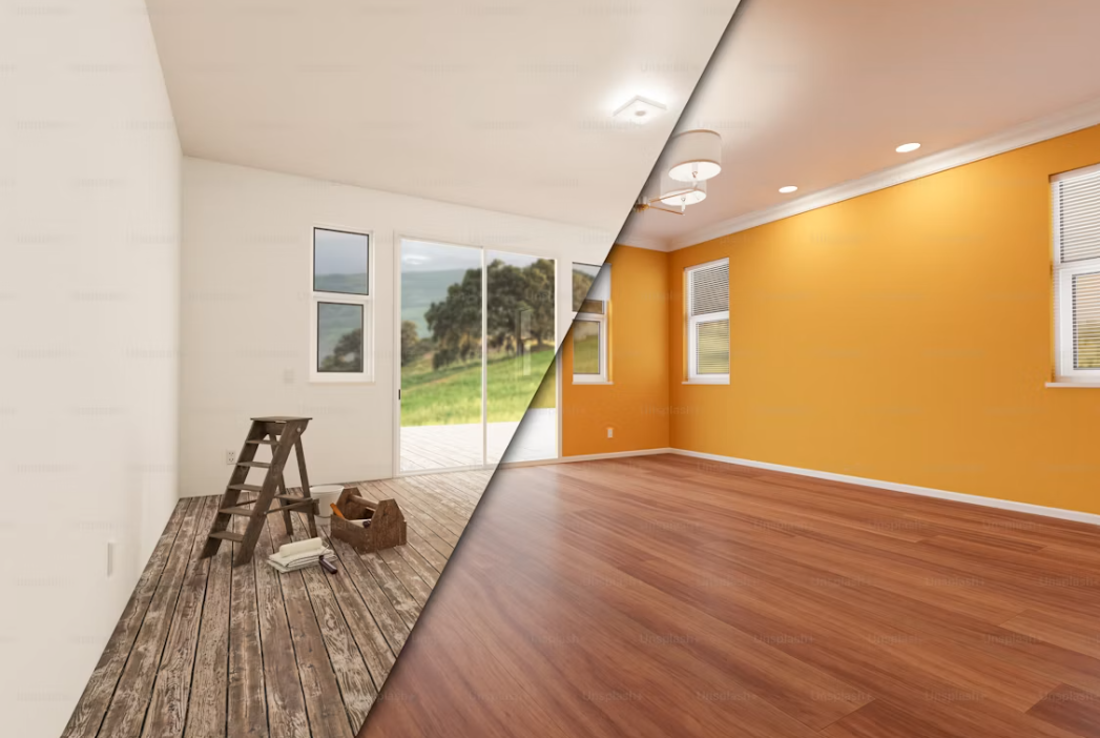
Not sure whether to renovate or rebuild your house in Malaysia? Here's what homeowners need to know before making a costly decision.
For many Malaysian homeowners, there comes a point where the house just does not feel right anymore. Maybe the roof is leaking again, the layout feels outdated, or the structure has quietly aged beyond what a coat of paint can fix. At that crossroads, the big question surfaces: should you renovate or rebuild your house? It is not a decision to rush, and the right answer depends on more than just your budget.
For many Malaysian homeowners, there comes a point where the house just does not feel right anymore. Maybe the roof is leaking again, the layout feels outdated, or the structure has quietly aged beyond what a coat of paint can fix. At that crossroads, the big question surfaces: should you renovate or rebuild your house? It is not a decision to rush, and the right answer depends on more than just your budget.
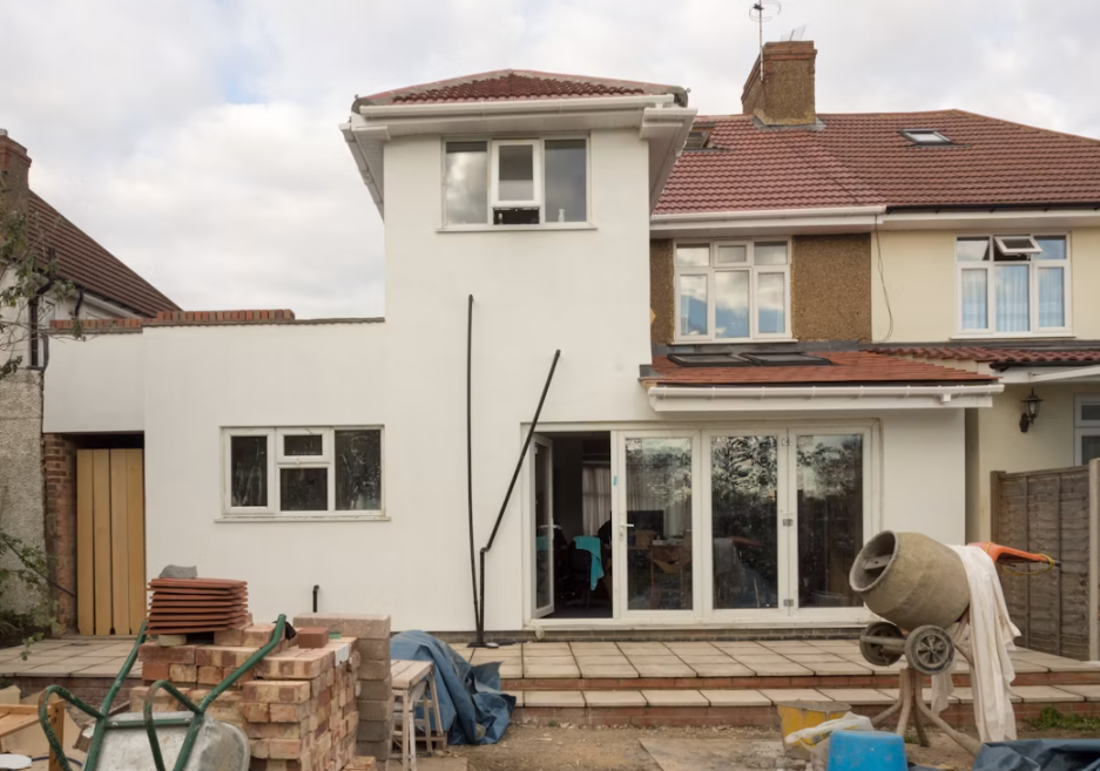
Renovate or Rebuild Your House in Malaysia — Understanding the Core Difference
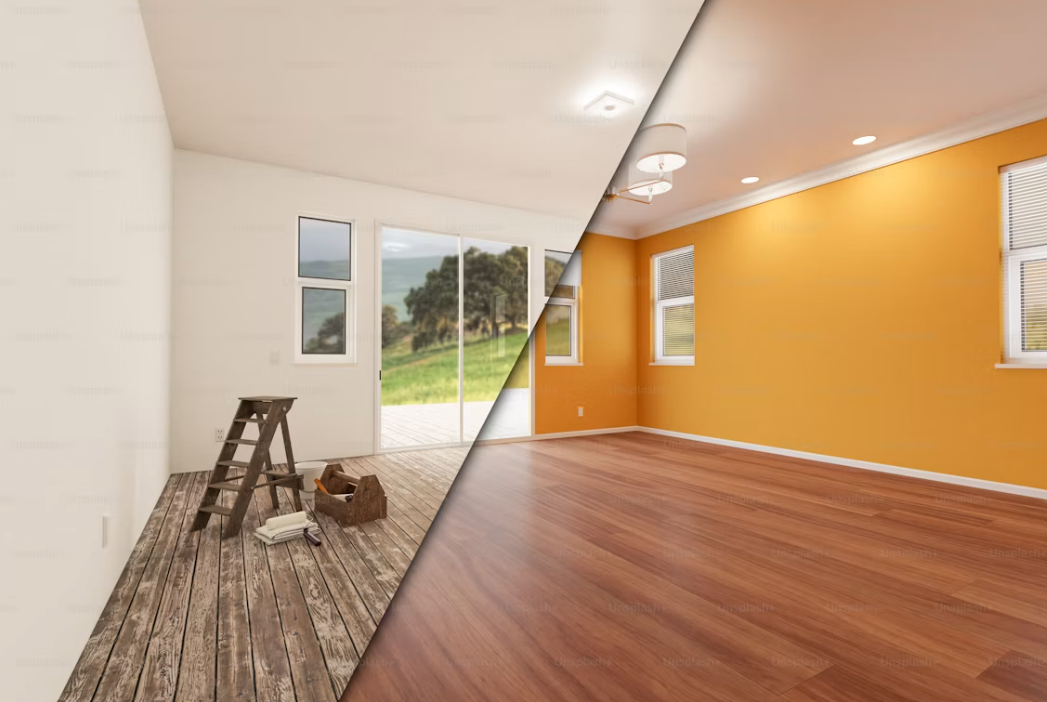
Renovation means improving, repairing, or upgrading an existing structure while keeping its bones largely intact. Rebuilding, on the other hand, means tearing down what exists and starting completely from scratch. Both paths can lead to a home you love — but they come with very different timelines, costs, disruptions, and outcomes.
In Malaysia, this decision is further shaped by local building regulations, land title types, and the condition of older terrace or semi-detached homes that may be decades old. What works for a bungalow in Kuala Lumpur's suburbs may not apply to a kampung house in Perak or a shophouse in Penang. Context matters.
When Renovating Your House Makes More Sense
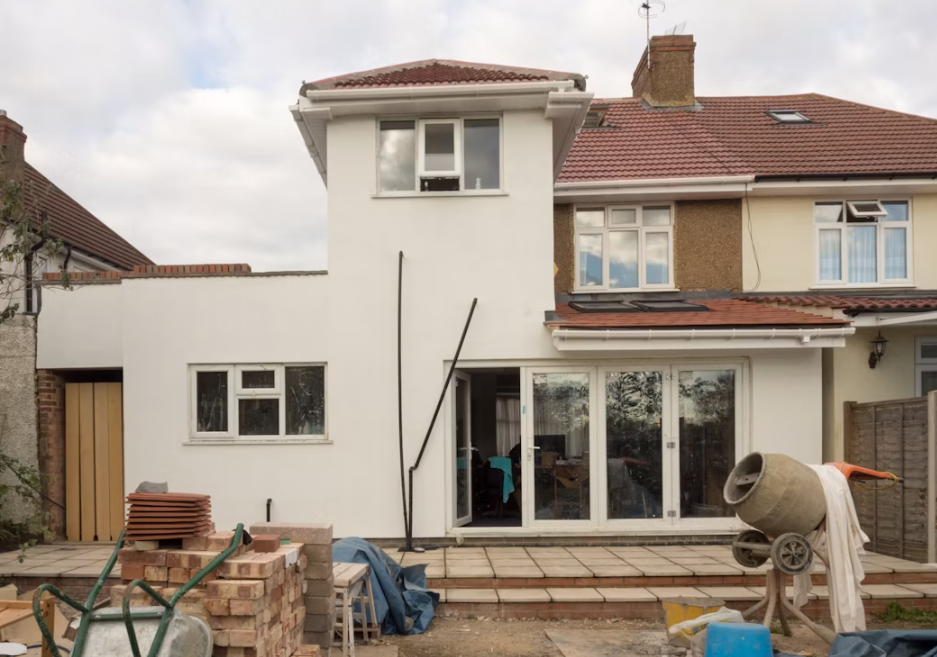
Renovation tends to be the smarter choice when the existing structure is fundamentally sound. If your home's foundation, load-bearing walls, and roofing framework are still in good condition, there is real value in preserving them. Full rebuilds are expensive and time-consuming, so if targeted upgrades can achieve the same goal, renovation is usually the more practical route.
The Structure Is Still Solid
A house that was built 20 to 30 years ago but has been maintained well may only need modern finishing touches — updated flooring, a kitchen remodel, new bathrooms, or better lighting. In cases like these, renovation can dramatically improve quality of life without the disruption of a full demolition.
Budget Constraints Are Real
Renovation generally costs less than rebuilding, though this depends heavily on the scope of work. In Malaysia, light to moderate renovations for a landed home can range from RM30,000 to RM150,000 or more, while a full rebuild can easily exceed RM300,000 to RM500,000 depending on the size, materials, and contractor. If your finances are not ready for a rebuild, a well-planned renovation can bridge the gap meaningfully.
Sentimental and Heritage Value
Some homes carry a history that goes beyond resale value. Family homes that have been passed down through generations, or properties with traditional architecture, often deserve preservation rather than demolition. In Malaysia, older heritage-style homes — particularly in states like Melaka, Penang, and Ipoh — can hold cultural and emotional significance that makes rebuilding feel like a loss.
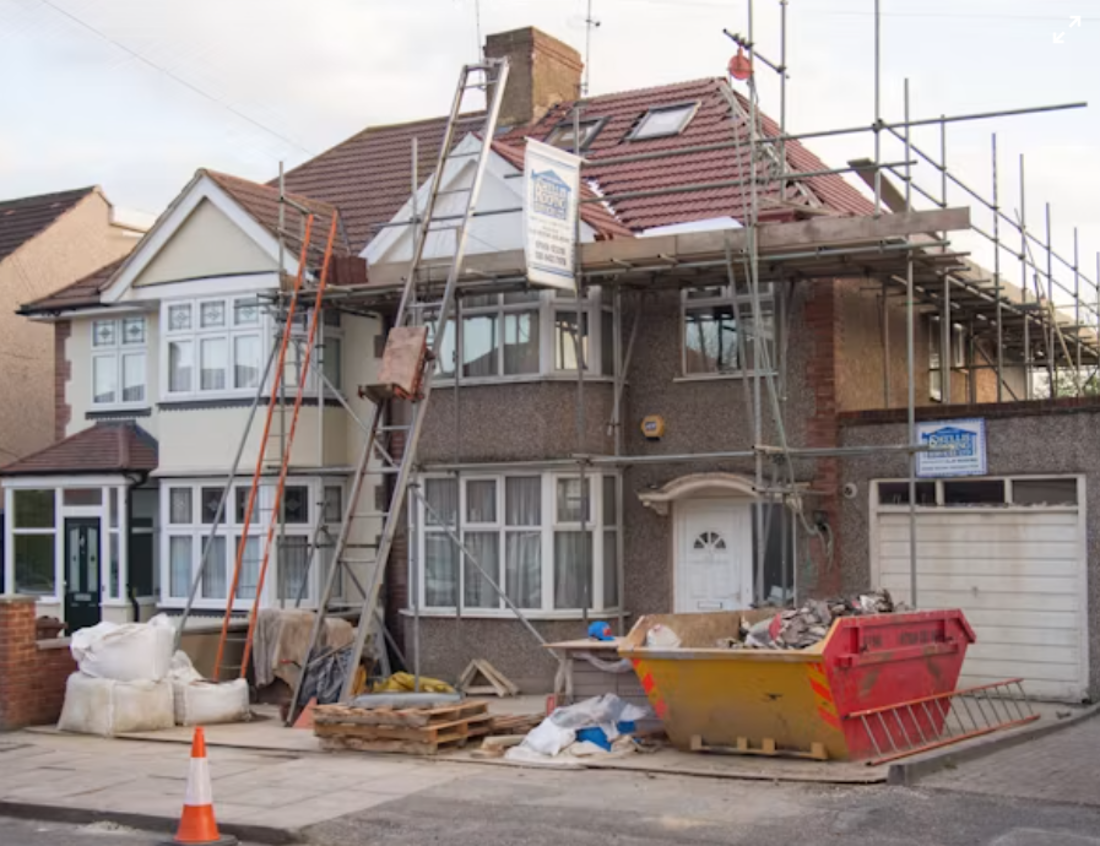
When Rebuilding Your House Is the Better Decision
There are moments, however, when no amount of renovation will solve the underlying problem. Rebuilding becomes the more logical choice when the existing structure has reached a point where continuing to repair it is simply throwing money at a deteriorating foundation.
Serious Structural Issues
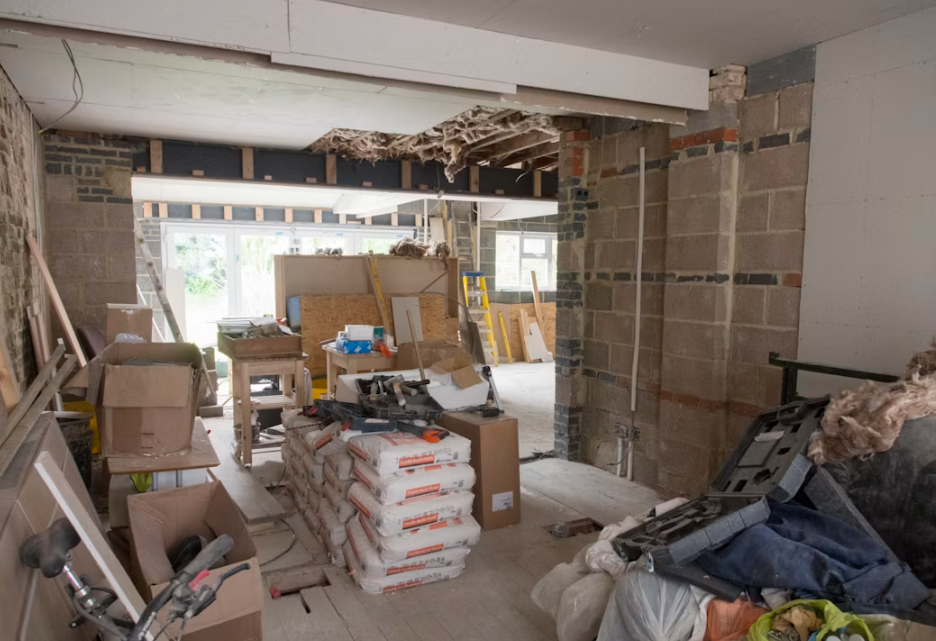
Cracks in the foundation, severe water damage, termite infestation throughout the timber structure, or a roof frame that has weakened beyond repair — these are signs that renovation is putting good money after bad. A licensed structural engineer or a qualified contractor can give you an honest assessment of whether the bones of your home are worth saving.
The Layout No Longer Works
Older Malaysian homes were often built to suit the lifestyle and family sizes of a different era. A home with small, enclosed rooms may no longer serve a growing family that values open-plan living. When the entire floor plan needs to change, rebuilding gives you the freedom to design from the ground up — including optimising for natural ventilation, which is particularly important in Malaysia's hot and humid climate.
Long-Term Investment Thinking
If you own the land and plan to stay for the long haul, rebuilding can be a smarter investment. A newly constructed home will require less maintenance for years to come, can incorporate modern building materials, and can be designed to current energy efficiency standards. Over a 20 to 30-year period, the upfront cost of rebuilding often balances out.
Key Factors to Consider Before You Decide
Before committing to either path, there are several practical questions every Malaysian homeowner should work through carefully.
Get a professional assessment first. Before making any financial commitment, have a qualified contractor or structural engineer inspect the property. What looks like a cosmetic issue from the outside may point to something more serious underneath.
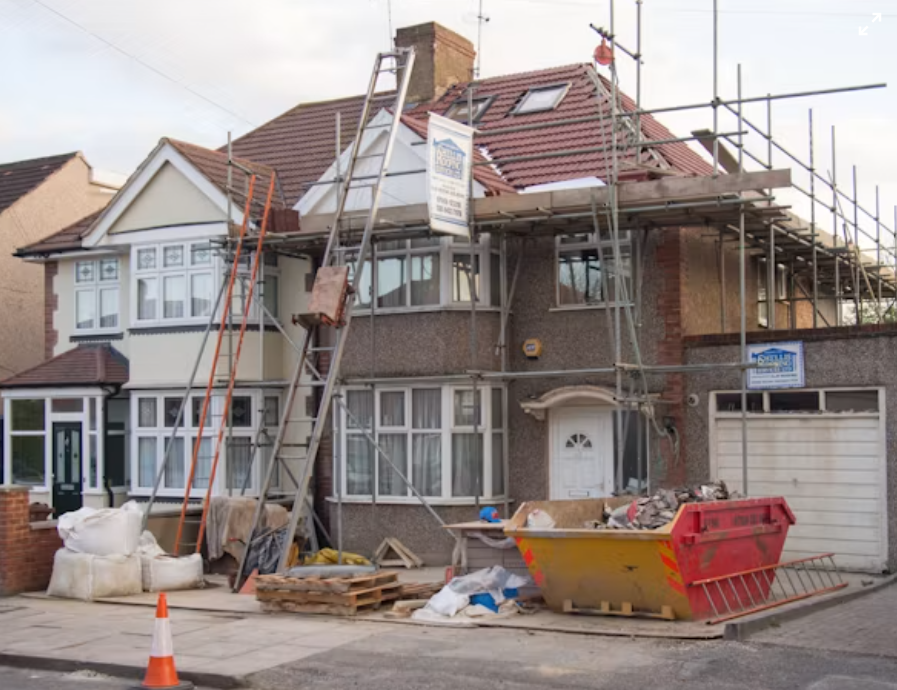
Check your local authority requirements. In Malaysia, both renovations and new builds require permits from the local council or Pihak Berkuasa Tempatan (PBT). Certain renovation works — especially those involving structural changes, extensions, or electrical upgrades — require approved drawings and licensed contractors. Rebuilding requires full planning approval and may also involve BOMBA compliance for fire safety.
Consider where you will live during the works. Renovation can sometimes be done in phases, allowing you to remain in the home. A full rebuild means relocating entirely for the duration of construction, which adds to your overall cost and planning.
Think about resale value. If you are not planning to stay forever, consider how the decision affects future buyers. A well-rebuilt home on a freehold piece of land in a good location will almost always be easier to sell than an extensively patched-up older property.
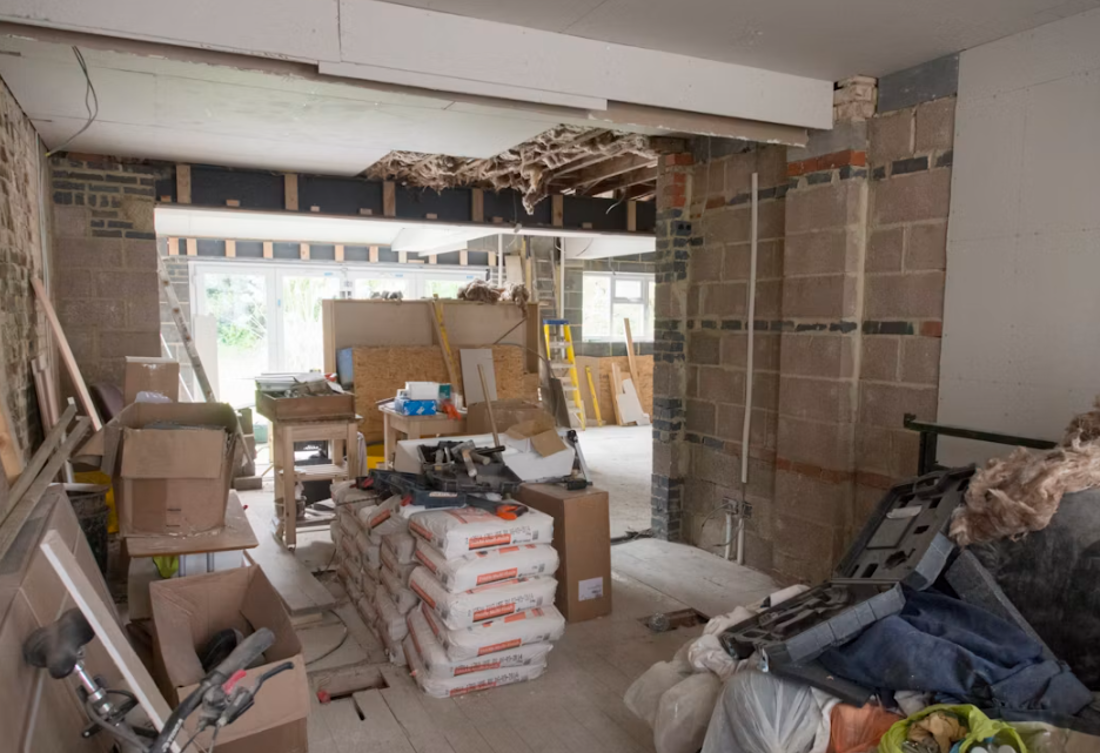
Making the Right Call for Your Home
There is no single answer that fits every household. Renovating or rebuilding your house in Malaysia is ultimately a decision shaped by your current structure, your budget, your lifestyle needs, and your long-term goals. What matters most is approaching the decision with clear information, honest professional advice, and a realistic sense of what each path will actually cost — in money, time, and effort.
If you are still weighing both options, speaking to a licensed contractor or construction consultant is always a worthwhile first step. The right professional will help you see your home for what it truly is — and what it could become.
FAQ
Q: Is it cheaper to renovate or rebuild a house in Malaysia?
Renovation is generally cheaper upfront, but if the scope of work is extensive due to structural problems, rebuilding can actually be more cost-effective in the long run. Always get a detailed quotation and structural assessment before deciding.
Q: Do I need permits to renovate or rebuild my house in Malaysia?
Yes. Both renovation and rebuilding work require approval from your local council. Structural changes, extensions, and new builds all need submitted plans by a registered professional and relevant permits before work begins.
Q: How long does it take to rebuild a house in Malaysia?
A full rebuild for a typical landed home in Malaysia generally takes between 12 to 24 months, depending on the size of the property, design complexity, and contractor capacity. Renovation timelines vary widely depending on the scope of work involved.