Structure
Timber Flooring Contractor in Malaysia
Jan 30 2026

There is a particular feeling of home that arrives with the first step onto a timber floor. It is a sensation of instant connection—a subtle warmth underfoot, a gentle give, a quiet, solid resonance that feels utterly different from the cool, hard echo of tile or stone. In Malaysia, where the climate often drives design towards cold, moisture-resistant surfaces, the choice of timber flooring is a profound declaration of comfort and character. It speaks to a desire for natural beauty, organic texture, and an enduring sense of sanctuary. However, installing wood in a land defined by humidity and heat is a venture that demands more than just carpentry skills. It requires the deep, nuanced expertise of a specialist timber flooring contractor. This professional is not merely a fitter of planks; they are a guardian of wood, a master of microclimates, and an artisan who understands how to make a living, breathing material thrive in a demanding environment.
The journey of a timber floor in a Malaysian home begins with a fundamental understanding of wood as a hygroscopic material. Wood breathes. It absorbs and releases moisture from the surrounding air, expanding when humidity is high and contracting when it is low. This is not a flaw; it is its nature. The true expertise of a contractor lies in working with this nature, not against it. The most critical phase of any project happens long before installation: wood acclimatisation. A professional contractor will deliver the timber to the site days or even weeks in advance. They will unwrap the bundles, stack them with spacers to allow air circulation, and let the wood settle into the precise temperature and humidity conditions of the room where it will live. Using a moisture meter, they will monitor the wood’s moisture content until it reaches equilibrium with the subfloor. Rushing this step is the cardinal sin of timber flooring; installing wood that is too dry or too damp for its environment guarantees problems later—gaps, cupping, or buckling as the wood seeks its balance. This patient, scientific approach is the non-negotiable foundation of a successful, stable floor.
Equally crucial is the preparation of the subfloor, the hidden stage upon which the drama of the timber floor will play out. A contractor treats this stage with the gravity of a surgeon preparing an operating theatre. The subfloor, whether concrete or existing timber, must be bone-dry, perfectly level, and impeccably clean. In Malaysia, moisture testing of concrete slabs is paramount. Contractors use plastic sheet tests or electronic moisture meters to ensure the slab’s moisture emission is within acceptable limits for wood installation. Any excess moisture must be addressed with specialised sealants or moisture barriers before proceeding. The subfloor is then levelled using self-levelling compounds to eliminate any dips or rises greater than a few millimetres over a two-metre span. A floor laid over an uneven subfloor will telegraph every imperfection, creating hollow spots, squeaks, and undue stress on the planks. This meticulous, unseen work is what separates a professional installation from one destined for callbacks and complaints.
The journey of a timber floor in a Malaysian home begins with a fundamental understanding of wood as a hygroscopic material. Wood breathes. It absorbs and releases moisture from the surrounding air, expanding when humidity is high and contracting when it is low. This is not a flaw; it is its nature. The true expertise of a contractor lies in working with this nature, not against it. The most critical phase of any project happens long before installation: wood acclimatisation. A professional contractor will deliver the timber to the site days or even weeks in advance. They will unwrap the bundles, stack them with spacers to allow air circulation, and let the wood settle into the precise temperature and humidity conditions of the room where it will live. Using a moisture meter, they will monitor the wood’s moisture content until it reaches equilibrium with the subfloor. Rushing this step is the cardinal sin of timber flooring; installing wood that is too dry or too damp for its environment guarantees problems later—gaps, cupping, or buckling as the wood seeks its balance. This patient, scientific approach is the non-negotiable foundation of a successful, stable floor.
Equally crucial is the preparation of the subfloor, the hidden stage upon which the drama of the timber floor will play out. A contractor treats this stage with the gravity of a surgeon preparing an operating theatre. The subfloor, whether concrete or existing timber, must be bone-dry, perfectly level, and impeccably clean. In Malaysia, moisture testing of concrete slabs is paramount. Contractors use plastic sheet tests or electronic moisture meters to ensure the slab’s moisture emission is within acceptable limits for wood installation. Any excess moisture must be addressed with specialised sealants or moisture barriers before proceeding. The subfloor is then levelled using self-levelling compounds to eliminate any dips or rises greater than a few millimetres over a two-metre span. A floor laid over an uneven subfloor will telegraph every imperfection, creating hollow spots, squeaks, and undue stress on the planks. This meticulous, unseen work is what separates a professional installation from one destined for callbacks and complaints.
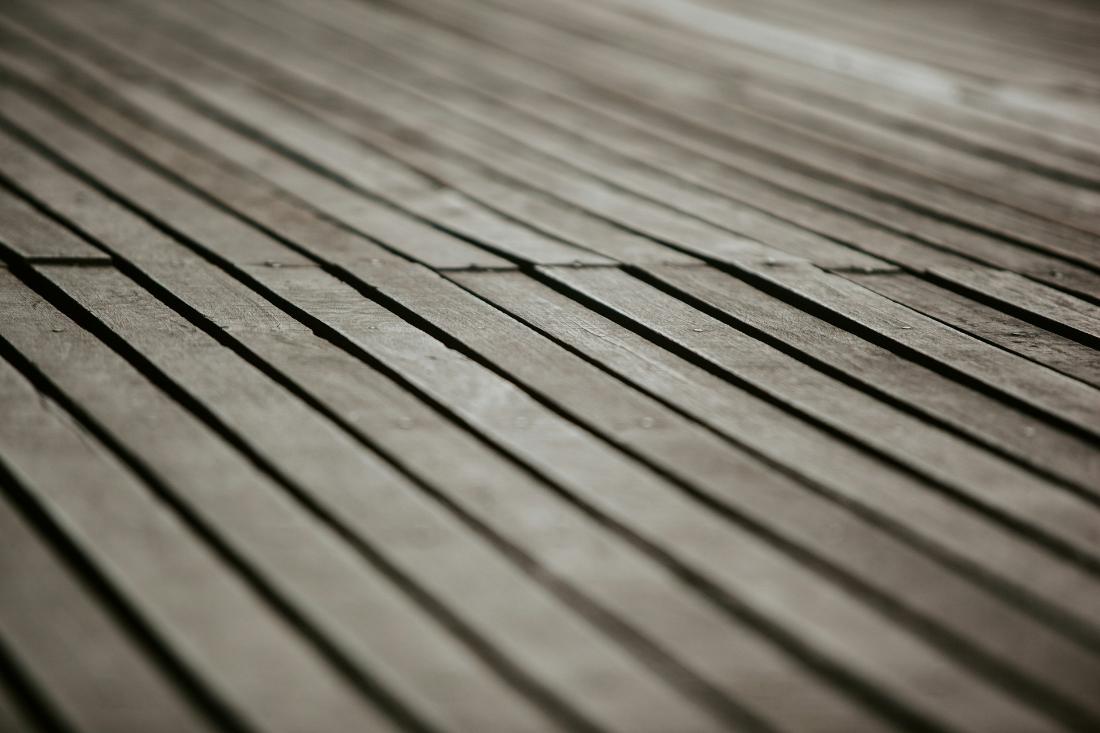
The choice of timber itself is a rich dialogue between aesthetics, performance, and budget, and a knowledgeable contractor is an invaluable guide. They navigate the vast world of species, each with its own personality. Durable local hardwoods like chengal, balau, or merbau are prized for their incredible density, insect resistance, and rich, deep colours that darken beautifully with age. Imported species like oak, maple, or walnut offer different grain patterns, hardness ratings (measured on the Janka scale), and tonal ranges. The contractor explains the practical realities: harder woods resist dents better but can be more challenging to work with; some exotic woods have higher natural oil content, affecting stain absorption. Beyond species, they elucidate the core construction types. Solid hardwood is the gold standard, a full-thickness plank that can be sanded and refinished many times over its lifetime. Engineered wood, with its real wood veneer atop a cross-ply core, offers greater dimensional stability, making it an excellent, often recommended choice for Malaysian conditions, especially for installation over concrete or in areas with higher humidity fluctuations. This consultative role ensures the client’s choice is not just beautiful, but also intelligently matched to their home’s specific environment and lifestyle.
The installation itself is where theory meets craft, and a contractor’s methodology is key. There are three primary techniques, each with its purpose. Nail-down installation is traditional for solid hardwood over a wooden subfloor. The contractor uses a pneumatic nailer to drive nails at an angle through the tongue of each plank, securing it firmly and invisibly. This creates a solid, permanent bond. For engineered wood or installations over concrete, the glue-down method is often employed. A contractor uses a specific flexible adhesive, troweled onto the subfloor, to bond each plank. This method provides excellent stability and a quiet, solid feel underfoot. The third method, the floating floor, is common for engineered wood and some proprietary locking systems. Here, planks are clicked together along their edges but are not fastened to the subfloor; the entire floor “floats” as a single unit over an underlayment. A contractor’s skill ensures the first row is perfectly straight—the guide for the entire room—and that expansion gaps are consistently maintained around the perimeter, hidden later by skirting boards. Each cut around door frames, pipes, or irregular walls is made with precision, ensuring a seamless, custom-fitted appearance.
Finishing the floor—the application of stains, oils, or lacquers—is the final act of protection and enhancement, and a contractor’s expertise here is both technical and artistic. Sanding is the first critical step, performed with industrial sanders to create a flawlessly smooth canvas. The contractor will then present finishing options. Traditional oil-based polyurethanes create a hard, protective shell with a slight amber tint. Modern water-based polyurethanes are clearer, faster-drying, and have lower VOC (volatile organic compound) levels, contributing to better indoor air quality. For a more natural feel that enhances the wood’s grain, hard-wax oils penetrate the surface, offering protection while maintaining a matte, tactile finish. The contractor’s role is to manage the environment during this phase, ensuring optimal humidity and temperature for curing, and applying multiple thin coats for a durable, beautiful surface that will withstand years of Malaysian family life.
The installation itself is where theory meets craft, and a contractor’s methodology is key. There are three primary techniques, each with its purpose. Nail-down installation is traditional for solid hardwood over a wooden subfloor. The contractor uses a pneumatic nailer to drive nails at an angle through the tongue of each plank, securing it firmly and invisibly. This creates a solid, permanent bond. For engineered wood or installations over concrete, the glue-down method is often employed. A contractor uses a specific flexible adhesive, troweled onto the subfloor, to bond each plank. This method provides excellent stability and a quiet, solid feel underfoot. The third method, the floating floor, is common for engineered wood and some proprietary locking systems. Here, planks are clicked together along their edges but are not fastened to the subfloor; the entire floor “floats” as a single unit over an underlayment. A contractor’s skill ensures the first row is perfectly straight—the guide for the entire room—and that expansion gaps are consistently maintained around the perimeter, hidden later by skirting boards. Each cut around door frames, pipes, or irregular walls is made with precision, ensuring a seamless, custom-fitted appearance.
Finishing the floor—the application of stains, oils, or lacquers—is the final act of protection and enhancement, and a contractor’s expertise here is both technical and artistic. Sanding is the first critical step, performed with industrial sanders to create a flawlessly smooth canvas. The contractor will then present finishing options. Traditional oil-based polyurethanes create a hard, protective shell with a slight amber tint. Modern water-based polyurethanes are clearer, faster-drying, and have lower VOC (volatile organic compound) levels, contributing to better indoor air quality. For a more natural feel that enhances the wood’s grain, hard-wax oils penetrate the surface, offering protection while maintaining a matte, tactile finish. The contractor’s role is to manage the environment during this phase, ensuring optimal humidity and temperature for curing, and applying multiple thin coats for a durable, beautiful surface that will withstand years of Malaysian family life.

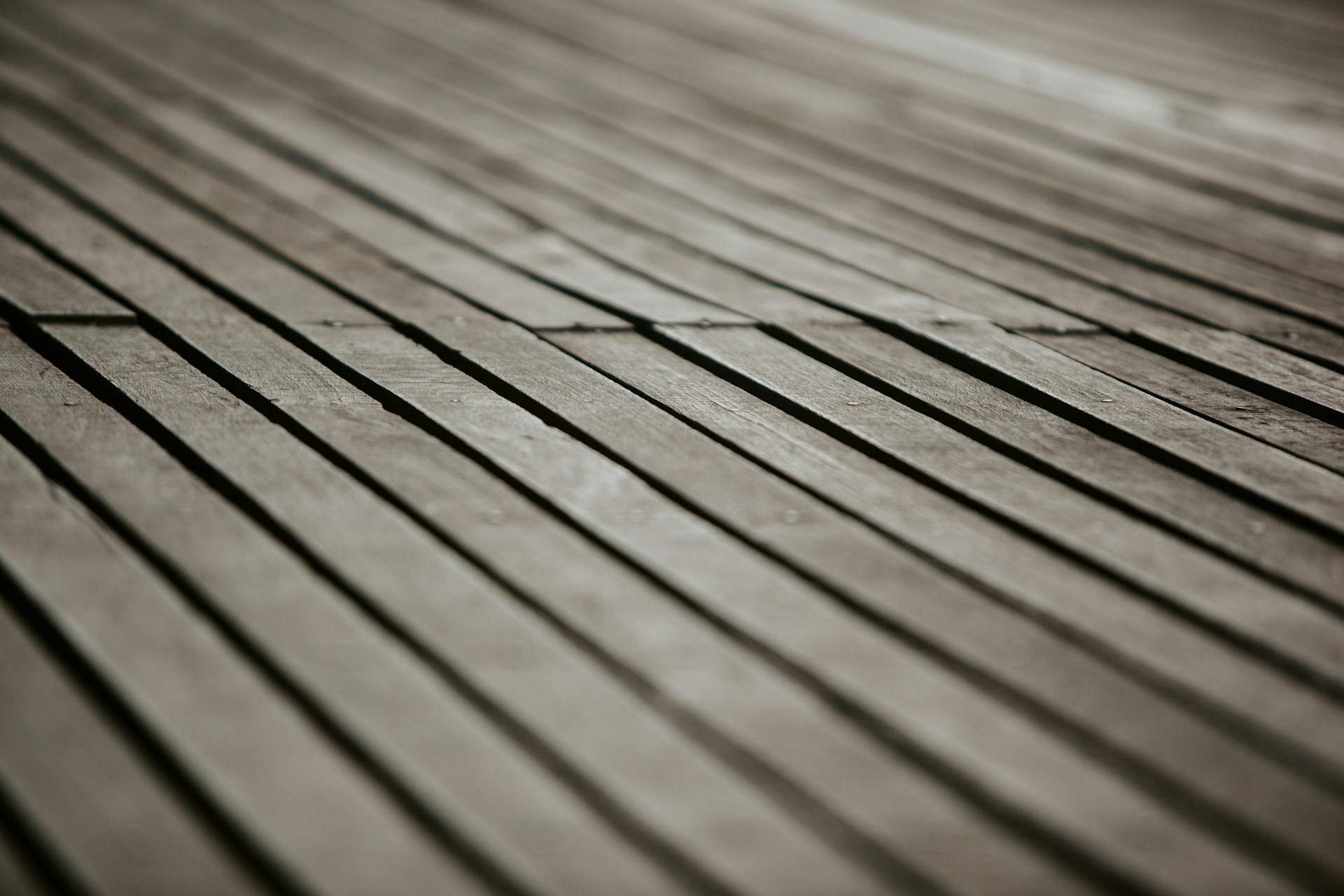
Beyond new installation, a timber flooring contractor’s craft extends to the vital arts of restoration, repair, and maintenance. Over time, even the best floors show wear. A specialist contractor can perform miracles of renewal. For a scratched or dulled floor, they offer professional sanding and refinishing, stripping the old finish back to bare wood and applying a new protective coat, making the floor look brand new. They can replace individual damaged planks with near-invisible results, blend in repaired sections, and address specific issues like squeaks or minor cupping. Furthermore, they provide clients with essential guidance on long-term care: using felt pads under furniture, avoiding excessive water during cleaning, and maintaining a consistent indoor humidity level with dehumidifiers or air conditioning to minimize the wood’s seasonal movement. This ongoing partnership helps preserve the floor’s beauty and value for decades.
Ultimately, partnering with a professional timber flooring contractor in Malaysia is an investment in enduring quality and daily joy. Wood is a significant, long-term investment in a home’s character. An amateur installation or the use of poorly acclimatised materials leads to a litany of problems—persistent squeaks, gaps that collect dirt, buckling planks, and premature wear—that undermine the very beauty and comfort sought. A specialist contractor provides a holistic service. They guide species selection for the local climate, execute meticulous site preparation and installation, apply durable, appropriate finishes, and offer expert aftercare. They understand that they are not just installing a product; they are integrating a living element into a home. They ensure that this element, with all its warmth, beauty, and soul, is given the best possible foundation to age gracefully, becoming not just a floor, but a cherished and defining feature of the Malaysian home for generations to come.
Ultimately, partnering with a professional timber flooring contractor in Malaysia is an investment in enduring quality and daily joy. Wood is a significant, long-term investment in a home’s character. An amateur installation or the use of poorly acclimatised materials leads to a litany of problems—persistent squeaks, gaps that collect dirt, buckling planks, and premature wear—that undermine the very beauty and comfort sought. A specialist contractor provides a holistic service. They guide species selection for the local climate, execute meticulous site preparation and installation, apply durable, appropriate finishes, and offer expert aftercare. They understand that they are not just installing a product; they are integrating a living element into a home. They ensure that this element, with all its warmth, beauty, and soul, is given the best possible foundation to age gracefully, becoming not just a floor, but a cherished and defining feature of the Malaysian home for generations to come.