Structure
Contractor with Innovation in Malaysia
Jan 26 2026
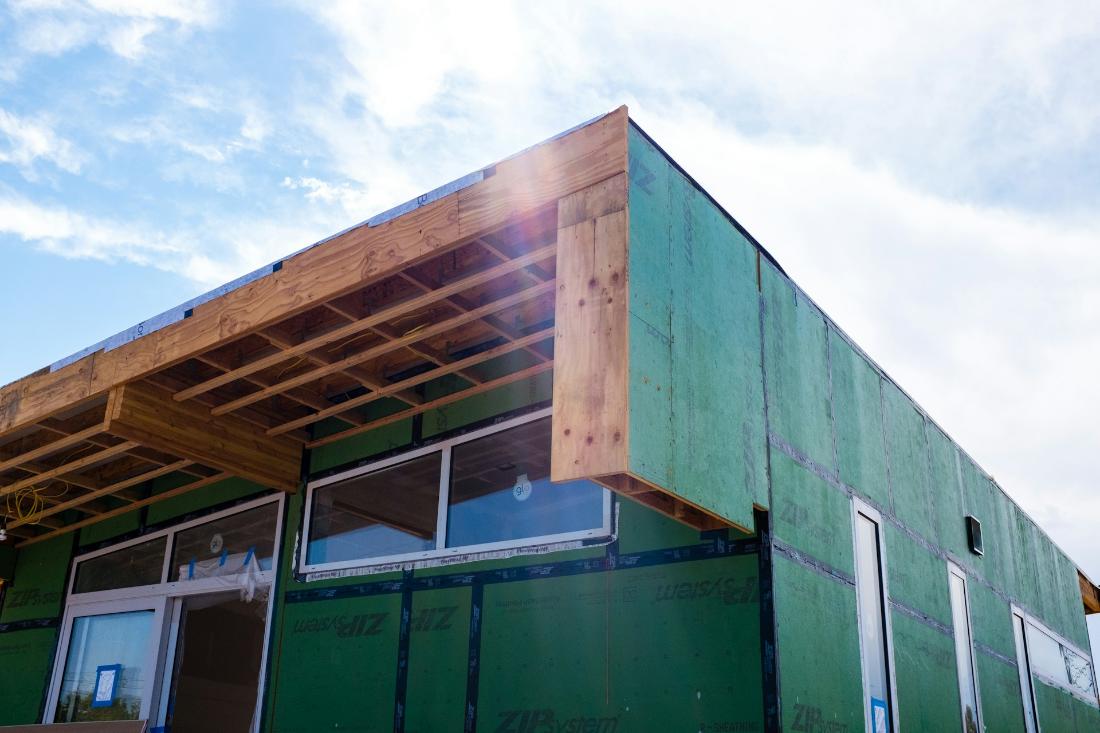
The iconic image of construction in Malaysia—the cacophony of jackhammers, the clouds of dust, the symphony of shouted instructions over roaring machinery—is being quietly, but irrevocably, redesigned. A new breed of contractor is emerging, one who understands that in an era of complex projects, skilled labour shortages, and urgent sustainability goals, the old ways are no longer sufficient. These are the contractors with innovation embedded in their operational DNA. They are not merely adopters of new tools; they are holistic re-imaginers of the building process itself. They leverage technology not as a gimmick, but as a core strategy to enhance precision, safety, and collaboration, while fundamentally rethinking their approach to materials, waste, and environmental impact. To be an innovative contractor in Malaysia today is to be a master of integration, blending the time-tested wisdom of construction with the transformative power of digital and industrial innovation to build a smarter, greener, and more resilient future.
At the heart of this transformation is the digital thread that now runs through the entire project lifecycle, beginning with Building Information Modeling (BIM). For the innovative contractor, BIM is far more than a sophisticated 3D drawing tool. It is a dynamic, data-rich collaboration platform. They use it to create a digital twin of the project before the first foundation is poured. This allows for advanced clash detection, where potential conflicts between structural beams, ductwork, and plumbing are identified and resolved virtually, preventing costly and time-consuming rework on-site. BIM models enable precise quantity take-offs, leading to accurate material ordering that minimises waste. They are used to plan construction sequences with surgical precision, simulating logistics and crane movements. On-site, foremen and workers access these models on tablets, viewing up-to-date plans and specifications, which reduces errors and improves communication. This digital backbone transforms the construction process from a linear, often disjointed series of tasks into a synchronised, data-driven orchestra, where every stakeholder works from a single source of truth.
This digital planning seamlessly transitions into the physical realm through the strategic adoption of Industrialised Building Systems (IBS). Innovation here is about shifting value from the chaotic construction site to the controlled factory environment. An innovative contractor partners with or operates prefabrication facilities where building components—wall panels, bathroom pods, mechanical duct assemblies, even entire room modules—are manufactured with machine precision. These components are then transported to site for rapid assembly, like a sophisticated kit of parts. The benefits are profound. Factory conditions guarantee superior quality control, free from weather disruptions. On-site construction time can be slashed by 30-50%, reducing financing costs and enabling faster project delivery. There is a dramatic reduction in construction waste, noise, and dust pollution at the site, a significant consideration in dense urban areas. It also shifts the workforce demand towards skilled technicians in factories, offering more stable, safer, and technologically engaging careers, which is crucial for attracting a new generation to the industry. For the innovative contractor, IBS is not just a construction method; it is a philosophy of manufacturing for quality, efficiency, and sustainability.
At the heart of this transformation is the digital thread that now runs through the entire project lifecycle, beginning with Building Information Modeling (BIM). For the innovative contractor, BIM is far more than a sophisticated 3D drawing tool. It is a dynamic, data-rich collaboration platform. They use it to create a digital twin of the project before the first foundation is poured. This allows for advanced clash detection, where potential conflicts between structural beams, ductwork, and plumbing are identified and resolved virtually, preventing costly and time-consuming rework on-site. BIM models enable precise quantity take-offs, leading to accurate material ordering that minimises waste. They are used to plan construction sequences with surgical precision, simulating logistics and crane movements. On-site, foremen and workers access these models on tablets, viewing up-to-date plans and specifications, which reduces errors and improves communication. This digital backbone transforms the construction process from a linear, often disjointed series of tasks into a synchronised, data-driven orchestra, where every stakeholder works from a single source of truth.
This digital planning seamlessly transitions into the physical realm through the strategic adoption of Industrialised Building Systems (IBS). Innovation here is about shifting value from the chaotic construction site to the controlled factory environment. An innovative contractor partners with or operates prefabrication facilities where building components—wall panels, bathroom pods, mechanical duct assemblies, even entire room modules—are manufactured with machine precision. These components are then transported to site for rapid assembly, like a sophisticated kit of parts. The benefits are profound. Factory conditions guarantee superior quality control, free from weather disruptions. On-site construction time can be slashed by 30-50%, reducing financing costs and enabling faster project delivery. There is a dramatic reduction in construction waste, noise, and dust pollution at the site, a significant consideration in dense urban areas. It also shifts the workforce demand towards skilled technicians in factories, offering more stable, safer, and technologically engaging careers, which is crucial for attracting a new generation to the industry. For the innovative contractor, IBS is not just a construction method; it is a philosophy of manufacturing for quality, efficiency, and sustainability.
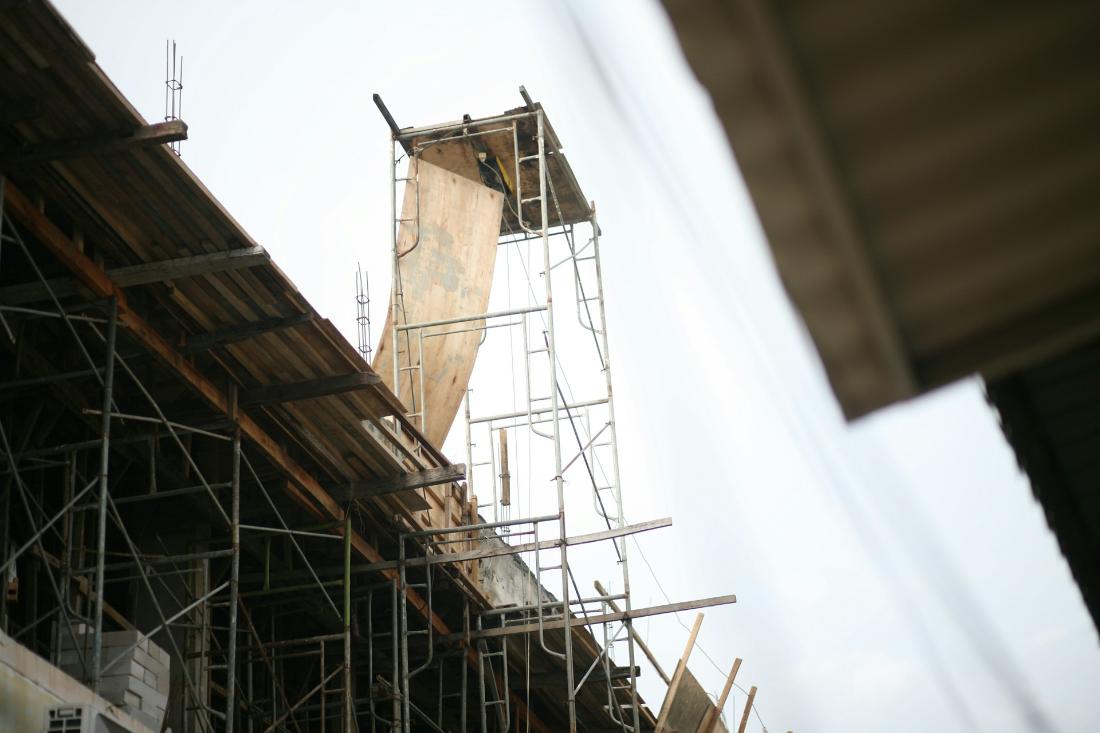
On the active construction site, innovation manifests through a suite of technologies that enhance safety, oversight, and efficiency. Drones have become indispensable eyes in the sky. They conduct rapid topographic surveys with centimetre accuracy, monitor progress through automated photo and video capture, and inspect hard-to-reach structures like tall facades or bridge undersides, improving safety and documentation. The Internet of Things (IoT) is bringing intelligence to the site itself. Sensors embedded in concrete monitor curing temperature and strength in real-time. Wearable technology on workers—smart helmets or vests—can monitor vital signs, detect falls, and ensure personnel are in safe zones. Equipment is fitted with telematics to track location, fuel usage, and maintenance needs, optimising fleet management. Furthermore, innovative contractors are beginning to integrate robotics for repetitive, hazardous, or highly precise tasks, such as bricklaying robots, rebar-tying machines, or autonomous surveyors. These tools transform the site from a reactive environment into a connected, data-generating hub where decisions are informed, safety is proactively managed, and productivity is continuously optimised.
Perhaps the most critical frontier for innovation is sustainability. Today’s forward-thinking contractor is a key agent in achieving national and global environmental targets. Their innovation lies in material science and circular economy principles. They actively source and specify low-carbon materials, such as green cement blends that use industrial by-products, responsibly sourced timber, and recycled steel and aggregates. They design for disassembly, creating buildings where components can be recovered and reused at end-of-life rather than demolished and landfilled. On-site, they implement rigorous waste segregation and management protocols, aiming for near-zero waste to landfill. Water recycling systems and renewable energy installations, like solar panels on site offices, are becoming standard practice. They also champion passive design strategies that are integrated during construction, ensuring optimal building orientation, natural ventilation, and high-performance envelopes that drastically reduce the operational carbon footprint of the building for decades. For them, a project’s success is measured not just by being on time and on budget, but by its Green Building Index (GBI) or LEED certification score—a badge of honour that signifies built-in environmental responsibility.
However, the most sophisticated technology is useless without the human expertise to wield it. Thus, the innovative contractor places immense emphasis on cultivating a culture of continuous learning and collaboration. They invest in upskilling their existing workforce, training seasoned foremen to become BIM coordinators and skilled tradespeople to become precision assembly technicians. They foster a flatter, more collaborative project culture, where architects, engineers, contractors, and subcontractors co-create solutions in integrated project delivery (IPD) models, breaking down traditional silos and adversarial relationships. They actively partner with universities and technical colleges to shape curricula and offer apprenticeships, building the talent pipeline for the industry’s future. This human-centric approach to innovation ensures that technology augments and elevates human skill, rather than replacing it, creating a more resilient and adaptable organisation.
Perhaps the most critical frontier for innovation is sustainability. Today’s forward-thinking contractor is a key agent in achieving national and global environmental targets. Their innovation lies in material science and circular economy principles. They actively source and specify low-carbon materials, such as green cement blends that use industrial by-products, responsibly sourced timber, and recycled steel and aggregates. They design for disassembly, creating buildings where components can be recovered and reused at end-of-life rather than demolished and landfilled. On-site, they implement rigorous waste segregation and management protocols, aiming for near-zero waste to landfill. Water recycling systems and renewable energy installations, like solar panels on site offices, are becoming standard practice. They also champion passive design strategies that are integrated during construction, ensuring optimal building orientation, natural ventilation, and high-performance envelopes that drastically reduce the operational carbon footprint of the building for decades. For them, a project’s success is measured not just by being on time and on budget, but by its Green Building Index (GBI) or LEED certification score—a badge of honour that signifies built-in environmental responsibility.
However, the most sophisticated technology is useless without the human expertise to wield it. Thus, the innovative contractor places immense emphasis on cultivating a culture of continuous learning and collaboration. They invest in upskilling their existing workforce, training seasoned foremen to become BIM coordinators and skilled tradespeople to become precision assembly technicians. They foster a flatter, more collaborative project culture, where architects, engineers, contractors, and subcontractors co-create solutions in integrated project delivery (IPD) models, breaking down traditional silos and adversarial relationships. They actively partner with universities and technical colleges to shape curricula and offer apprenticeships, building the talent pipeline for the industry’s future. This human-centric approach to innovation ensures that technology augments and elevates human skill, rather than replacing it, creating a more resilient and adaptable organisation.
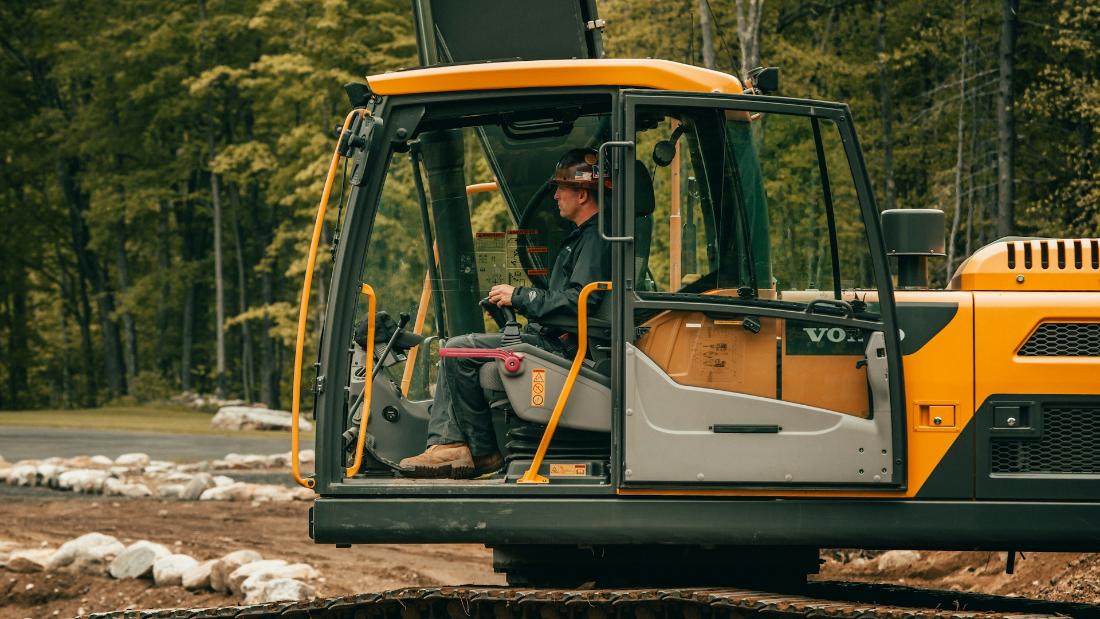
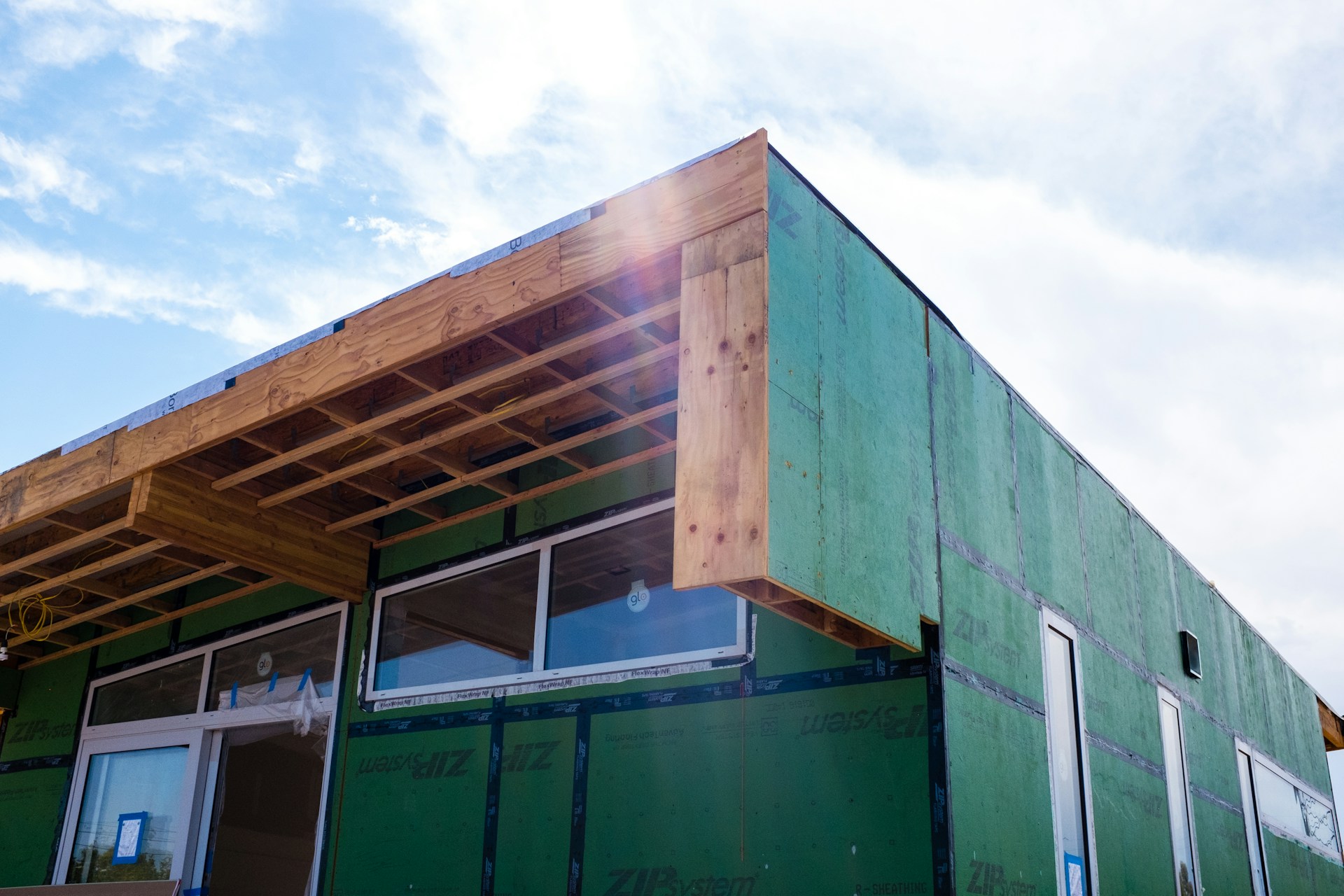
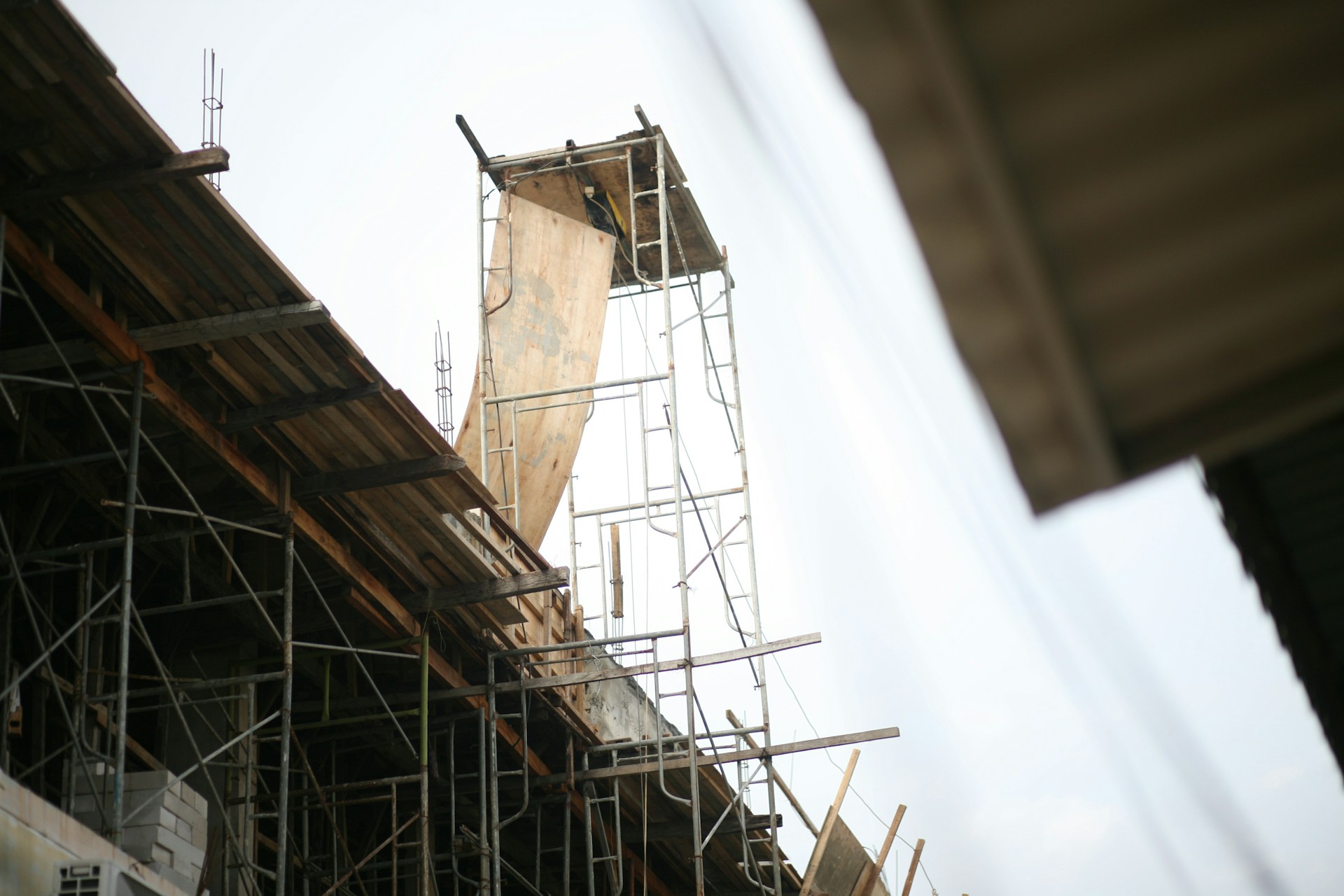
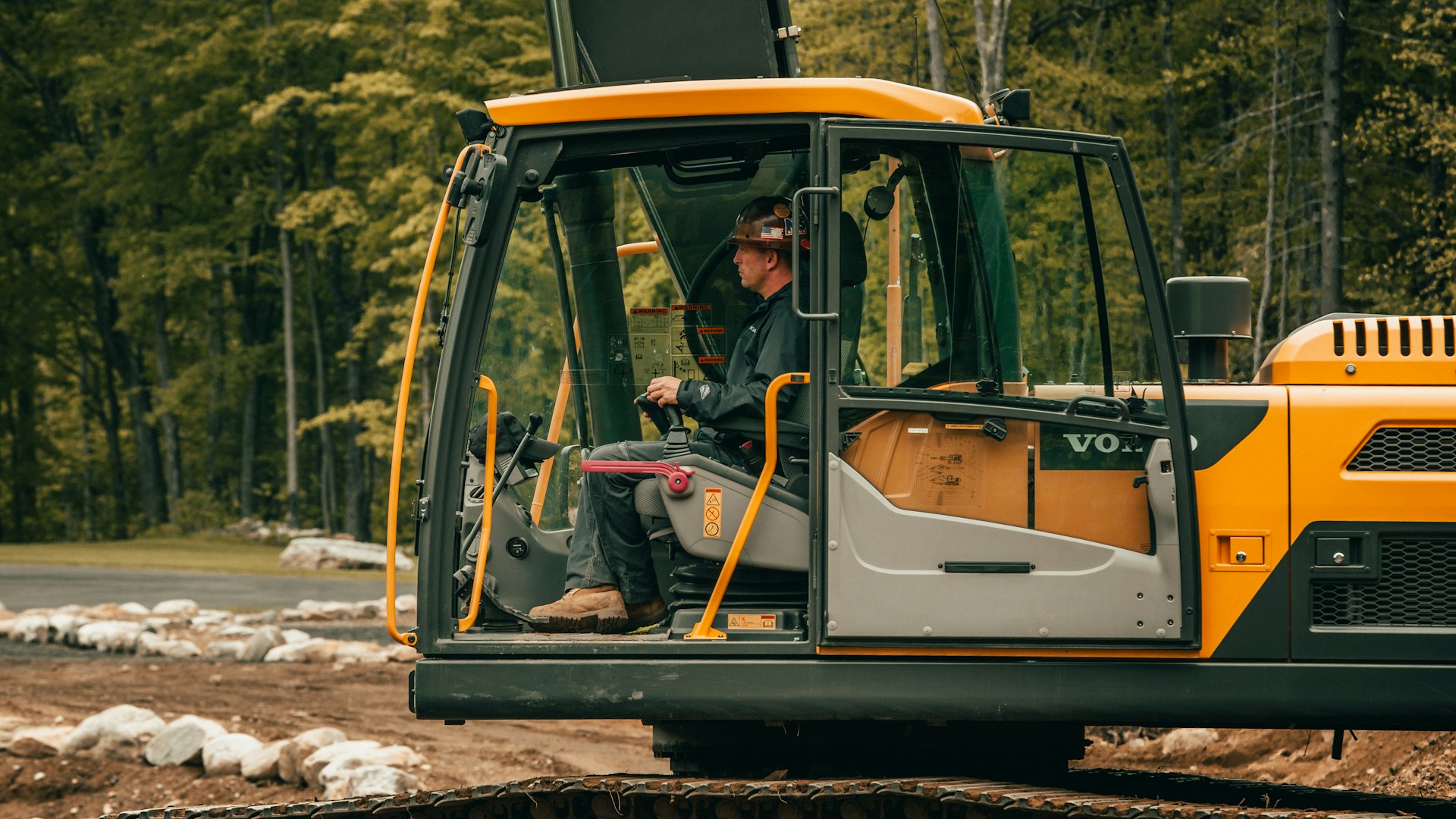
On the active construction site, innovation manifests through a suite of technologies that enhance safety, oversight, and efficiency. Drones have become indispensable eyes in the sky. They conduct rapid topographic surveys with centimetre accuracy, monitor progress through automated photo and video capture, and inspect hard-to-reach structures like tall facades or bridge undersides, improving safety and documentation. The Internet of Things (IoT) is bringing intelligence to the site itself. Sensors embedded in concrete monitor curing temperature and strength in real-time. Wearable technology on workers—smart helmets or vests—can monitor vital signs, detect falls, and ensure personnel are in safe zones. Equipment is fitted with telematics to track location, fuel usage, and maintenance needs, optimising fleet management. Furthermore, innovative contractors are beginning to integrate robotics for repetitive, hazardous, or highly precise tasks, such as bricklaying robots, rebar-tying machines, or autonomous surveyors. These tools transform the site from a reactive environment into a connected, data-generating hub where decisions are informed, safety is proactively managed, and productivity is continuously optimised.
Perhaps the most critical frontier for innovation is sustainability. Today’s forward-thinking contractor is a key agent in achieving national and global environmental targets. Their innovation lies in material science and circular economy principles. They actively source and specify low-carbon materials, such as green cement blends that use industrial by-products, responsibly sourced timber, and recycled steel and aggregates. They design for disassembly, creating buildings where components can be recovered and reused at end-of-life rather than demolished and landfilled. On-site, they implement rigorous waste segregation and management protocols, aiming for near-zero waste to landfill. Water recycling systems and renewable energy installations, like solar panels on site offices, are becoming standard practice. They also champion passive design strategies that are integrated during construction, ensuring optimal building orientation, natural ventilation, and high-performance envelopes that drastically reduce the operational carbon footprint of the building for decades. For them, a project’s success is measured not just by being on time and on budget, but by its Green Building Index (GBI) or LEED certification score—a badge of honour that signifies built-in environmental responsibility.
However, the most sophisticated technology is useless without the human expertise to wield it. Thus, the innovative contractor places immense emphasis on cultivating a culture of continuous learning and collaboration. They invest in upskilling their existing workforce, training seasoned foremen to become BIM coordinators and skilled tradespeople to become precision assembly technicians. They foster a flatter, more collaborative project culture, where architects, engineers, contractors, and subcontractors co-create solutions in integrated project delivery (IPD) models, breaking down traditional silos and adversarial relationships. They actively partner with universities and technical colleges to shape curricula and offer apprenticeships, building the talent pipeline for the industry’s future. This human-centric approach to innovation ensures that technology augments and elevates human skill, rather than replacing it, creating a more resilient and adaptable organisation.
Perhaps the most critical frontier for innovation is sustainability. Today’s forward-thinking contractor is a key agent in achieving national and global environmental targets. Their innovation lies in material science and circular economy principles. They actively source and specify low-carbon materials, such as green cement blends that use industrial by-products, responsibly sourced timber, and recycled steel and aggregates. They design for disassembly, creating buildings where components can be recovered and reused at end-of-life rather than demolished and landfilled. On-site, they implement rigorous waste segregation and management protocols, aiming for near-zero waste to landfill. Water recycling systems and renewable energy installations, like solar panels on site offices, are becoming standard practice. They also champion passive design strategies that are integrated during construction, ensuring optimal building orientation, natural ventilation, and high-performance envelopes that drastically reduce the operational carbon footprint of the building for decades. For them, a project’s success is measured not just by being on time and on budget, but by its Green Building Index (GBI) or LEED certification score—a badge of honour that signifies built-in environmental responsibility.
However, the most sophisticated technology is useless without the human expertise to wield it. Thus, the innovative contractor places immense emphasis on cultivating a culture of continuous learning and collaboration. They invest in upskilling their existing workforce, training seasoned foremen to become BIM coordinators and skilled tradespeople to become precision assembly technicians. They foster a flatter, more collaborative project culture, where architects, engineers, contractors, and subcontractors co-create solutions in integrated project delivery (IPD) models, breaking down traditional silos and adversarial relationships. They actively partner with universities and technical colleges to shape curricula and offer apprenticeships, building the talent pipeline for the industry’s future. This human-centric approach to innovation ensures that technology augments and elevates human skill, rather than replacing it, creating a more resilient and adaptable organisation.