Material
Louver Wooden Windows Malaysia: Types, Uses & Benefits
Jun 26 2026
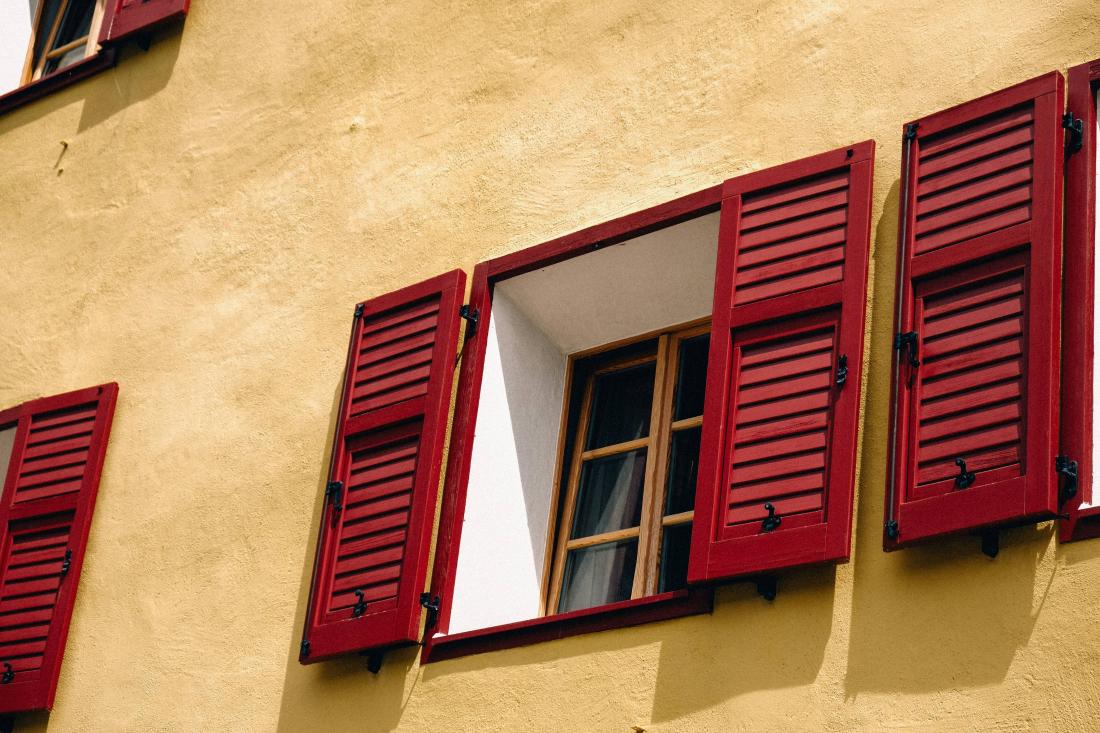
If you have ever walked past an old shophouse in George Town or a kampung house in Negeri Sembilan, chances are you have already seen louver wooden windows in action, even if you did not know the name for them. These angled wooden slats have been part of Malaysian architecture for generations, long before air conditioning became common in every home and office. Today, they are making a steady comeback, not as a nostalgic design choice but as a genuinely practical solution for buildings that need to breathe in our hot, humid weather. This article walks through what louver wooden windows actually are, how they work, where they show up across Malaysia, and what to think about if you are considering them for your own project.
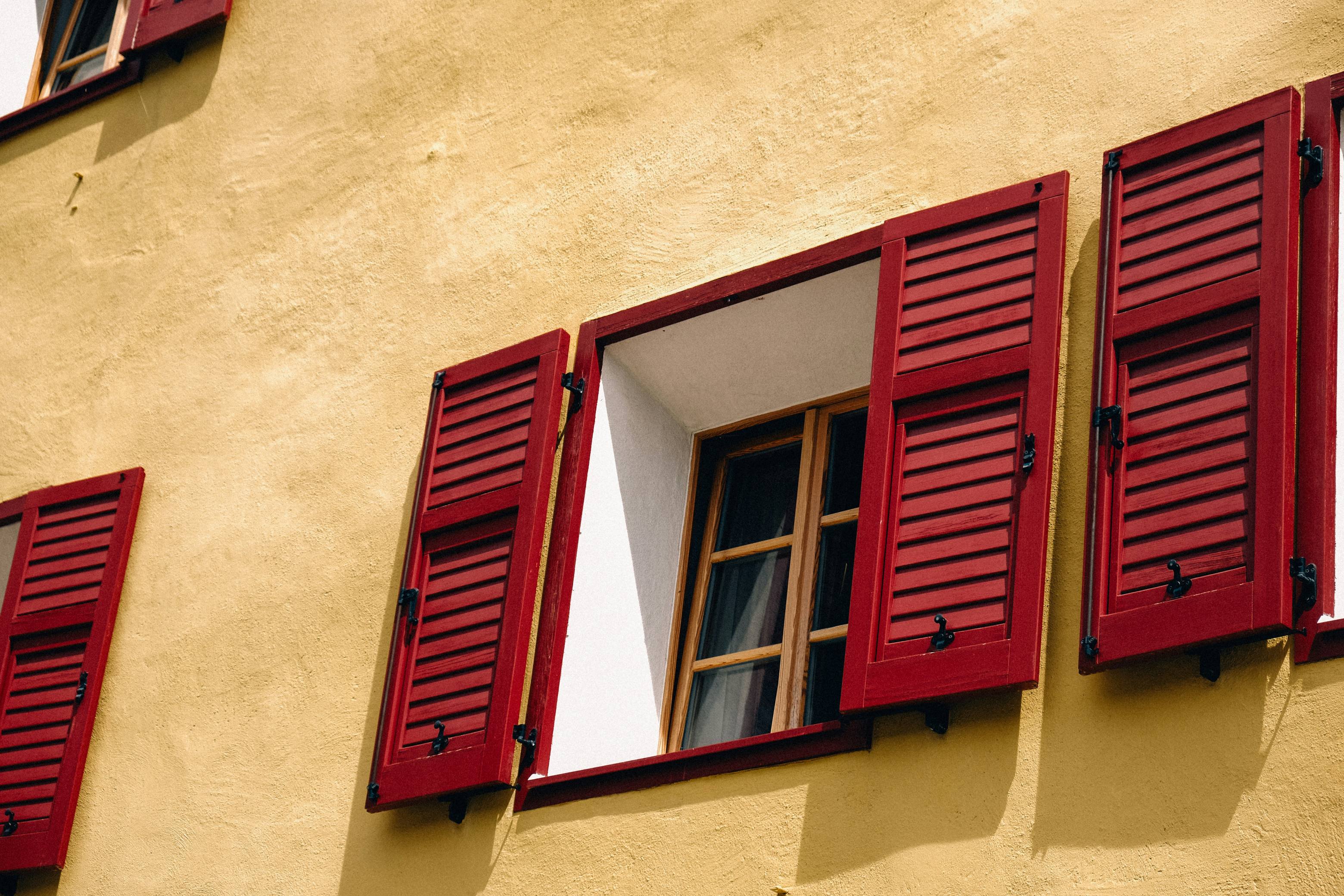
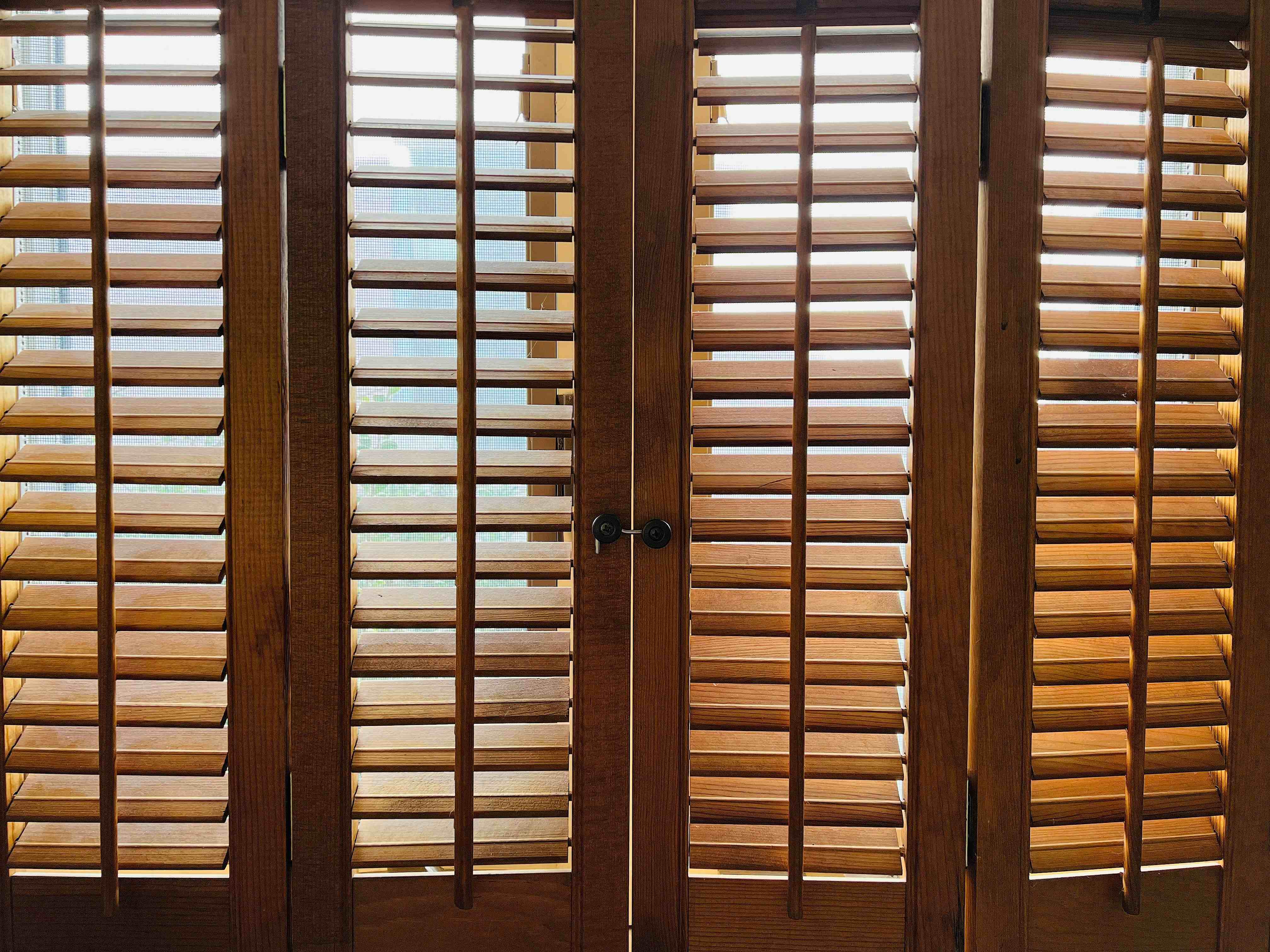
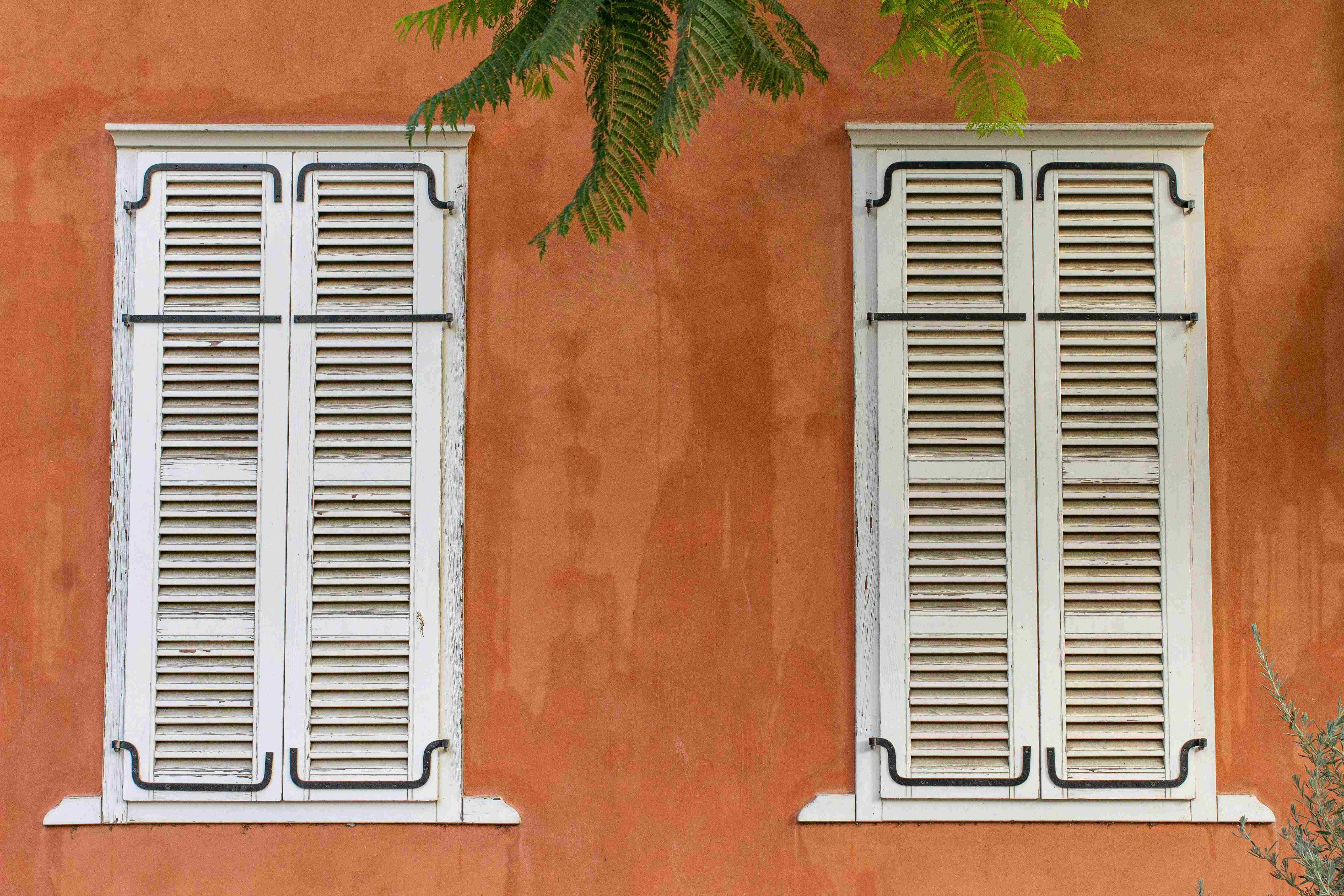
Louver wooden windows are window systems made up of horizontal wooden slats, or louvers, arranged in a frame so they can be tilted to control the amount of air and light entering a space. Unlike a standard glass window that opens and closes as one solid panel, each slat in a louver window can be adjusted, usually through a lever or crank mechanism, so the gaps between the slats widen or narrow depending on how much ventilation is needed at any given moment.
The wood itself is usually a dense, weather-resistant species, since the slats are constantly exposed to humidity, rain, and direct sun. In Malaysia, suppliers often work with treated chengal, balau, or merbau timber, all of which hold up reasonably well in tropical conditions when properly sealed and maintained. Some manufacturers also offer composite or engineered wood louvers that mimic the look of solid timber while resisting warping a little better, which is a common concern in our climate.
What makes louver wooden windows stand out from other window types is the sheer amount of control they give you. You are not stuck choosing between fully open or fully shut. You can angle the slats just enough to let a breeze through while keeping driving rain out, which is a genuinely useful feature during Malaysia's frequent afternoon downpours.
What Are Louver Wooden Windows?
Louver wooden windows are window systems made up of horizontal wooden slats, or louvers, arranged in a frame so they can be tilted to control the amount of air and light entering a space. Unlike a standard glass window that opens and closes as one solid panel, each slat in a louver window can be adjusted, usually through a lever or crank mechanism, so the gaps between the slats widen or narrow depending on how much ventilation is needed at any given moment.
The wood itself is usually a dense, weather-resistant species, since the slats are constantly exposed to humidity, rain, and direct sun. In Malaysia, suppliers often work with treated chengal, balau, or merbau timber, all of which hold up reasonably well in tropical conditions when properly sealed and maintained. Some manufacturers also offer composite or engineered wood louvers that mimic the look of solid timber while resisting warping a little better, which is a common concern in our climate.
What makes louver wooden windows stand out from other window types is the sheer amount of control they give you. You are not stuck choosing between fully open or fully shut. You can angle the slats just enough to let a breeze through while keeping driving rain out, which is a genuinely useful feature during Malaysia's frequent afternoon downpours.
How Louver Wooden Windows Malaysia Designs Work
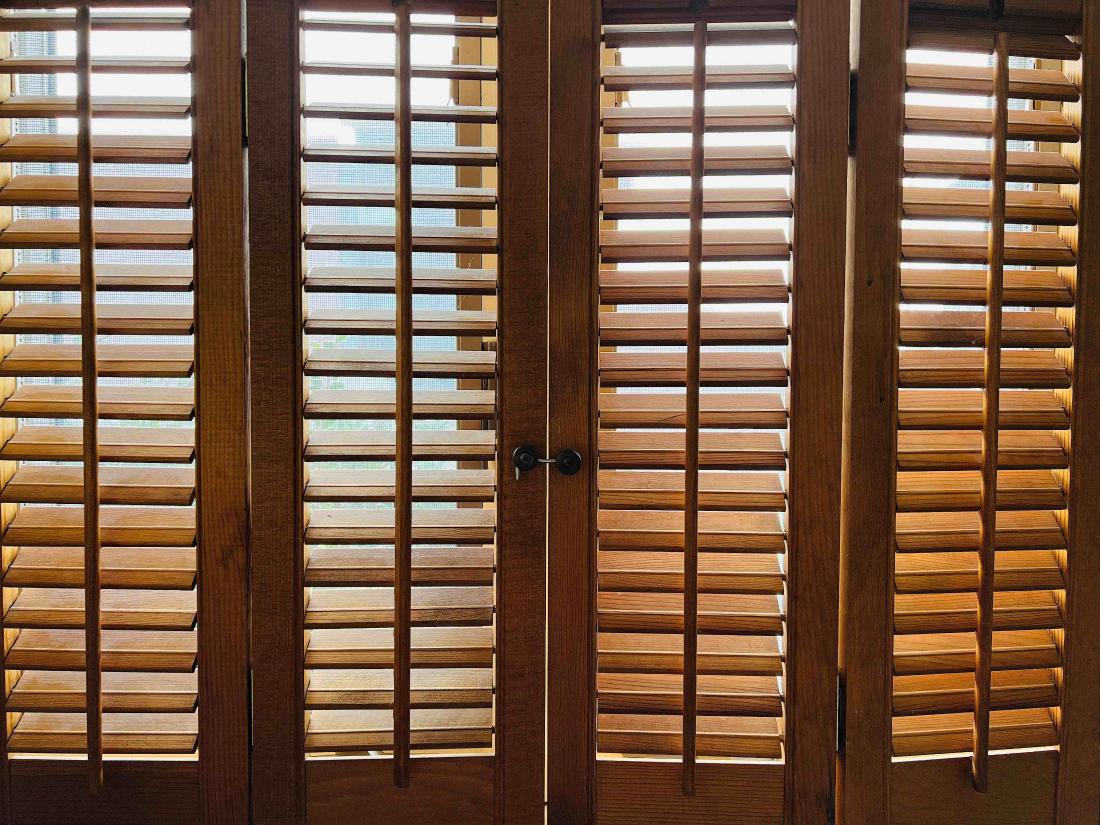
The mechanics behind louver wooden windows Malaysia installations are fairly straightforward, but the engineering behind them matters more than people expect. Each horizontal slat is connected to a central rod or linkage system, so turning a single handle moves every slat in unison. This means you get even, consistent airflow control across the entire window rather than having to adjust slats one by one.
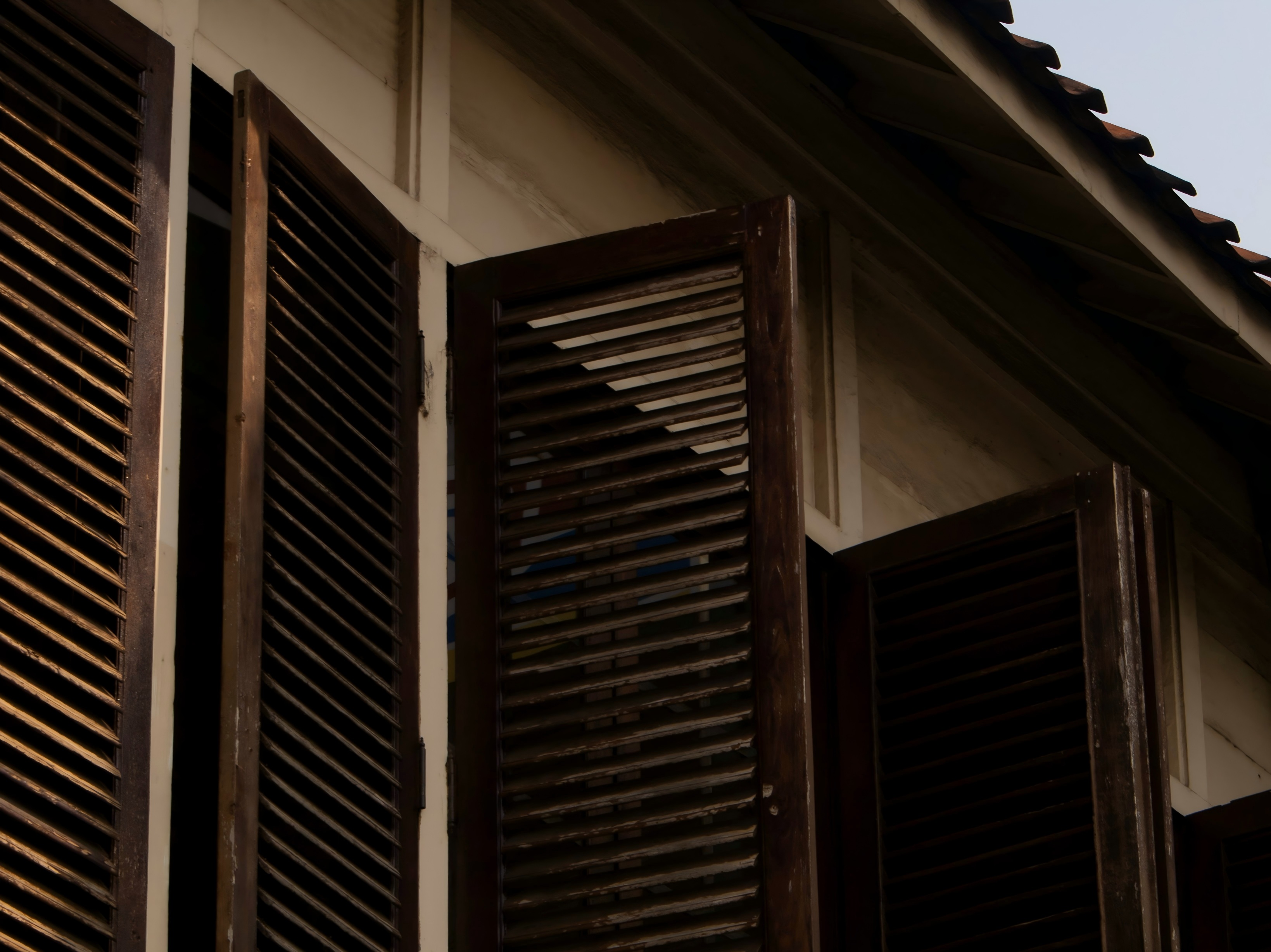
Positioning also plays a big role in how well these windows perform. Builders in Malaysia often install louver wooden windows on the side of a building that faces the prevailing wind direction, helping to draw cross-ventilation through the interior. In shophouses and older bungalows, you will frequently find them placed high on a wall, near the ceiling, which lets hot air escape upward while cooler air is drawn in lower down through doors or other vents. This passive cooling approach was standard practice before mechanical air conditioning, and it still works surprisingly well today, especially in transitional spaces like corridors, stairwells, and covered walkways where full glazing is not really necessary.
The slat angle itself affects performance too. A steeper angle blocks more rain and direct sunlight but reduces airflow, while a shallower angle increases ventilation at the cost of some weather protection. Good installers will usually ask about the specific orientation of your building and the typical wind patterns in your area before recommending a slat angle.
Where Are Louver Wooden Windows Commonly Used in Malaysia?
Louver wooden windows show up in a wider range of buildings than most people initially assume. While they are often linked to traditional or heritage architecture, modern builders have found plenty of reasons to keep specifying them in new projects.a. Residential Buildings
In homes, louver wooden windows are a popular choice for bathrooms, kitchens, and utility areas where moisture and odour need a quick way out. Many landed properties in states like Penang, Melaka, and Johor still use them on the upper floors of double-storey terrace houses, partly for ventilation and partly because they suit the architectural style of the area. Some homeowners renovating older bungalows choose to restore the original timber louvers rather than replace them with aluminium, both for the heritage value and because the airflow performance is genuinely good.
Newer landed housing developments sometimes incorporate louver wooden windows into side gables or service yards, areas that need consistent airflow but do not necessarily need full glass windows with a view. It is a practical middle ground between a solid wall and a large window.
b. Commercial and Industrial Spaces
Commercial buildings use louver wooden windows for similar reasons, though usually at a larger scale. Cafes and restaurants with an open-air or semi-outdoor concept often install timber louvers along one or more walls to keep the space cool without relying entirely on fans or air conditioning, which also helps with energy costs. Boutique hotels and resorts, particularly those marketing a tropical or heritage aesthetic, frequently choose wooden louvers for guest room windows or common areas because they photograph well and reinforce the design theme guests are paying for.
In industrial settings, louver systems, sometimes wooden and sometimes a hybrid of timber framing with metal slats, are used in warehouses and factory buildings where constant air exchange is needed to manage heat or fumes, while keeping rain and debris out. Workshops and storage facilities benefit from this setup since it reduces the load on mechanical ventilation systems.
c. Public and Institutional Buildings
Schools, community halls, and religious buildings across Malaysia have used louver windows for decades, largely because these spaces need to stay reasonably cool without the running costs of full air conditioning across large floor areas. Older government buildings and surau structures in particular still feature timber louvers as a deliberate design choice, since they support the kind of passive cooling that suits Malaysia's climate and keeps utility bills manageable for public institutions.
Benefits of Louver Wooden Windows for Malaysian Climate
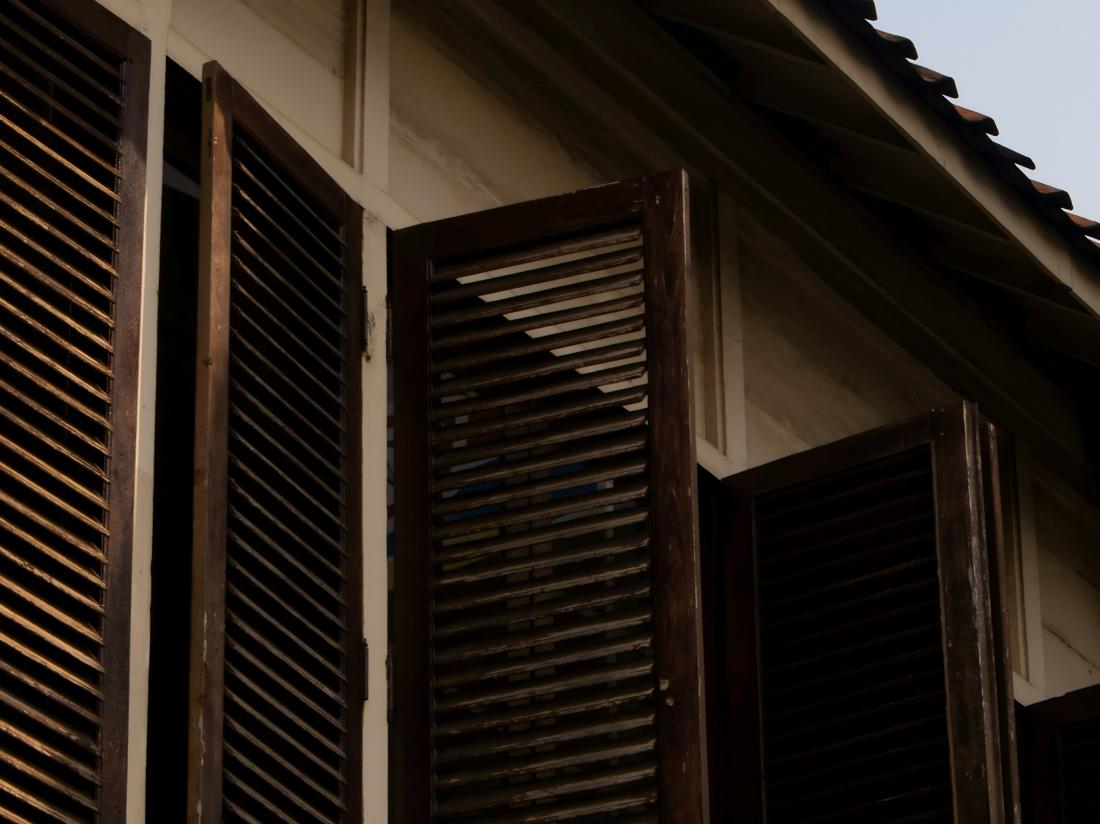
The biggest advantage of louver wooden windows in a country like Malaysia is simply how well they handle our weather patterns. Natural ventilation reduces dependence on air conditioning, which translates into real electricity savings over time, particularly in buildings that are occupied throughout the day. Even partial use of natural airflow during cooler hours can noticeably reduce a building's energy consumption.
There is also the matter of rain protection. Malaysia's monsoon seasons bring sudden, heavy downpours, and the angled slats of a louver window are specifically designed to deflect rainwater while still allowing air to pass through. This is something many fixed glass windows simply cannot do without being left open and exposed.
Aesthetically, wooden louvers bring a warmth that aluminium or uPVC alternatives struggle to replicate. The natural grain and texture of timber suit both traditional Malaysian architecture and the current trend toward biophilic, nature-inspired interior design. Architects working on resorts, cafes, and boutique residential projects often specify timber louvers precisely because they soften a building's appearance and create a more inviting atmosphere compared to purely industrial materials.
Durability is another point worth mentioning, provided the timber is properly treated. Hardwood species commonly used in Malaysia, when sealed and maintained correctly, can last for decades despite constant exposure to humidity and UV. This makes the long-term cost of louver wooden windows more reasonable than the upfront price might suggest, especially compared to materials that need frequent replacement in tropical conditions.
Louver Wooden Windows vs Other Window Types
It helps to compare louver wooden windows against the alternatives most commonly used in Malaysian construction. Standard casement or sliding glass windows offer better insulation against noise and, when sealed properly, better resistance to dust. However, they typically need to be left partially open for ventilation, which compromises rain protection and security at the same time.
Aluminium louver windows are a close cousin to the wooden version and have become popular for their low maintenance and resistance to termites and rot. They are often cheaper upfront and easier to mass-produce for large commercial projects. That said, aluminium can heat up significantly under direct tropical sun, sometimes making interior spaces warmer rather than cooler, and many designers feel they lack the visual warmth that timber provides.
Glass louvers, often paired with aluminium frames, are another alternative, offering a more contemporary look while retaining the adjustable slat function. They tend to be more expensive than both wooden and aluminium options and require more careful cleaning, since glass shows dust and water spots more readily in Malaysia's humid environment.
Ultimately, the choice between these options comes down to budget, maintenance capacity, and the aesthetic a project is going for. For heritage buildings, boutique hospitality projects, or homeowners who want a softer, more natural finish, louver wooden windows usually win out despite needing a bit more upkeep than their metal or glass counterparts.
Choosing the Right Louver Wooden Windows Malaysia Supplier
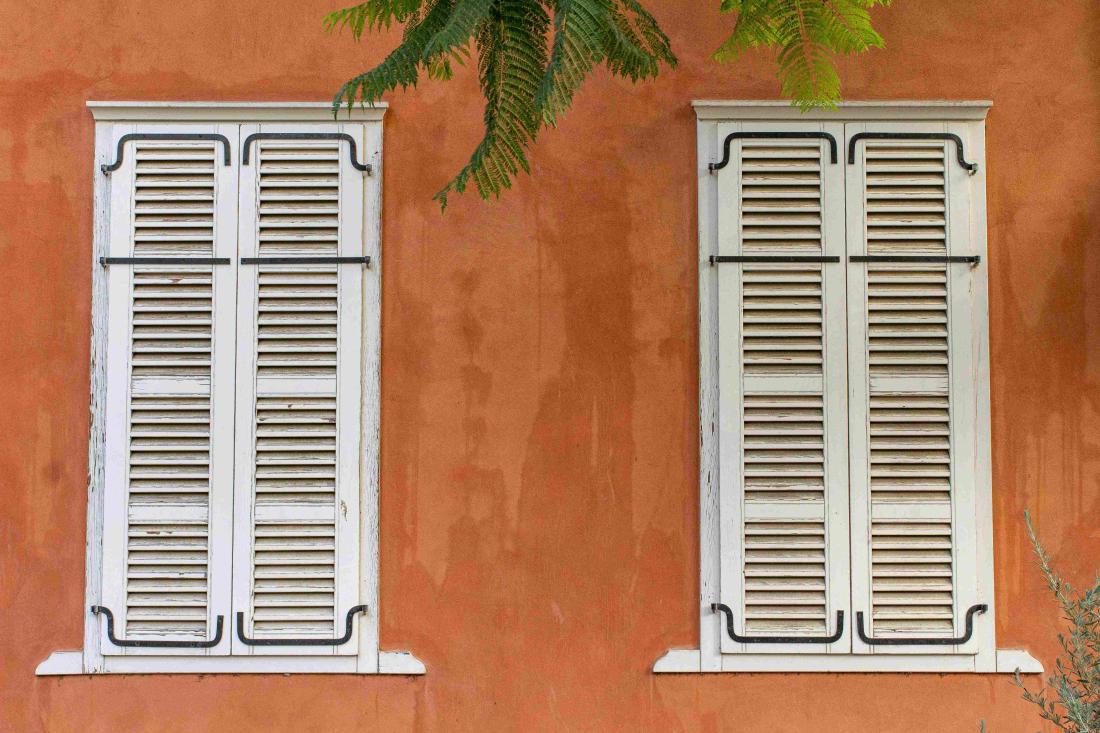
Not all timber is created equal, and this matters a great deal when it comes to louver wooden windows Malaysia projects, since the local climate is unforgiving toward poorly treated wood. When evaluating a supplier, it is worth asking specifically what timber species they use and whether the wood has been kiln-dried and treated against termites and fungal decay before installation. Untreated or poorly dried timber tends to warp, crack, or attract pests within a few short years in Malaysia's humidity, which defeats the purpose of investing in a long-lasting window system.
It is also worth checking whether the supplier offers customisation in slat width, spacing, and frame finish, since different buildings have different ventilation and privacy needs. A supplier with experience across residential, commercial, and industrial projects will usually be better equipped to recommend the right specification for your particular building rather than offering a single generic design.
Installation quality matters just as much as the material itself. Poorly fitted frames can let water seep through during heavy rain, undermining one of the main reasons people choose louver windows in the first place. Asking to see completed projects, ideally ones that have been in place for a few years, gives a much clearer picture of how a supplier's work actually holds up over time compared to fresh installation photos alone.
Maintenance Tips for Louver Wooden Windows
Keeping louver wooden windows in good condition in Malaysia mainly comes down to staying ahead of moisture and dust buildup. Wiping down the slats every few weeks prevents dust from settling into the wood grain, which over time can hold moisture against the surface and accelerate wear. During the wetter months, it helps to check the slats and hinges periodically for any signs of water pooling or staining, since this is usually the first indication that a seal or coating needs attention.
Re-varnishing or re-sealing the timber every one to two years, depending on sun and rain exposure, goes a long way toward preventing cracking and fading. Areas that receive direct afternoon sun, which is intense and consistent in Malaysia, tend to need more frequent attention than shaded or covered installations. Checking the moving mechanism, whether a lever, chain, or rod system, for stiffness or rust is also worth doing every few months, since a smoothly functioning mechanism is part of what makes these windows convenient to use in the first place.
Termite inspections, even for treated timber, are a sensible precaution in Malaysia given how common subterranean termites are in both urban and rural areas. Catching an issue early is far cheaper than replacing an entire window frame later on.
Frequently Asked Questions
a. Are louver wooden windows suitable for coastal areas in Malaysia?
Yes, though the timber should be properly treated and sealed, since coastal humidity and salt air can accelerate wood deterioration if the windows are not maintained regularly.
b. Do louver wooden windows provide good security?
On their own, they offer less security than solid glass or grille-protected windows, so many homeowners pair them with security grilles or use them in combination with other window types for street-facing areas.
c. How long do louver wooden windows typically last in Malaysia's climate?
With proper timber treatment and routine maintenance such as resealing every one to two years, well-installed wooden louvers can last well over a decade, and sometimes considerably longer.
Final Thoughts
Louver wooden windows remain relevant in Malaysia not because of nostalgia, but because they solve a genuinely practical problem: how to keep a building ventilated and comfortable in a hot, humid, rain-heavy climate without running up electricity bills. Whether you are restoring a heritage shophouse, designing a boutique café, or simply looking for a better ventilation solution for a service yard, louver wooden windows Malaysia suppliers can offer a range of timber species, slat configurations, and finishes suited to almost any project type.
If you are exploring window or ventilation options for an upcoming build or renovation, Aathaworld can help guide you through material choices, customisation options, and installation planning suited to your specific building and budget. Visit Builtory or reach out to our team directly to discuss your project requirements.