Material
Stripped Wall Panel Supplier Malaysia
Jan 21 2026
In the heart of a Malaysian café, a wall tells a story of generations. It is not a smooth, painted surface, but a layered collage of texture—the ghost of old paint, the gritty imprint of original plaster, and the raw, honest face of reclaimed brick. This is the power of the stripped wall, a design choice that has moved from the domain of edgy art galleries and boutique hotels into discerning homes and commercial spaces across the nation. However, achieving this coveted look of curated decay and authentic texture is an art form in itself, one that goes far beyond the swing of a demolition hammer. It demands a discerning eye for material, a deep understanding of architectural history, and access to specialized products. This is where the expertise of a stripped wall panel supplier in Malaysia becomes indispensable. They are not merely vendors of decorative surfaces; they are purveyors of patina, consultants in controlled deconstruction, and partners in crafting walls with soul and a profound sense of place.
The stripped wall aesthetic represents a significant philosophical shift in interior design. It is a deliberate move away from the flawless, the new, and the homogenous. Instead, it embraces the beauty of imperfection, the narrative of time, and the tactile quality of raw materials. In a rapidly modernizing nation, this aesthetic provides a powerful anchor—a tangible connection to history, craft, and materiality. It transforms a wall from a passive boundary into an active storytelling element. Whether it's the rustic warmth of exposed brick, the graphic linearity of reclaimed timber planks, or the sculptural, mottled surface of cleaned-back concrete, each stripped finish carries a unique emotional weight. It can make a space feel grounded and authentic, industrial and dynamic, or artistically raw and intellectually stimulating. This trend speaks to a desire for environments that feel genuine, layered, and inherently interesting, offering a visual and tactile richness that flat paint simply cannot achieve.
The journey to a masterfully stripped wall often begins with the original substrate itself. In heritage renovations—particularly of colonial shophouses in Penang or Malacca, or older brick buildings in Kuala Lumpur—the process is one of careful architectural archaeology. Here, a supplier’s role is to provide the tools and expertise for careful, controlled revelation. They supply specialized chemical paint strippers that can safely remove layers of modern latex paint without damaging the historic lime plaster or brick beneath. They offer gentle mechanical tools, like rotary brushes with soft bristles, for meticulous cleaning. For brick walls, they provide penetrating sealers and matte finishes that protect the masonry from Malaysia’s humidity while allowing it to “breathe,” preventing moisture trapping and salt efflorescence. This historical approach is delicate and respectful, aiming to uncover and preserve the original fabric of the building, celebrating its age and craft rather than erasing it.
The stripped wall aesthetic represents a significant philosophical shift in interior design. It is a deliberate move away from the flawless, the new, and the homogenous. Instead, it embraces the beauty of imperfection, the narrative of time, and the tactile quality of raw materials. In a rapidly modernizing nation, this aesthetic provides a powerful anchor—a tangible connection to history, craft, and materiality. It transforms a wall from a passive boundary into an active storytelling element. Whether it's the rustic warmth of exposed brick, the graphic linearity of reclaimed timber planks, or the sculptural, mottled surface of cleaned-back concrete, each stripped finish carries a unique emotional weight. It can make a space feel grounded and authentic, industrial and dynamic, or artistically raw and intellectually stimulating. This trend speaks to a desire for environments that feel genuine, layered, and inherently interesting, offering a visual and tactile richness that flat paint simply cannot achieve.
The journey to a masterfully stripped wall often begins with the original substrate itself. In heritage renovations—particularly of colonial shophouses in Penang or Malacca, or older brick buildings in Kuala Lumpur—the process is one of careful architectural archaeology. Here, a supplier’s role is to provide the tools and expertise for careful, controlled revelation. They supply specialized chemical paint strippers that can safely remove layers of modern latex paint without damaging the historic lime plaster or brick beneath. They offer gentle mechanical tools, like rotary brushes with soft bristles, for meticulous cleaning. For brick walls, they provide penetrating sealers and matte finishes that protect the masonry from Malaysia’s humidity while allowing it to “breathe,” preventing moisture trapping and salt efflorescence. This historical approach is delicate and respectful, aiming to uncover and preserve the original fabric of the building, celebrating its age and craft rather than erasing it.
However, the reality of modern Malaysian construction often presents a different challenge: the ubiquitous concrete block or smooth plastered wall. Stripping these surfaces to achieve an attractive raw look is rarely feasible or visually successful. This is where the true innovation of the modern stripped wall panel supplier comes into play. They offer an extensive library of fabricated panels that authentically mimic the most sought-after stripped textures. For the timeless appeal of brick, they supply thin brick veneer panels. These are not cheap imitations, but slices of real kiln-fired clay, mounted on flexible mesh or rigid boards, which can be applied directly over existing walls. Available in a spectrum from rustic, tumbled reds to sleek, grey engineering bricks, they offer the depth, colour variation, and texture of the real thing without the structural weight or need for a load-bearing wall.
Similarly, for the raw concrete look—a cornerstone of industrial and minimalist design—suppliers offer an array of sophisticated solutions. Pre-cast concrete panels with integral formwork textures (like wood grain or board-marked finishes) provide the cool, monolithic feel of cast-in-place concrete with perfect consistency and easier installation. Micro-cement and polished plaster systems represent another pinnacle of this craft. These are applied as a thin, troweled coating by skilled artisans, creating a seamless, joint-free surface that can curve around corners and over fixtures. They can be finished to a variety of sheens, from a rugged, matte texture to a silky-smooth polish, and tinted in an endless range of neutral or bold hues. These systems offer the aesthetic of a stripped concrete wall with superior control over the final finish and performance.
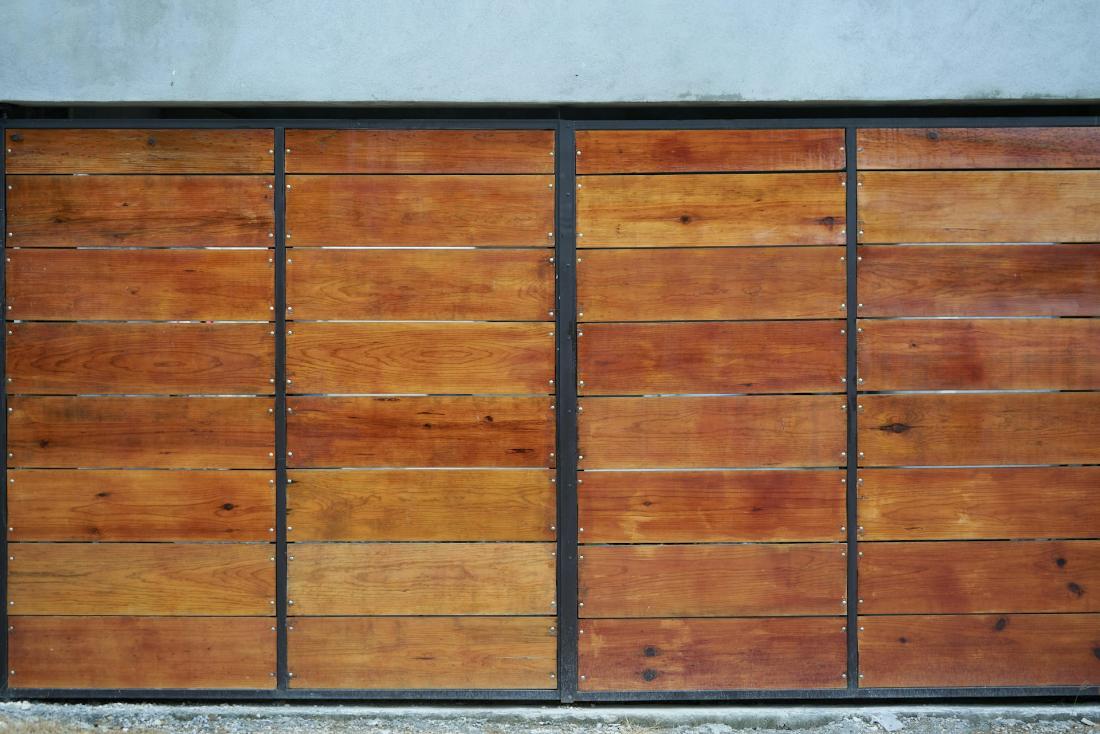
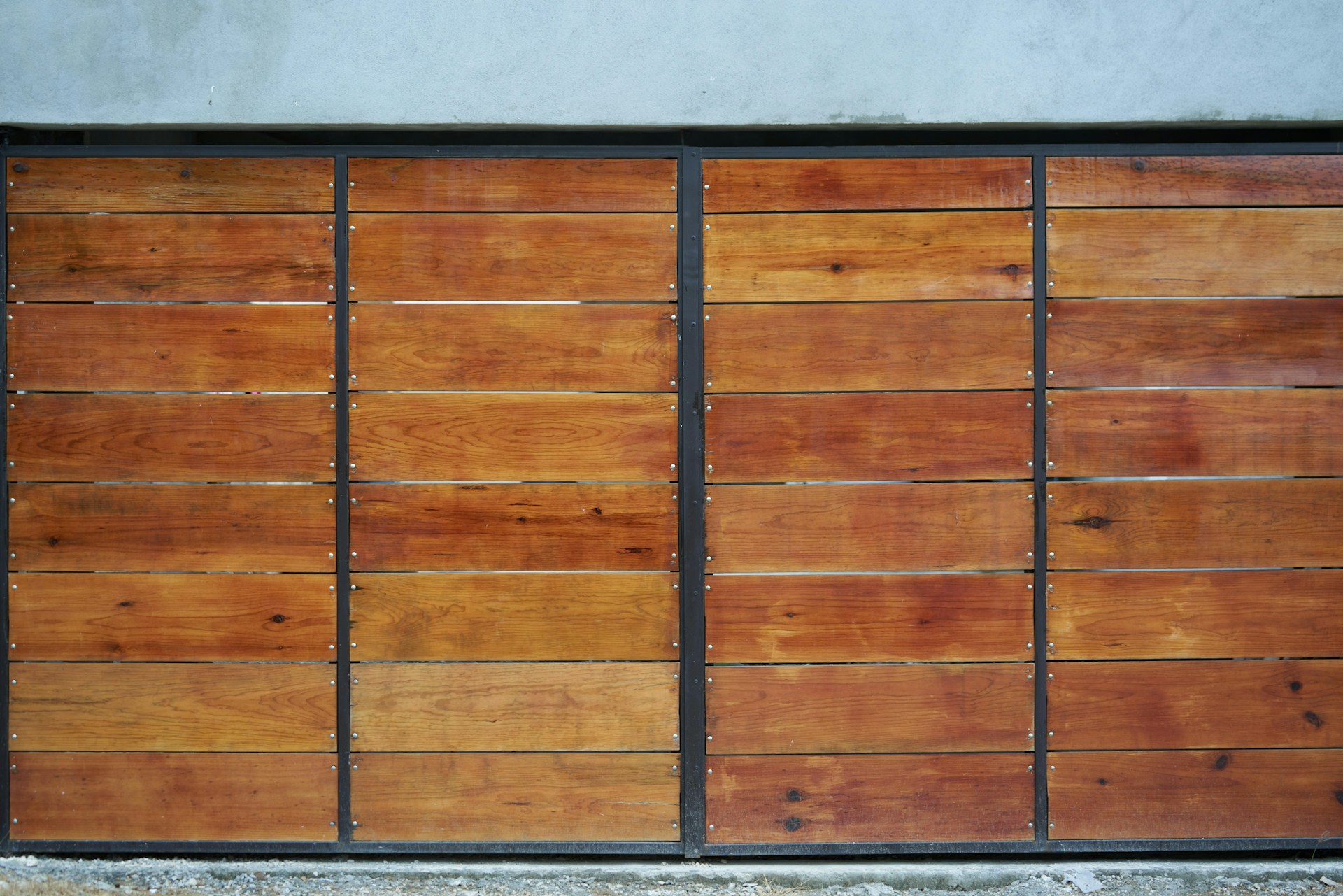
The realm of timber offers another rich avenue for exploration. A stripped wall panel supplier provides access to materials that go beyond standard cladding. This includes authentic reclaimed wood planks, full of nail holes, saw marks, and rich, weathered colour variations that tell a story of previous life. For a more uniform but still organic look, they supply new timber panels that have been wire-brushed or distressed to highlight the grain. They also offer innovative wood-look products like high-fidelity laminates and luxury vinyl planks designed for wall application, which provide the warmth of wood with enhanced moisture resistance—a crucial consideration for Malaysian climates. The supplier’s expertise lies in guiding the selection based on the desired atmosphere, from the cozy, rustic feel of a barn wall to the sleek, linear precision of modern shou sugi ban (charred wood) panels.
Similarly, for the raw concrete look—a cornerstone of industrial and minimalist design—suppliers offer an array of sophisticated solutions. Pre-cast concrete panels with integral formwork textures (like wood grain or board-marked finishes) provide the cool, monolithic feel of cast-in-place concrete with perfect consistency and easier installation. Micro-cement and polished plaster systems represent another pinnacle of this craft. These are applied as a thin, troweled coating by skilled artisans, creating a seamless, joint-free surface that can curve around corners and over fixtures. They can be finished to a variety of sheens, from a rugged, matte texture to a silky-smooth polish, and tinted in an endless range of neutral or bold hues. These systems offer the aesthetic of a stripped concrete wall with superior control over the final finish and performance.
The realm of timber offers another rich avenue for exploration. A stripped wall panel supplier provides access to materials that go beyond standard cladding. This includes authentic reclaimed wood planks, full of nail holes, saw marks, and rich, weathered colour variations that tell a story of previous life. For a more uniform but still organic look, they supply new timber panels that have been wire-brushed or distressed to highlight the grain. They also offer innovative wood-look products like high-fidelity laminates and luxury vinyl planks designed for wall application, which provide the warmth of wood with enhanced moisture resistance—a crucial consideration for Malaysian climates. The supplier’s expertise lies in guiding the selection based on the desired atmosphere, from the cozy, rustic feel of a barn wall to the sleek, linear precision of modern shou sugi ban (charred wood) panels.
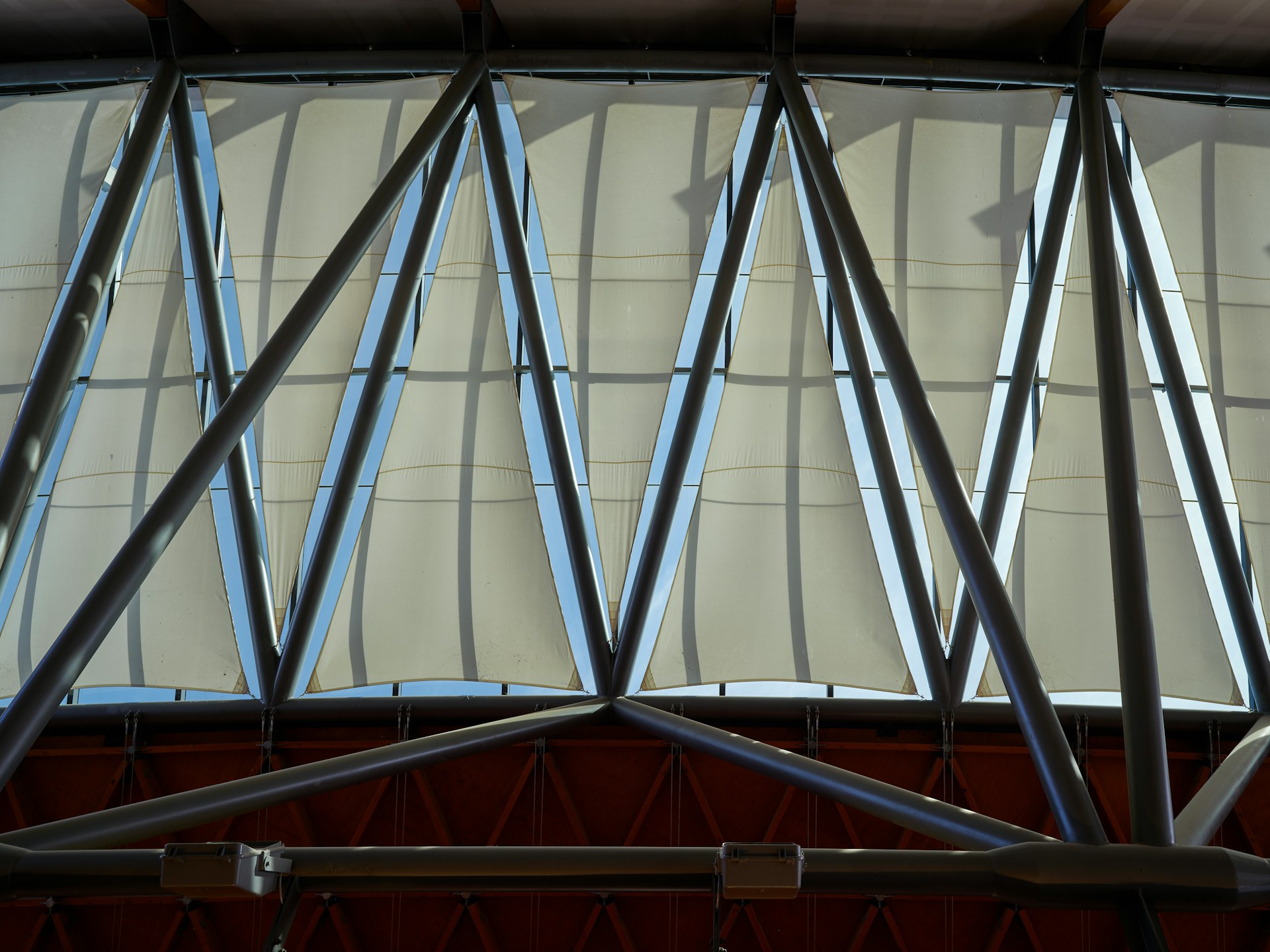
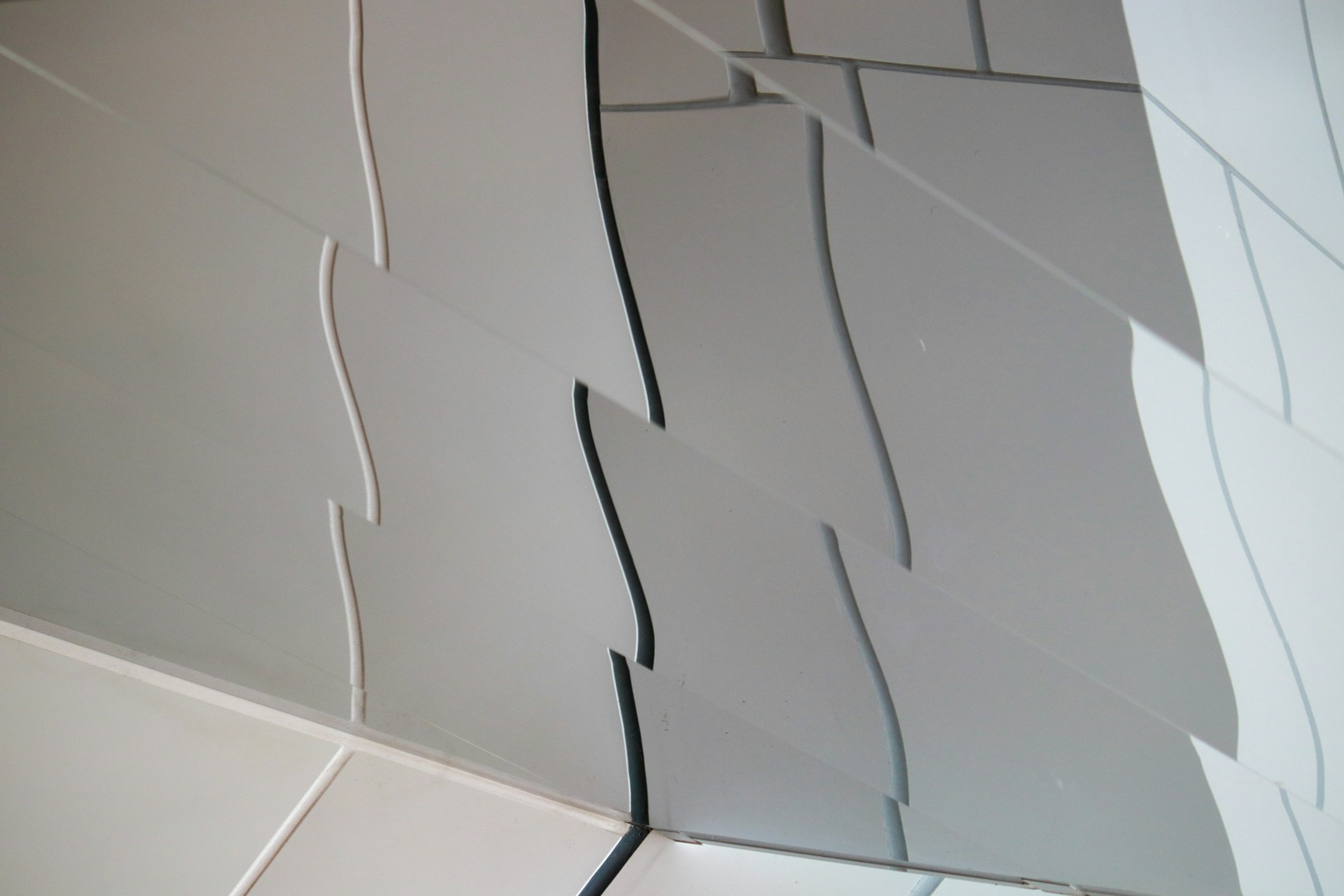
Beyond the primary materials, the art of the stripped wall is in the details and finishing touches, a domain where a specialist supplier adds immense value. They provide the ancillary products that ensure both beauty and longevity. This includes specialized primers and adhesives formulated for bonding specific panel types to various substrates, ensuring a secure, permanent installation. They offer a range of grouts and jointing compounds for brick and stone veneers, available in colours that can match, contrast, or blend seamlessly to achieve different visual effects—from tight, uniform joints to wide, mortar-like recesses. For protective finishing, they supply breathable, matte sealers for natural stone and brick, hard-wearing topcoats for polished plasters, and UV-stable finishes for timber to prevent fading. This holistic approach ensures the installed feature wall is not just a visual statement but a durable, well-engineered component of the interior.
In commercial and hospitality design, the stripped wall aesthetic is deployed with strategic intent. A boutique hotel lobby might use a grand, floor-to-ceiling brick veneer to evoke heritage and warmth. A high-end restaurant could feature polished plaster in a deep, moody tone to create intimacy and sophistication. A tech startup’s office might utilise clean, board-formed concrete panels to project an ethos of innovation and raw creativity. In these settings, the supplier acts as a project partner, providing large-format panels for scale, ensuring fire ratings and building code compliance, and offering solutions for acoustic performance, as many of these hard surfaces can be combined with integrated sound-absorbing materials. The supplier’s ability to deliver consistency across large areas is key to creating a powerful, immersive environment.
Therefore, engaging a professional stripped wall panel supplier is fundamentally different from sourcing standard building materials. It is a collaboration rooted in aesthetic vision and technical knowledge. A generic contractor attempting a “stripped” look with inadequate materials or preparation can result in failure: peeling veneers, discoloured patches, poor acoustics, or a finished product that looks cheap and artificial rather than authentically aged. A specialist supplier provides a complete ecosystem. They offer design consultation, realistic material samples that can be evaluated in the actual space’s light, detailed installation specifications, and often a network of certified installers who are craftsmen in their own right. They guarantee that the materials are suitable for local conditions and that the final installation achieves the desired character with professional integrity.
In essence, the rise of the stripped wall in Malaysia is a search for authenticity in an age of mass production. It is a desire to surround ourselves with materials that have texture, history, and a palpable sense of reality. The stripped wall panel supplier is the essential enabler of this desire. They provide the vocabulary of textures—brick, concrete, timber, plaster—and the technical grammar to apply them correctly. They empower designers and homeowners to move beyond superficial decoration and create spaces with depth, narrative, and emotional resonance. By transforming walls from blank canvases into curated compositions of texture and tone, they do not just supply panels; they help build environments that feel inherently grounded, intriguingly layered, and authentically, unmistakably unique.
In commercial and hospitality design, the stripped wall aesthetic is deployed with strategic intent. A boutique hotel lobby might use a grand, floor-to-ceiling brick veneer to evoke heritage and warmth. A high-end restaurant could feature polished plaster in a deep, moody tone to create intimacy and sophistication. A tech startup’s office might utilise clean, board-formed concrete panels to project an ethos of innovation and raw creativity. In these settings, the supplier acts as a project partner, providing large-format panels for scale, ensuring fire ratings and building code compliance, and offering solutions for acoustic performance, as many of these hard surfaces can be combined with integrated sound-absorbing materials. The supplier’s ability to deliver consistency across large areas is key to creating a powerful, immersive environment.
Therefore, engaging a professional stripped wall panel supplier is fundamentally different from sourcing standard building materials. It is a collaboration rooted in aesthetic vision and technical knowledge. A generic contractor attempting a “stripped” look with inadequate materials or preparation can result in failure: peeling veneers, discoloured patches, poor acoustics, or a finished product that looks cheap and artificial rather than authentically aged. A specialist supplier provides a complete ecosystem. They offer design consultation, realistic material samples that can be evaluated in the actual space’s light, detailed installation specifications, and often a network of certified installers who are craftsmen in their own right. They guarantee that the materials are suitable for local conditions and that the final installation achieves the desired character with professional integrity.
In essence, the rise of the stripped wall in Malaysia is a search for authenticity in an age of mass production. It is a desire to surround ourselves with materials that have texture, history, and a palpable sense of reality. The stripped wall panel supplier is the essential enabler of this desire. They provide the vocabulary of textures—brick, concrete, timber, plaster—and the technical grammar to apply them correctly. They empower designers and homeowners to move beyond superficial decoration and create spaces with depth, narrative, and emotional resonance. By transforming walls from blank canvases into curated compositions of texture and tone, they do not just supply panels; they help build environments that feel inherently grounded, intriguingly layered, and authentically, unmistakably unique.