Structure
Tank Repair Specialist in Malaysia: The Custodians of Capacity and Containment
Dec 30 2025
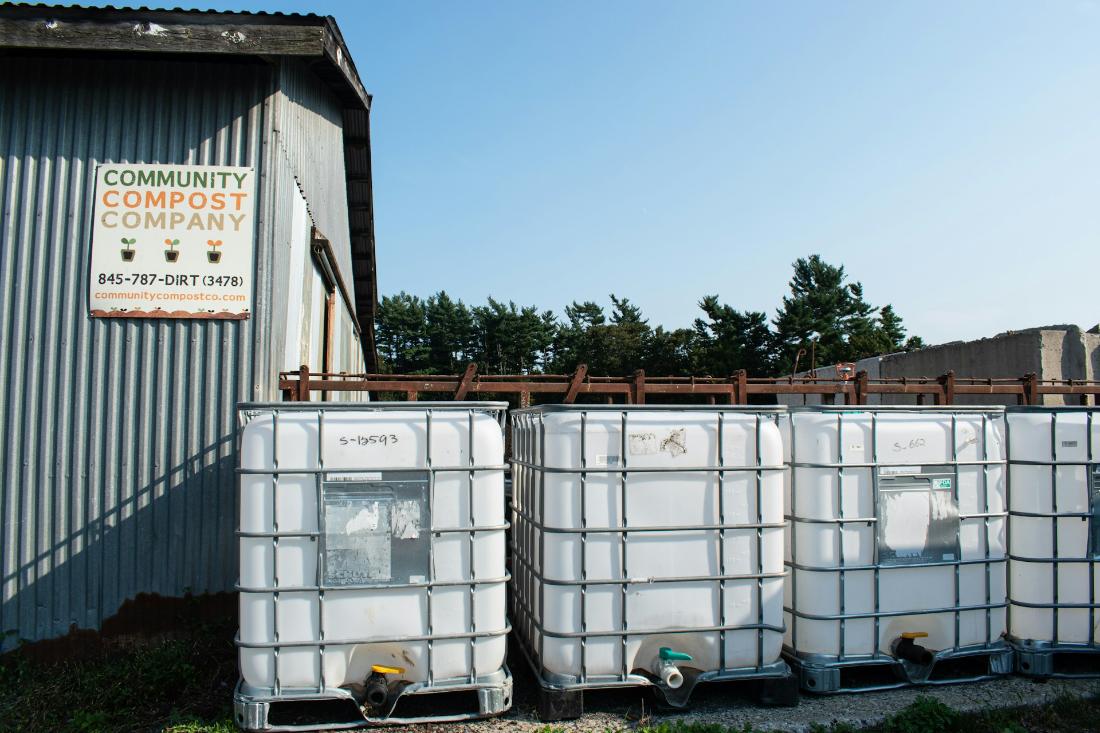
In the rhythm of Malaysian life, from the first morning shower in a high-rise apartment to the steady production line of a Johor factory, there is a silent, steadfast presence holding the key to continuity: the storage tank. Whether perched on a rooftop, buried underground, or standing sentinel in an industrial yard, these vessels are the guardians of our most essential resources—clean water, wastewater, chemicals, and fuel. We take their flawless function for granted until the day a crack appears, a leak drips, or a strange taste hints at contamination. In that moment, the critical role of the tank repair specialist comes sharply into focus. This professional is far more than a technician with a welding torch; they are a materials scientist, a structural diagnostician, a specialist in hazardous containment, and a guardian against waste, pollution, and operational shutdown. Their work ensures the vessels that sustain our homes, businesses, and industries remain secure, efficient, and intact.
The need for specialised tank repair in Malaysia is amplified by a demanding environment and a diverse industrial landscape. The relentless tropical cycle of intense sun, heavy rain, and pervasive humidity accelerates the deterioration of many materials. Ultraviolet radiation degrades plastic and coatings, while constant moisture fosters corrosion in metal tanks, particularly in coastal areas where salt spray compounds the attack. Beyond the climate, the very contents stored apply unique stresses. Water tanks, both domestic and commercial, face challenges from sediment buildup, biofilm growth (the slippery layer often felt inside), and corrosion from varying water chemistries. For industrial tanks holding chemicals, acids, alkalis, or fuels, the threats are more acute, involving chemical corrosion, structural fatigue from temperature fluctuations, and the ever-present risk of hazardous leaks. The tank repair specialist operates within this complex matrix of material science, chemical interaction, and structural integrity, where a standard patch is never enough; the solution must be engineered to address the specific cause of failure.
The specialist’s process begins with a comprehensive and safety-conscious diagnosis, a step that is as much about investigation as it is about precaution. Before any repair can be contemplated, the tank must be properly isolated, drained, cleaned, and ventilated—a critical procedure, especially for tanks that have contained fuel or volatile chemicals. Residual fumes pose a severe explosion risk, and a reputable specialist adheres to strict confined space entry protocols and gas testing. Once safe access is granted, the real detective work starts. Using visual inspection, thickness gauges (to measure metal loss), and sometimes even non-destructive testing methods like ultrasonic testing, the specialist maps the extent of the damage. Is the corrosion generalised or localised to a weld seam or the tank bottom where water and sediment settle? Is the crack a result of structural stress, material fatigue, or foundation settlement? For fibreglass-reinforced plastic (FRP) or polyethylene tanks, they look for signs of UV degradation, cracking from impact, or chemical attack that has made the material brittle. This meticulous assessment determines whether a repair is viable and what methodology will provide a permanent, safe solution, not just a temporary cover-up.
The need for specialised tank repair in Malaysia is amplified by a demanding environment and a diverse industrial landscape. The relentless tropical cycle of intense sun, heavy rain, and pervasive humidity accelerates the deterioration of many materials. Ultraviolet radiation degrades plastic and coatings, while constant moisture fosters corrosion in metal tanks, particularly in coastal areas where salt spray compounds the attack. Beyond the climate, the very contents stored apply unique stresses. Water tanks, both domestic and commercial, face challenges from sediment buildup, biofilm growth (the slippery layer often felt inside), and corrosion from varying water chemistries. For industrial tanks holding chemicals, acids, alkalis, or fuels, the threats are more acute, involving chemical corrosion, structural fatigue from temperature fluctuations, and the ever-present risk of hazardous leaks. The tank repair specialist operates within this complex matrix of material science, chemical interaction, and structural integrity, where a standard patch is never enough; the solution must be engineered to address the specific cause of failure.
The specialist’s process begins with a comprehensive and safety-conscious diagnosis, a step that is as much about investigation as it is about precaution. Before any repair can be contemplated, the tank must be properly isolated, drained, cleaned, and ventilated—a critical procedure, especially for tanks that have contained fuel or volatile chemicals. Residual fumes pose a severe explosion risk, and a reputable specialist adheres to strict confined space entry protocols and gas testing. Once safe access is granted, the real detective work starts. Using visual inspection, thickness gauges (to measure metal loss), and sometimes even non-destructive testing methods like ultrasonic testing, the specialist maps the extent of the damage. Is the corrosion generalised or localised to a weld seam or the tank bottom where water and sediment settle? Is the crack a result of structural stress, material fatigue, or foundation settlement? For fibreglass-reinforced plastic (FRP) or polyethylene tanks, they look for signs of UV degradation, cracking from impact, or chemical attack that has made the material brittle. This meticulous assessment determines whether a repair is viable and what methodology will provide a permanent, safe solution, not just a temporary cover-up.
The arsenal of repair techniques a specialist commands is varied and sophisticated, tailored to the tank's material and the failure's nature. For steel tanks, the most common repair involves cutting out the corroded or damaged section and welding in a new patch plate. However, a true specialist understands that welding on a liquid-containing vessel is a high-stakes operation. They must consider the material grade, use the correct welding rods and procedure, and manage heat input to prevent warping or creating new stress points. For pinhole leaks or smaller areas of corrosion, they might employ advanced composite repair systems. These involve wrapping the damaged area with fibreglass cloth saturated in a high-strength, chemical-resistant resin epoxy, creating a bonded reinforcement that can often restore pressure integrity. This cold-applied method is invaluable for on-site repairs where hot work like welding is too dangerous, such as on fuel tanks.
For concrete water tanks, common in older buildings and large-scale facilities, the failure mode is different. Cracks can develop due to seismic movement, ground settlement, or internal pressure. The specialist here becomes a concrete restoration expert. They may employ routing and sealing techniques, injecting the crack with expanding polyurethane or epoxy grouts that bond the concrete back together and create a flexible, waterproof seal. For deteriorating surfaces, they might apply a cementitious mortar coating or a specialised polymer-modified render to restore structural mass and waterproofing. In the case of leaking plastic (PE or PP) tanks, the repair might involve plastic welding—using a hot air torch and matching welding rod to fuse new material into the damaged area—or the application of specially formulated plastic repair compounds. The chosen method is never a guess; it is a calculated decision based on restoring the tank to its original design specification or beyond.
A significant portion of a tank specialist’s work, particularly for potable water systems, revolves around cleaning, relining, and rehabilitation. Often, a tank is structurally sound but internally contaminated. Years of sediment, rust scale, and microbial biofilm can compromise water quality, leading to discolouration, odours, and potential health concerns. In these cases, a full repair involves meticulous cleaning. Specialists perform manual or automated descaling and high-pressure washing, removing all internal deposits down to the bare substrate. Following this, the critical step of relining occurs. They may apply a potable water-grade epoxy coating, a glass-fused-to-steel lining, or a spray-on polyurethane lining. This creates a new, seamless, inert barrier between the water and the tank shell, preventing corrosion, inhibiting biofilm growth, and ensuring water remains clean and safe for consumption. This rehabilitation process can extend a tank’s service life by decades at a fraction of the cost of full replacement, a sustainable and economically wise choice for building owners and facility managers.
For concrete water tanks, common in older buildings and large-scale facilities, the failure mode is different. Cracks can develop due to seismic movement, ground settlement, or internal pressure. The specialist here becomes a concrete restoration expert. They may employ routing and sealing techniques, injecting the crack with expanding polyurethane or epoxy grouts that bond the concrete back together and create a flexible, waterproof seal. For deteriorating surfaces, they might apply a cementitious mortar coating or a specialised polymer-modified render to restore structural mass and waterproofing. In the case of leaking plastic (PE or PP) tanks, the repair might involve plastic welding—using a hot air torch and matching welding rod to fuse new material into the damaged area—or the application of specially formulated plastic repair compounds. The chosen method is never a guess; it is a calculated decision based on restoring the tank to its original design specification or beyond.
A significant portion of a tank specialist’s work, particularly for potable water systems, revolves around cleaning, relining, and rehabilitation. Often, a tank is structurally sound but internally contaminated. Years of sediment, rust scale, and microbial biofilm can compromise water quality, leading to discolouration, odours, and potential health concerns. In these cases, a full repair involves meticulous cleaning. Specialists perform manual or automated descaling and high-pressure washing, removing all internal deposits down to the bare substrate. Following this, the critical step of relining occurs. They may apply a potable water-grade epoxy coating, a glass-fused-to-steel lining, or a spray-on polyurethane lining. This creates a new, seamless, inert barrier between the water and the tank shell, preventing corrosion, inhibiting biofilm growth, and ensuring water remains clean and safe for consumption. This rehabilitation process can extend a tank’s service life by decades at a fraction of the cost of full replacement, a sustainable and economically wise choice for building owners and facility managers.
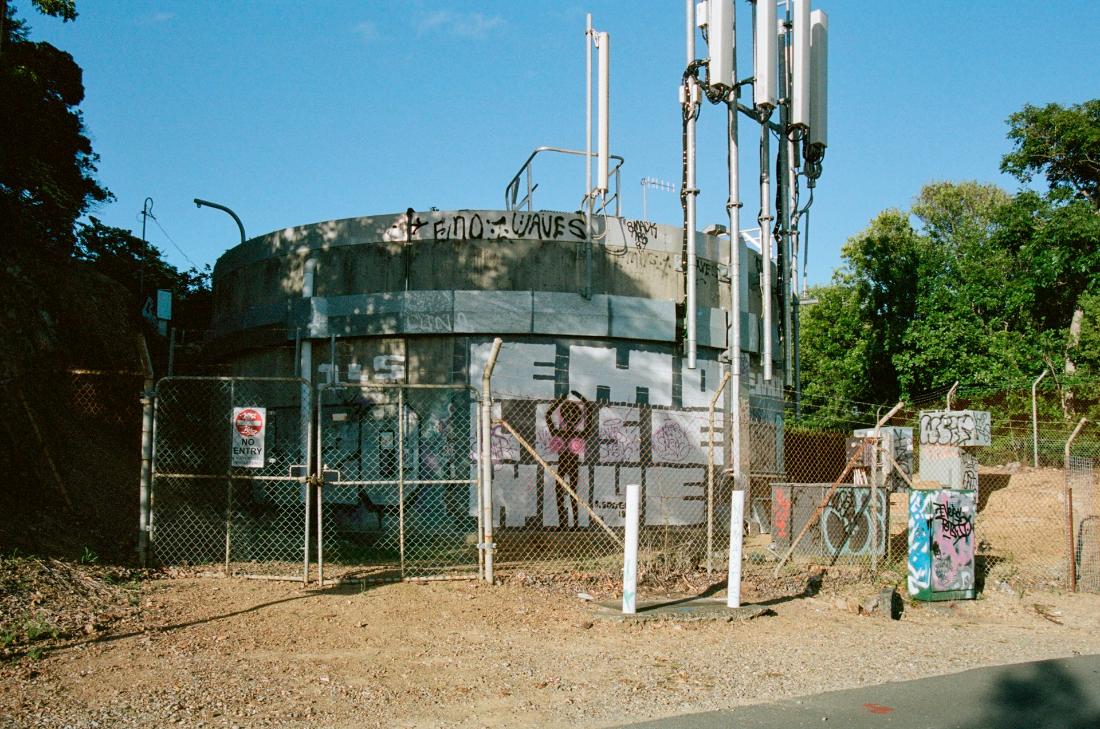
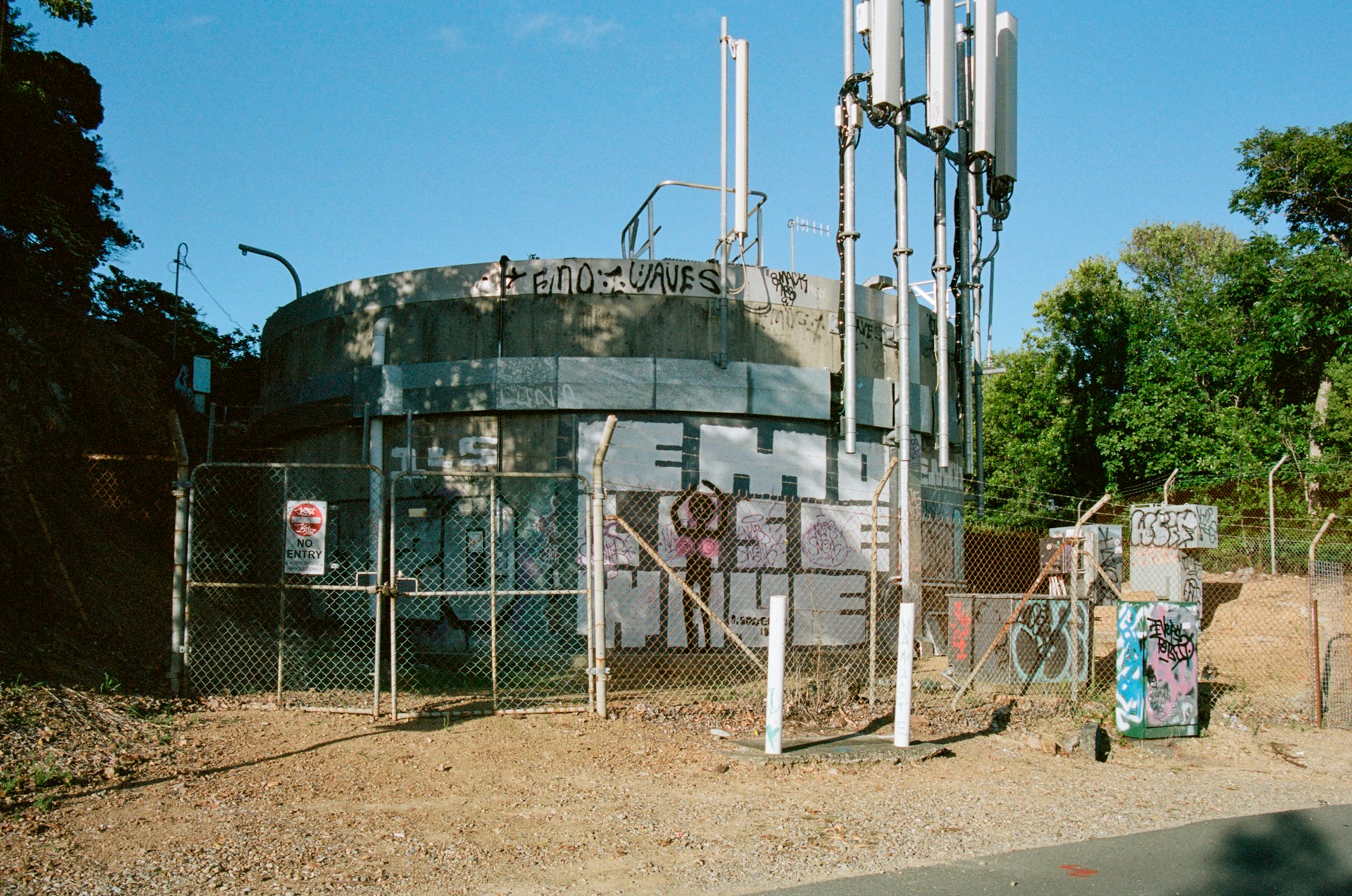
The stakes are arguably highest in the realm of industrial and chemical tank repair. Here, the specialist’s work is governed by stringent safety and environmental protocols. A leak from a chemical storage tank can lead to catastrophic environmental pollution, ground contamination, and severe safety hazards. Repairs must be performed with materials explicitly resistant to the stored chemical. This requires a deep knowledge of chemical compatibility charts. The specialist must also consider the mechanical demands—will the tank be under pressure, vacuum, or subject to thermal cycling? Repairs in this sector often involve not just patching but full redesign and reinforcement of nozzle connections, manways, and support structures. The work is performed with extreme diligence, often followed by rigorous testing—such as hydrostatic testing (filling with water to a pressure above operating level) or pneumatic testing—to verify the repair’s integrity before the tank is returned to service. This meticulous approach safeguards the workforce, the community, and the environment.
Choosing to engage a certified tank repair specialist is a decision that prioritises safety, longevity, and regulatory compliance over risky shortcuts. The consequences of a failed DIY repair or an uncertified weld on a pressure vessel are unthinkable. A professional specialist brings a systematic, engineered approach. They provide detailed inspection reports, use certified materials and procedures, and their work is often backed by insurance and warranties. They understand and ensure compliance with relevant standards and regulations, which is crucial for commercial and industrial facilities subject to audits by the Department of Occupational Safety and Health (DOSH) or the Department of Environment (DOE). Perhaps most importantly, they provide peace of mind. They restore confidence that the tank holding thousands of litres of water above a family’s home, or the vessel containing critical process chemicals for a factory, is no longer a liability but a secure, reliable asset.
In a nation progressing rapidly, the silent infrastructure of storage and containment must keep pace. The tank repair specialist works at this vital intersection of maintenance and safety. They are the custodians who intercept failure, applying knowledge and skill to preserve and strengthen these essential vessels. Their work ensures continuity—of water supply, of industrial processes, of environmental protection. By giving aging tanks a renewed lease on life and ensuring others meet the strictest standards of integrity, they play a fundamental role in the sustainable operation of Malaysia’s built environment. They remind us that true resilience often lies not in replacement, but in the expert care and skilled restoration of the critical assets we already depend on, safeguarding our resources and our well-being from the ground up.
Choosing to engage a certified tank repair specialist is a decision that prioritises safety, longevity, and regulatory compliance over risky shortcuts. The consequences of a failed DIY repair or an uncertified weld on a pressure vessel are unthinkable. A professional specialist brings a systematic, engineered approach. They provide detailed inspection reports, use certified materials and procedures, and their work is often backed by insurance and warranties. They understand and ensure compliance with relevant standards and regulations, which is crucial for commercial and industrial facilities subject to audits by the Department of Occupational Safety and Health (DOSH) or the Department of Environment (DOE). Perhaps most importantly, they provide peace of mind. They restore confidence that the tank holding thousands of litres of water above a family’s home, or the vessel containing critical process chemicals for a factory, is no longer a liability but a secure, reliable asset.
In a nation progressing rapidly, the silent infrastructure of storage and containment must keep pace. The tank repair specialist works at this vital intersection of maintenance and safety. They are the custodians who intercept failure, applying knowledge and skill to preserve and strengthen these essential vessels. Their work ensures continuity—of water supply, of industrial processes, of environmental protection. By giving aging tanks a renewed lease on life and ensuring others meet the strictest standards of integrity, they play a fundamental role in the sustainable operation of Malaysia’s built environment. They remind us that true resilience often lies not in replacement, but in the expert care and skilled restoration of the critical assets we already depend on, safeguarding our resources and our well-being from the ground up.