Bathroom
Why Is Microcement Becoming So Popular in Modern Bathrooms?
Jun 3 2026
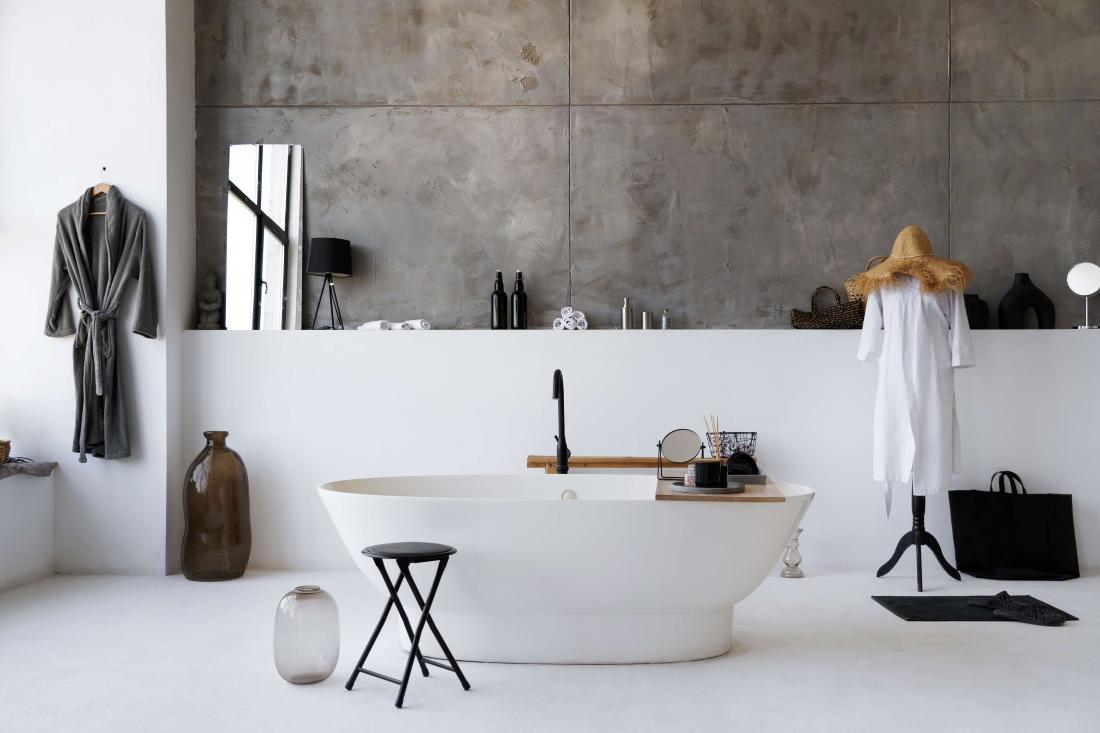
Microcement is transforming modern bathrooms across Malaysia and the world — but what is driving this quiet design revolution?
Walk into any newly renovated bathroom in Kuala Lumpur, Petaling Jaya, or Penang these days, and there is a good chance you will notice it: smooth, seamless walls with a muted, earthy tone that looks both raw and refined at the same time. That material is microcement, and it has quietly become one of the most requested finishes in Malaysian interior design. But why? What is it about this coating that has interior designers, homeowners, and renovation contractors so excited? The answer lies in a unique combination of aesthetics, practicality, and versatility that very few materials can match.
Walk into any newly renovated bathroom in Kuala Lumpur, Petaling Jaya, or Penang these days, and there is a good chance you will notice it: smooth, seamless walls with a muted, earthy tone that looks both raw and refined at the same time. That material is microcement, and it has quietly become one of the most requested finishes in Malaysian interior design. But why? What is it about this coating that has interior designers, homeowners, and renovation contractors so excited? The answer lies in a unique combination of aesthetics, practicality, and versatility that very few materials can match.
What Exactly Is a Microcement Bathroom Finish?
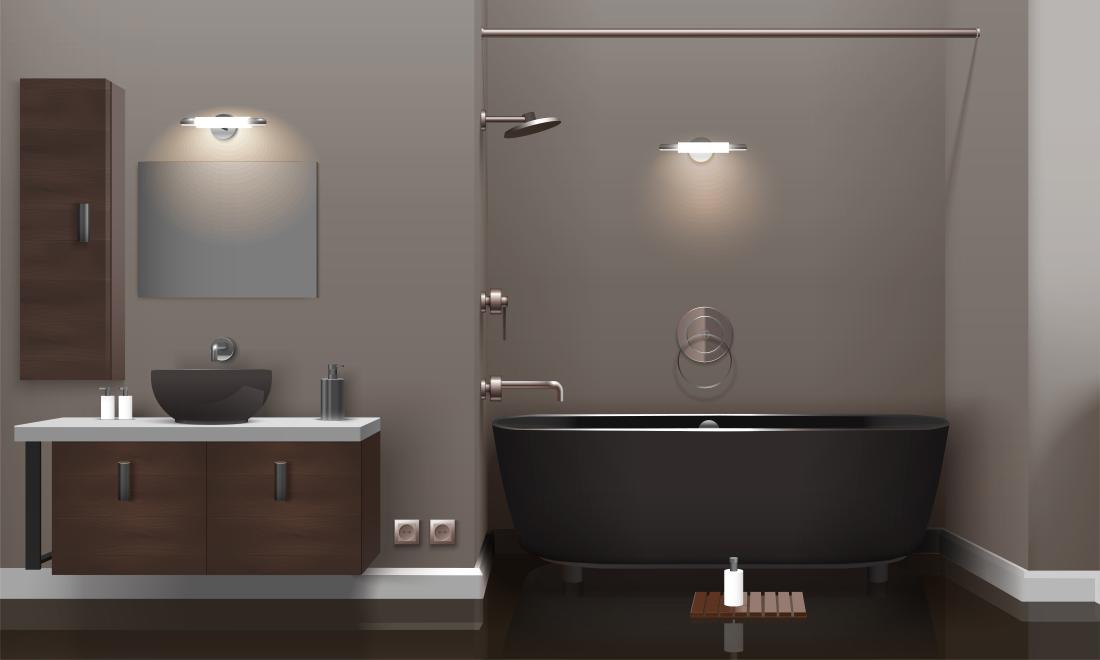
Before diving into the reasons behind its popularity, it helps to understand what microcement actually is. Microcement is a polymer-modified cementitious coating that can be applied directly over existing surfaces such as tiles, concrete, wood, plaster, and even some types of painted walls. It is typically only two to three millimetres thick, yet it creates an incredibly durable, water-resistant surface once sealed properly.
What makes it particularly suited for bathroom applications is its seamless nature. Unlike conventional tiles, microcement has no grout lines. This means there are no joints to collect mold, mildew, or soap scum, which is a common problem in humid environments like Malaysia. The result is a surface that looks clean, feels clean, and is genuinely easier to maintain over the long term.
In the context of modern bathroom microcement finish projects across Southeast Asia, this material has gained particular traction in high-end condominiums, boutique hotels, and landed properties where the owner wants a sophisticated, gallery-like aesthetic without the visual busyness of traditional tiling.
The Aesthetic Appeal: Why Modern Bathrooms Love Microcement
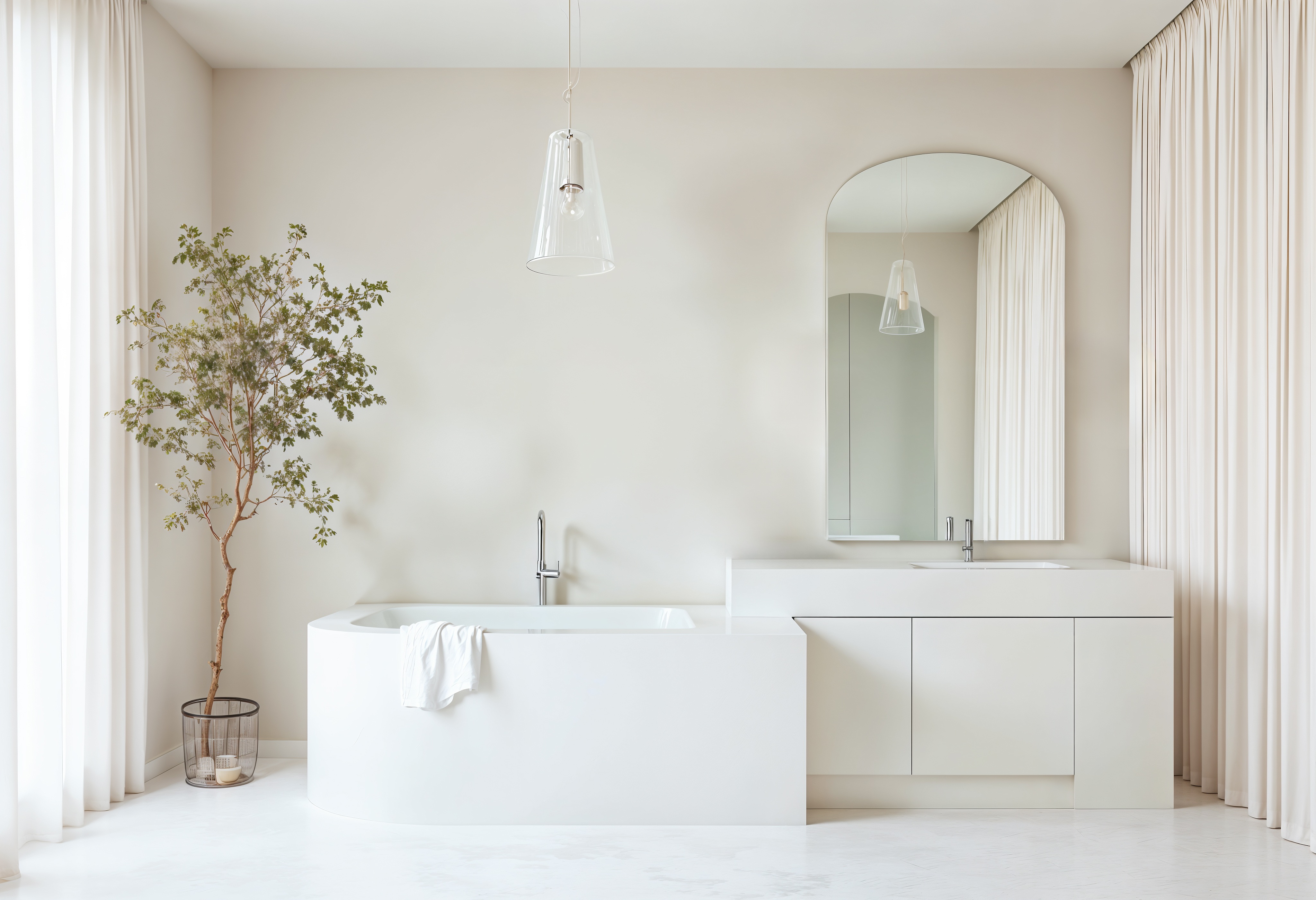
There is something deeply satisfying about a bathroom that feels like one continuous surface. When walls, floors, and even countertops share the same seamless finish, the space feels larger, calmer, and more considered. This is the visual power of microcement.
a. A Palette That Complements Malaysian Interiors
Microcement is available in a wide range of neutral and earthy tones that happen to pair beautifully with tropical timber, rattan, and the warm tones common in Malaysian interior design. From cool greys to warm sand and deep charcoal, the colour possibilities allow homeowners and designers to create bathrooms that feel grounded and peaceful, a retreat from the noise and heat of urban Malaysian life.
Interior designers in Kuala Lumpur have noted a significant shift in client preferences over the past few years. Where once homeowners asked for marble-look porcelain tiles or bold patterned encaustic tiles, they are increasingly requesting the understated, tactile quality that only a material like microcement can deliver. It photographs beautifully too, which is not a trivial consideration in an era where homes are frequently shared on Instagram and Pinterest.
b. Bringing the Spa Experience Home
There is a reason so many luxury spas and boutique hotels in Malaysia, from Kuala Lumpur city centre to the resort islands of Langkawi, have turned to microcement for their wellness spaces. The material evokes a sense of calm and minimalism that is hard to achieve with more conventional finishes. When homeowners see this in a hotel stay, it is only natural that they want to replicate it in their own bathrooms. Microcement allows them to do exactly that.
Practical Advantages of Microcement Bathroom Malaysia Projects
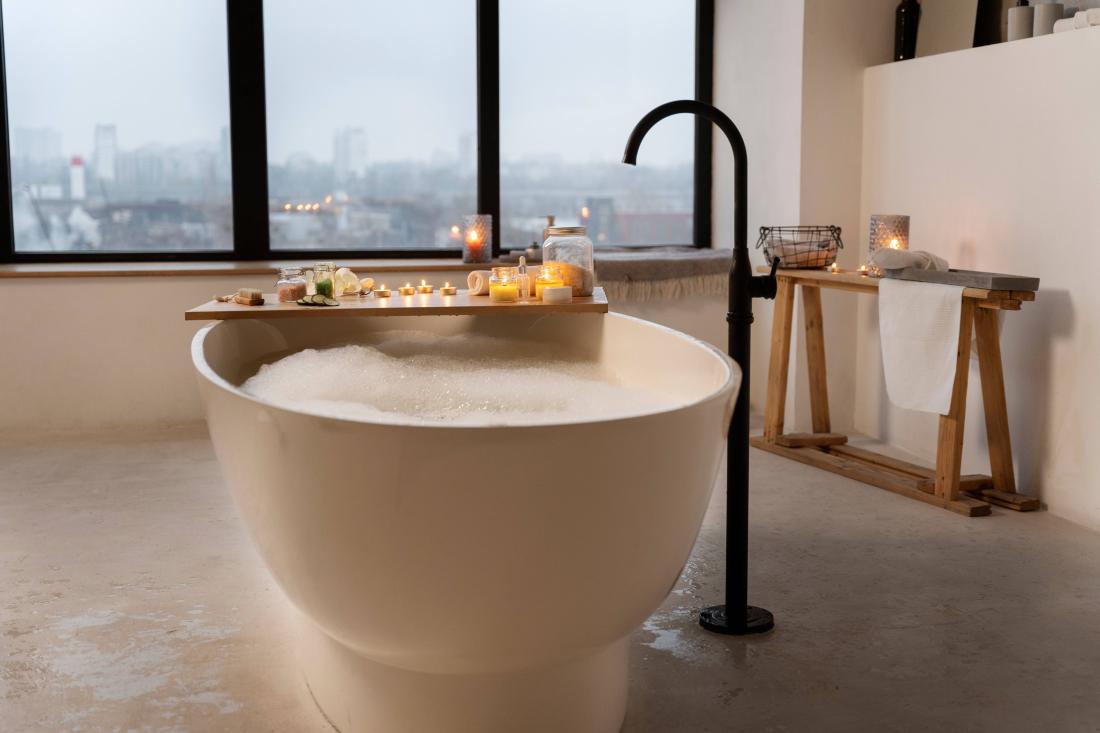
Aesthetics alone do not explain the surge in demand for microcement bathroom Malaysia installations. The material also brings a set of very practical advantages that make it genuinely sensible for the Malaysian climate and lifestyle.
a. Renovation Without the Mess and Downtime
One of the biggest selling points of microcement is that it can be applied directly over existing tiles without the need for hacking. In Malaysia, where older apartments and terrace houses often have layers of dated tiles in bathrooms and wet areas, this is a significant advantage. Traditional renovation requiring tile removal is noisy, dusty, generates a large amount of waste, and can damage the structural integrity of the floor or walls. Microcement sidesteps all of this.
Because it is applied as a thin coating, the entire application process from surface preparation to the final sealing coat can typically be completed within three to five days for an average bathroom. Compare this to a conventional tile renovation that might require a week or more of hacking, levelling, re-tiling, and grouting, and it becomes clear why more Malaysians are choosing microcement for their renovation projects.
b. Humidity Resistance in a Tropical Climate
Malaysia's tropical climate means that bathrooms are subjected to consistently high humidity, heavy monsoon rains, and temperature fluctuations that can cause many materials to degrade over time. Properly sealed microcement performs remarkably well in these conditions. The polyurethane or epoxy topcoats used in quality microcement systems create a watertight membrane that protects the underlying layers from moisture penetration.
This is a crucial point that any reputable microcement contractor in Malaysia will emphasise: the quality of the sealer is just as important as the quality of the microcement itself. With the right system and proper application, a microcement bathroom can last well over a decade while retaining its appearance with only routine cleaning and occasional resealing.
c. Versatility Across Surfaces and Spaces
Another reason microcement has become so popular in modern bathrooms is its ability to coat virtually any surface, including floors, walls, ceilings, shower enclosures, bathtub surrounds, and vanity countertops. Because it creates a continuous, joint-free surface across all these areas, it gives the bathroom a cohesive, architecturally resolved look that no other single material can achieve as easily.
Some designers in Malaysia have even begun extending microcement from the bathroom into adjacent bedrooms and living areas, creating a seamless flow of material through the entire interior. This kind of spatial continuity is a hallmark of contemporary design, and microcement makes it achievable without the complexity of trying to match tile formats or grout colours across different rooms.
Microcement vs Traditional Tiles: What Malaysian Homeowners Need to Know
It would be unfair to present microcement as a straightforward replacement for tiles in every situation. Like all materials, it comes with its own set of considerations, and the right choice depends on your priorities, budget, and lifestyle.
Tiles, particularly large-format porcelain tiles, remain a cost-effective and highly durable option for budget-conscious homeowners. They are widely available in Malaysia, easy to replace if a section is damaged, and require little specialist skill to maintain. For households with young children or tenants who are not careful with the space, tiles may simply be the more practical choice.
Microcement, on the other hand, requires a qualified applicator with experience in surface preparation, mixing ratios, and sealing techniques. The material is unforgiving of poor preparation, and any hairline cracks in the substrate or movement in the structure can telegraph through to the surface. This is why choosing the right contractor for a microcement bathroom Malaysia project is essential.
That said, for homeowners who are willing to invest in proper application and maintenance, the results speak for themselves. A well-executed microcement bathroom is simply in a different aesthetic league compared to most tile-based alternatives, and its longevity, when properly cared for, makes the investment worthwhile.
The Growing Demand for Modern Bathroom Microcement Finish in Malaysia
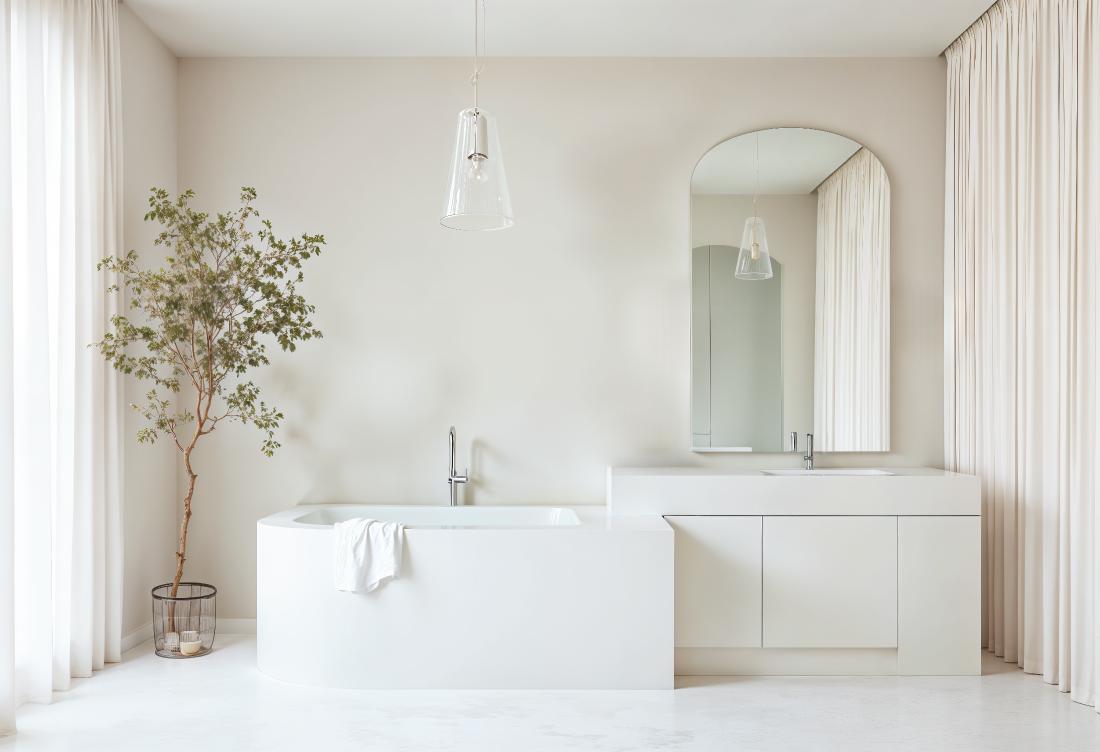
The microcement trend in Malaysia did not arrive overnight. It has been building steadily over the past half-decade, driven by a confluence of factors that include the influence of global design media, a growing appreciation for minimalist aesthetics among Malaysian millennials, and the rise of short-term rental platforms like Airbnb that encourage property owners to create Instagrammable spaces.
Interior design studios in Kuala Lumpur's Mont Kiara, Bangsar, and KLCC areas have been particularly active in introducing microcement to their clients, often showcasing it in their own studio spaces and showrooms. Word of mouth has done the rest. Once a homeowner sees a finished microcement bathroom in a friend's home or a boutique hotel, the question quickly shifts from whether to use it to who to call.
The supply side has also matured considerably. Several reputable microcement brands and trained applicators are now operating in Malaysia, making the material more accessible than it was just a few years ago. Prices have become more competitive as the market has grown, though quality installations still command a premium that reflects the skill and time required to do the job properly.
Sustainability and the Case for Microcement
In an era of growing environmental awareness, the sustainability credentials of building materials matter more than they used to. Microcement scores well here in several ways. Because it can be applied over existing surfaces without the need for demolition, it dramatically reduces the amount of construction waste generated during a renovation. In Malaysia, where landfill space is limited and waste management remains a challenge, this is no small consideration.
Microcement also uses significantly less raw material than traditional tiling systems, which require the manufacture, transport, and installation of heavy ceramic or porcelain tiles. The thin application of microcement has a lower embodied carbon footprint per square metre when compared to a full tile system, particularly when factoring in the logistics of tile delivery to urban high-rise projects in cities like Kuala Lumpur.
For homeowners and developers who are serious about sustainable building practices, choosing a modern bathroom microcement finish is not just an aesthetic decision. It is also a quietly responsible one.
Frequently Asked Questions About Microcement Bathrooms
a. Is microcement bathroom Malaysia suitable for wet areas and showers?
Yes, microcement is absolutely suitable for wet areas including shower enclosures, wet floors, and areas of constant water exposure, provided it is correctly prepared and sealed with the appropriate waterproofing topcoat. In Malaysia, where bathrooms are often wet rooms without a shower tray, this is particularly important. Always ensure your contractor uses a high-quality polyurethane or epoxy sealer rated for continuous water contact, and ask about the maintenance schedule to keep the sealer in optimal condition.
b. How long does a modern bathroom microcement finish actually last?
With proper application and regular maintenance, a microcement bathroom can last anywhere from ten to twenty years or longer. The key factors are the quality of the substrate preparation, the skill of the applicator, the quality of the sealer used, and how well the surface is maintained by the occupants. In a typical Malaysian household, the surface should be cleaned with pH-neutral products and resealed every two to three years depending on usage and wear. Avoid abrasive cleaners, harsh chemicals, and rough scrubbing pads, which can degrade the topcoat over time.
c. Is microcement more expensive than tiles for a bathroom renovation in Malaysia?
Generally speaking, yes, a professionally applied microcement bathroom will cost more upfront than a mid-range tile installation. The higher cost reflects the specialised skill required, the multi-layer application process, and the premium materials used. However, when you factor in the savings from not having to hack out existing tiles, the reduced renovation downtime, and the long-term durability of the surface, many Malaysian homeowners find that the total cost of ownership is comparable or even lower over the lifespan of the bathroom. For those renovating a condominium or landed home with an existing tile substrate, the cost gap can narrow considerably.
Final Thoughts: Why Microcement Is Here to Stay
The rise of microcement in modern bathrooms is not a passing trend. It reflects a deeper shift in how Malaysians and homeowners globally are thinking about their living spaces. We want our homes to feel calm, spacious, and intentional. We want materials that do not just look good on day one but age gracefully and hold up to the demands of real life. We want renovation processes that are efficient and minimally disruptive. Microcement delivers on all of these fronts.
Whether you are renovating an older bathroom in a Malaysian terrace house, upgrading a condominium unit for the rental market, or designing a brand new home from scratch, microcement deserves serious consideration. It is one of those materials that, once you understand what it can do, becomes very difficult to ignore.
If you are considering a microcement bathroom Malaysia project, the most important step is finding an experienced applicator who can assess your existing substrate, recommend the right product system, and give you a realistic picture of what to expect throughout the process. Done well, a microcement bathroom is not just a renovation. It is a transformation.