Structure
Ceiling Specialist in Malaysia: The Architects of Overhead Serenity and Space
Dec 22 2025
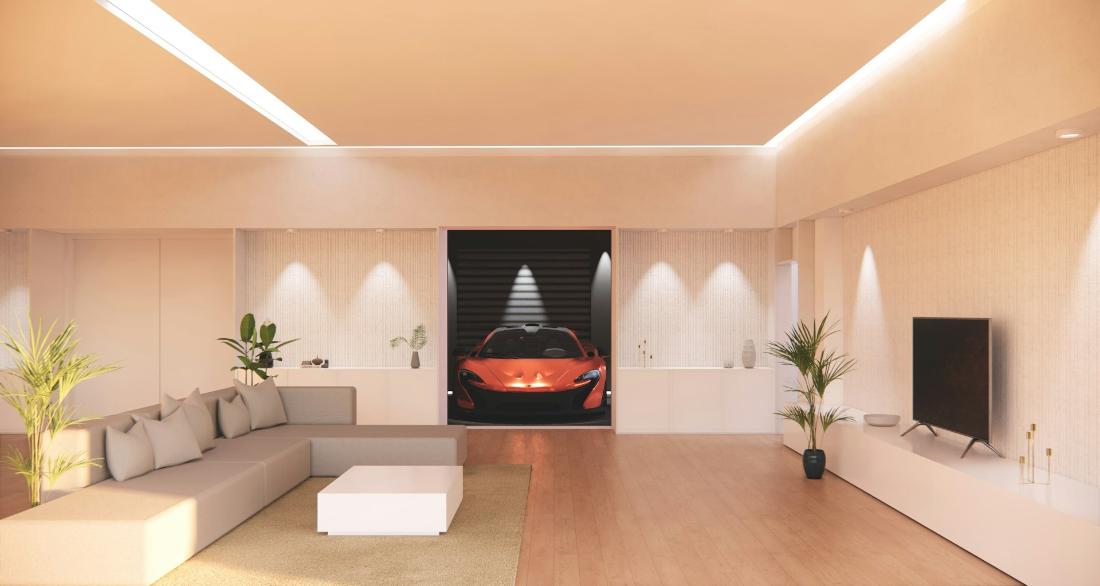
In the quiet moments of a Malaysian evening, as the ceiling fan turns with a gentle hum and the soft glow of a recessed light illuminates a room, it’s easy to overlook the fifth wall—the ceiling. Yet, this often-unnoticed plane is a silent orchestrator of our domestic and commercial environments. It defines the volume of a space, controls the quality of light and sound, conceals a tangle of essential services, and provides a crucial barrier against the heat gathering at the apex of every building. The professional who masters this complex overhead realm is the ceiling specialist. Far more than an installer of plasterboard, this expert is a designer of spatial perception, an engineer of acoustics and climate, and a meticulous problem-solver who works to ensure the space above our heads is one of order, comfort, and quiet beauty. Their craft is fundamental to creating interiors that feel complete, considered, and calmly contained.
The significance of a well-executed ceiling in the Malaysian context cannot be overstated, as it directly confronts the nation’s most pressing environmental challenge: heat. Hot air naturally rises, and in a tropical climate, a poorly designed ceiling allows this accumulated heat to radiate back into the living space, forcing air conditioning systems to work harder and increasing energy costs dramatically. The ceiling specialist’s first duty is therefore one of thermal management. They are experts in installing insulation materials—from reflective foil barriers to bulk insulation like fibreglass or rockwool—within the ceiling cavity. This creates a critical thermal break, dramatically slowing the transfer of heat from the sun-baked roof into the room below. For spaces with exposed roofs, such as warehouses or industrial-chic lofts, they apply specialised insulating paints or install thermally broken ceiling systems. This focus on thermal performance is not an add-on but a core principle, making the ceiling a key component in the fight for energy efficiency and indoor comfort.
Beyond climate control, the ceiling is the primary canvas for managing a room’s artificial environment. It houses the infrastructure of modern living. Electrical conduits, air-conditioning ducting, water pipes, data cables, and sprinkler systems all converge in the space above a false ceiling. A ceiling specialist is the maestro who orchestrates this hidden chaos. They work in close consultation with electricians, HVAC engineers, and IT teams during the planning stage to design a ceiling framework that accommodates all these services while maintaining necessary clearances and access points. They then build the suspended grid—typically from galvanised steel channels—with precise levelling to create a perfectly flat plane from which the ceiling panels will hang. This structural skeleton must be robust enough to support the weight of light fixtures, air-con diffusers, and sometimes even maintenance personnel, all while complying with stringent fire safety regulations that dictate the use of specific materials and assembly methods in commercial buildings.
The significance of a well-executed ceiling in the Malaysian context cannot be overstated, as it directly confronts the nation’s most pressing environmental challenge: heat. Hot air naturally rises, and in a tropical climate, a poorly designed ceiling allows this accumulated heat to radiate back into the living space, forcing air conditioning systems to work harder and increasing energy costs dramatically. The ceiling specialist’s first duty is therefore one of thermal management. They are experts in installing insulation materials—from reflective foil barriers to bulk insulation like fibreglass or rockwool—within the ceiling cavity. This creates a critical thermal break, dramatically slowing the transfer of heat from the sun-baked roof into the room below. For spaces with exposed roofs, such as warehouses or industrial-chic lofts, they apply specialised insulating paints or install thermally broken ceiling systems. This focus on thermal performance is not an add-on but a core principle, making the ceiling a key component in the fight for energy efficiency and indoor comfort.
Beyond climate control, the ceiling is the primary canvas for managing a room’s artificial environment. It houses the infrastructure of modern living. Electrical conduits, air-conditioning ducting, water pipes, data cables, and sprinkler systems all converge in the space above a false ceiling. A ceiling specialist is the maestro who orchestrates this hidden chaos. They work in close consultation with electricians, HVAC engineers, and IT teams during the planning stage to design a ceiling framework that accommodates all these services while maintaining necessary clearances and access points. They then build the suspended grid—typically from galvanised steel channels—with precise levelling to create a perfectly flat plane from which the ceiling panels will hang. This structural skeleton must be robust enough to support the weight of light fixtures, air-con diffusers, and sometimes even maintenance personnel, all while complying with stringent fire safety regulations that dictate the use of specific materials and assembly methods in commercial buildings.
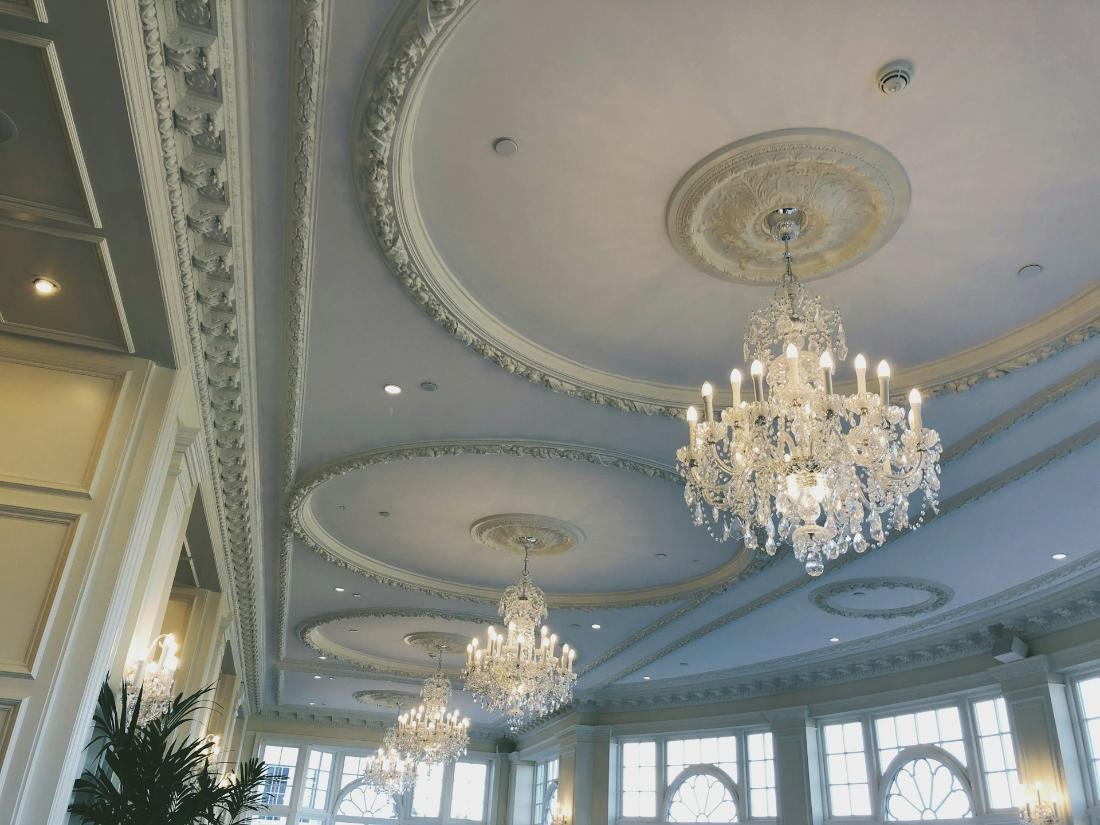
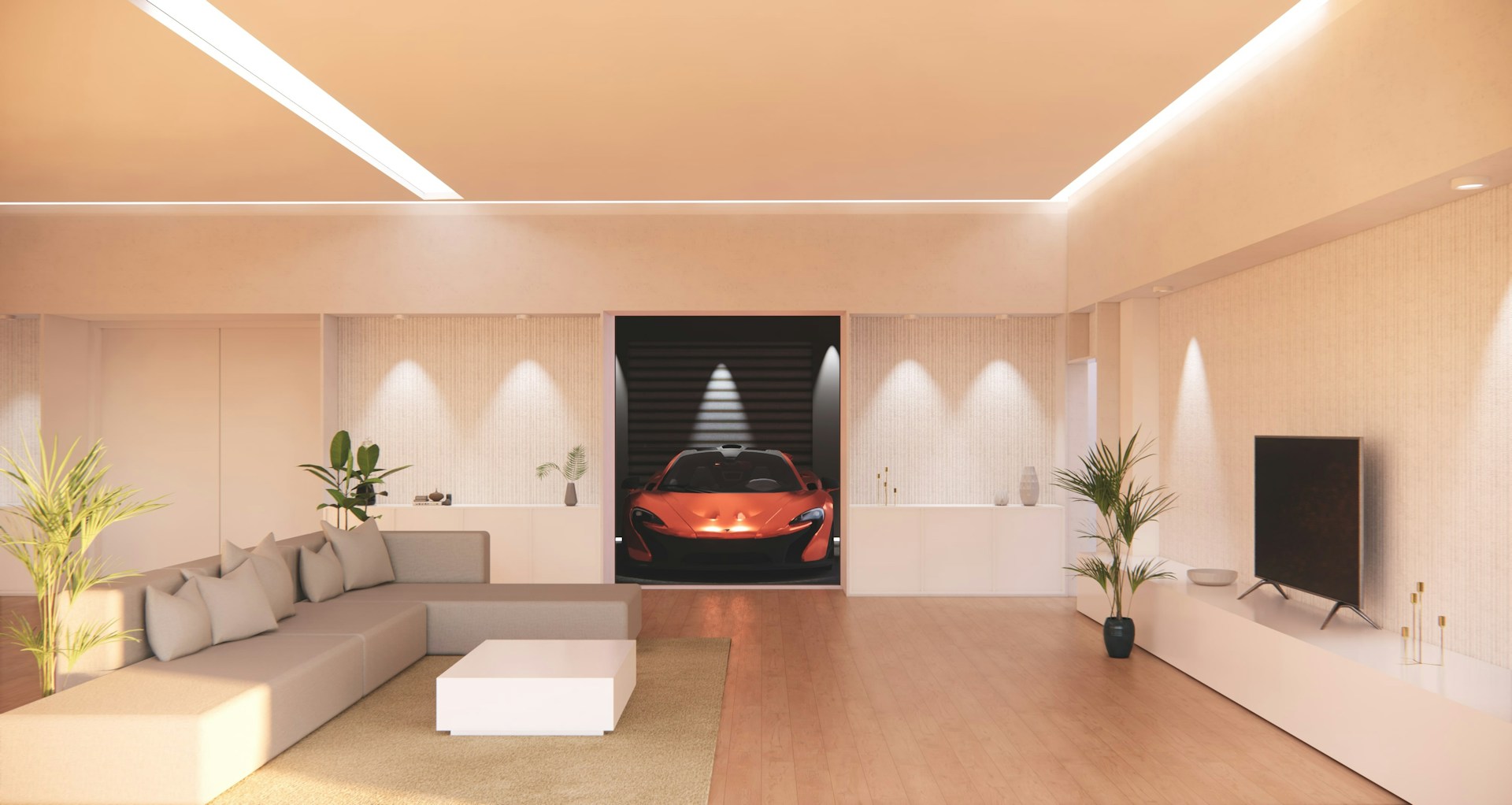
The aesthetic and functional character of a room is largely shaped by the choice of ceiling system, and here the specialist serves as an essential guide. The most common solution is the suspended plasterboard (drywall) ceiling, prized for its seamless, monolithic appearance. The specialist’s skill in installing, taping, and finishing plasterboard to achieve flawlessly smooth surfaces and sharp, clean cornices is a mark of true craftsmanship. For areas requiring accessibility, such as offices or hospitals, they install modular suspended ceilings with acoustic tiles. These tiles come in various materials—mineral fibre for superior sound absorption, metal for durability and a modern look, or PVC for moisture resistance in wet areas like kitchens and bathrooms. For grander statements, the specialist works with more expressive materials: installing elegant stretch ceilings that can incorporate dramatic backlighting, fixing linear timber battens for a warm, rhythmic effect, or constructing complex cove and tray ceilings that add architectural depth and sophistication. Each system serves a different purpose, balancing aesthetics with requirements for acoustics, maintenance, and budget.
In a nation of dense urban living, acoustic comfort is a luxury that the ceiling specialist is uniquely positioned to provide. Noise transmission, particularly impact noise from footsteps in the unit above, is a common complaint in apartments and condominiums. A specialist addresses this through targeted acoustic design. They install resilient channels between the structural slab and the plasterboard ceiling to decouple the two surfaces, preventing sound vibrations from travelling directly through. They fill the ceiling cavity with sound-absorbing insulation, which dampens both airborne and impact noise. For commercial spaces like open-plan offices, restaurants, or schools, they specify ceiling tiles with high Noise Reduction Coefficient (NRC) ratings to absorb conversational noise and reduce reverberation, preventing the space from becoming a cacophonous echo chamber. By engineering the ceiling to manage sound, they transform a space from one that is merely enclosed to one that is truly peaceful and functionally comfortable.
The ceiling specialist’s work is also deeply concerned with moisture and the persistent threat of mould, a ubiquitous enemy in Malaysia’s humidity. Bathrooms, kitchens, and even rooms with air-conditioning units that condensate improperly are high-risk zones. Here, the specialist selects and installs moisture-resistant materials. For wet areas, they use green moisture-resistant plasterboard (MR Board) or, even better, cement board as a substrate. They ensure all joints are properly sealed with fibreglass tape and specialised waterproof joint compounds. In spaces like swimming pool enclosures or commercial kitchens, they might install corrosion-resistant aluminium ceiling panels or PVC ceiling systems that are completely impervious to water and can be easily cleaned. Their expertise extends to designing adequate ventilation within the ceiling cavity itself, preventing stagnant, humid air from becoming a breeding ground for mould and compromising the structure. This proactive approach to moisture management protects both the building’s integrity and the health of its occupants.
In a nation of dense urban living, acoustic comfort is a luxury that the ceiling specialist is uniquely positioned to provide. Noise transmission, particularly impact noise from footsteps in the unit above, is a common complaint in apartments and condominiums. A specialist addresses this through targeted acoustic design. They install resilient channels between the structural slab and the plasterboard ceiling to decouple the two surfaces, preventing sound vibrations from travelling directly through. They fill the ceiling cavity with sound-absorbing insulation, which dampens both airborne and impact noise. For commercial spaces like open-plan offices, restaurants, or schools, they specify ceiling tiles with high Noise Reduction Coefficient (NRC) ratings to absorb conversational noise and reduce reverberation, preventing the space from becoming a cacophonous echo chamber. By engineering the ceiling to manage sound, they transform a space from one that is merely enclosed to one that is truly peaceful and functionally comfortable.
The ceiling specialist’s work is also deeply concerned with moisture and the persistent threat of mould, a ubiquitous enemy in Malaysia’s humidity. Bathrooms, kitchens, and even rooms with air-conditioning units that condensate improperly are high-risk zones. Here, the specialist selects and installs moisture-resistant materials. For wet areas, they use green moisture-resistant plasterboard (MR Board) or, even better, cement board as a substrate. They ensure all joints are properly sealed with fibreglass tape and specialised waterproof joint compounds. In spaces like swimming pool enclosures or commercial kitchens, they might install corrosion-resistant aluminium ceiling panels or PVC ceiling systems that are completely impervious to water and can be easily cleaned. Their expertise extends to designing adequate ventilation within the ceiling cavity itself, preventing stagnant, humid air from becoming a breeding ground for mould and compromising the structure. This proactive approach to moisture management protects both the building’s integrity and the health of its occupants.


When problems arise—a water stain from a leak, a crack from structural movement, or sagging panels from humidity—the ceiling specialist becomes a forensic repairer. Diagnosing the cause is paramount. A water stain requires locating and fixing the source of the leak before any repair can begin. A crack might need to be turned into a control joint or addressed with flexible compounds. Sagging plasterboard often necessitates cutting out the damaged section, reinforcing the framework, and installing a new piece with a seamless finish. The specialist’s repair work is surgical, aiming to restore the ceiling to its original condition while ensuring the underlying issue is resolved. This restorative skill is invaluable, as it allows property owners to address defects without the cost and disruption of a full ceiling replacement, preserving the original design and materials.
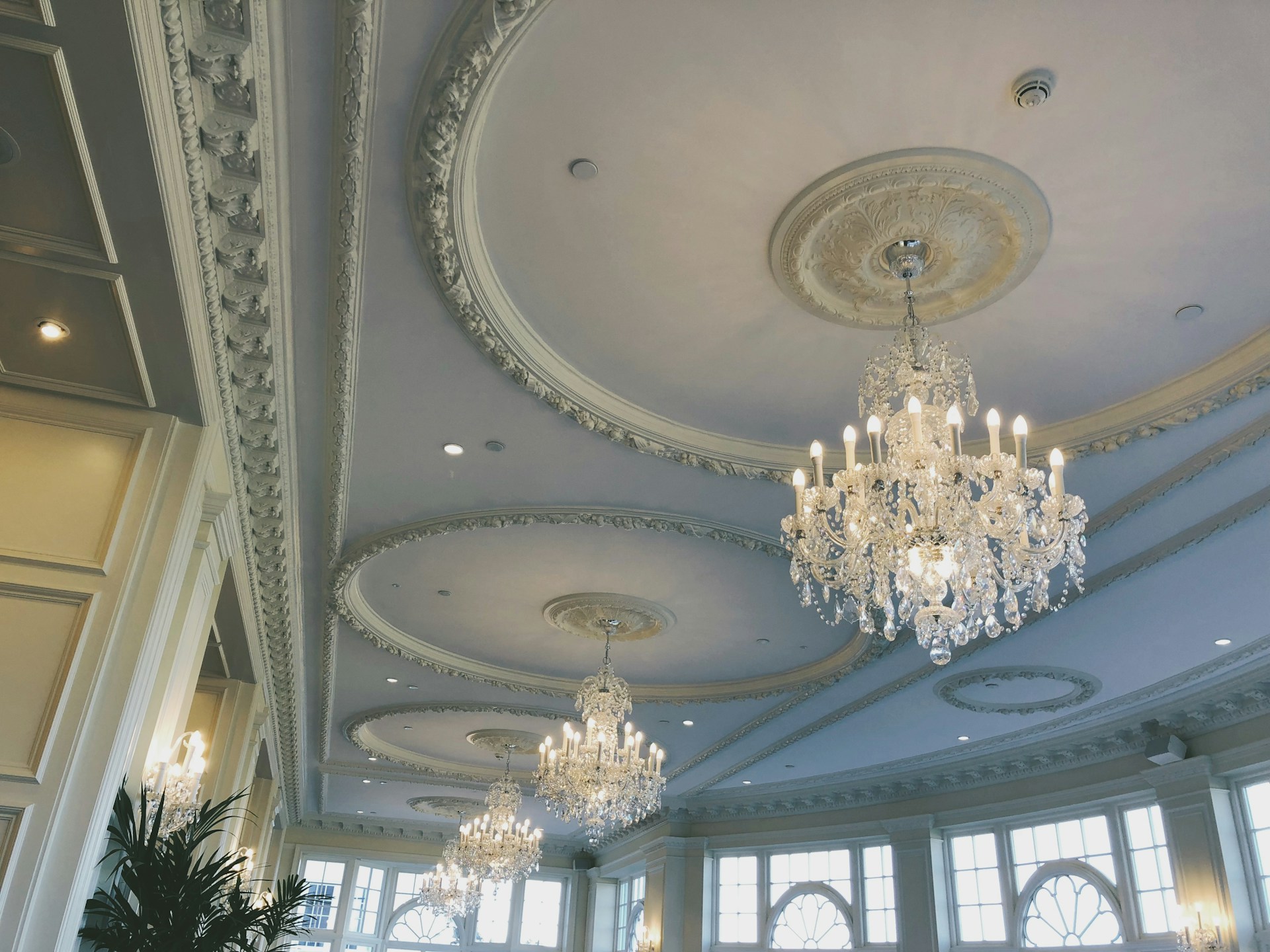
From the practical terraces of Shah Alam to the luxurious penthouses of Kuala Lumpur, the ceiling specialist adapts their craft to a vast array of settings. In a standard residential renovation, they focus on creating clean lines, integrating discreet lighting, and improving thermal performance. In a heritage restoration project, they might be tasked with repairing ornate cornice work or recreating traditional papier-mâché ceiling roses with modern, lightweight materials. For large-scale commercial projects—airports, shopping malls, hospitals—their role expands into project management, coordinating the installation of vast, complex ceiling systems that must integrate with elaborate lighting, fire safety, and air-handling designs. This versatility underscores that their expertise is not in a single product, but in understanding the principles of overhead construction and applying them to meet vastly different functional and aesthetic demands.
Ultimately, the value of engaging a professional ceiling specialist lies in the creation of a serene, functional, and finished overhead plane. The ceiling is the final, unifying layer of an interior. A poorly conceived or executed ceiling draws attention for all the wrong reasons: visible joints, uneven surfaces, poor lighting integration, and acoustic discomfort. In contrast, a specialist-crafted ceiling recedes from notice, creating a sense of orderly expanse. It quietly performs its duties—cooling, concealing, quieting, and illuminating—allowing the room and its occupants to inhabit the space comfortably. It is the hallmark of a thoroughly considered interior. In striving for this overhead perfection, the ceiling specialist does more than install tiles or plasterboard; they complete the architectural envelope, crafting the serene sky of our built environment, and proving that true quality in construction is often found not in what shouts for attention, but in what effortlessly, and beautifully, endures.
From the practical terraces of Shah Alam to the luxurious penthouses of Kuala Lumpur, the ceiling specialist adapts their craft to a vast array of settings. In a standard residential renovation, they focus on creating clean lines, integrating discreet lighting, and improving thermal performance. In a heritage restoration project, they might be tasked with repairing ornate cornice work or recreating traditional papier-mâché ceiling roses with modern, lightweight materials. For large-scale commercial projects—airports, shopping malls, hospitals—their role expands into project management, coordinating the installation of vast, complex ceiling systems that must integrate with elaborate lighting, fire safety, and air-handling designs. This versatility underscores that their expertise is not in a single product, but in understanding the principles of overhead construction and applying them to meet vastly different functional and aesthetic demands.
Ultimately, the value of engaging a professional ceiling specialist lies in the creation of a serene, functional, and finished overhead plane. The ceiling is the final, unifying layer of an interior. A poorly conceived or executed ceiling draws attention for all the wrong reasons: visible joints, uneven surfaces, poor lighting integration, and acoustic discomfort. In contrast, a specialist-crafted ceiling recedes from notice, creating a sense of orderly expanse. It quietly performs its duties—cooling, concealing, quieting, and illuminating—allowing the room and its occupants to inhabit the space comfortably. It is the hallmark of a thoroughly considered interior. In striving for this overhead perfection, the ceiling specialist does more than install tiles or plasterboard; they complete the architectural envelope, crafting the serene sky of our built environment, and proving that true quality in construction is often found not in what shouts for attention, but in what effortlessly, and beautifully, endures.