Structure
Steel Product in Malaysia: The Backbone of a Modern Nation
Jan 7 2026
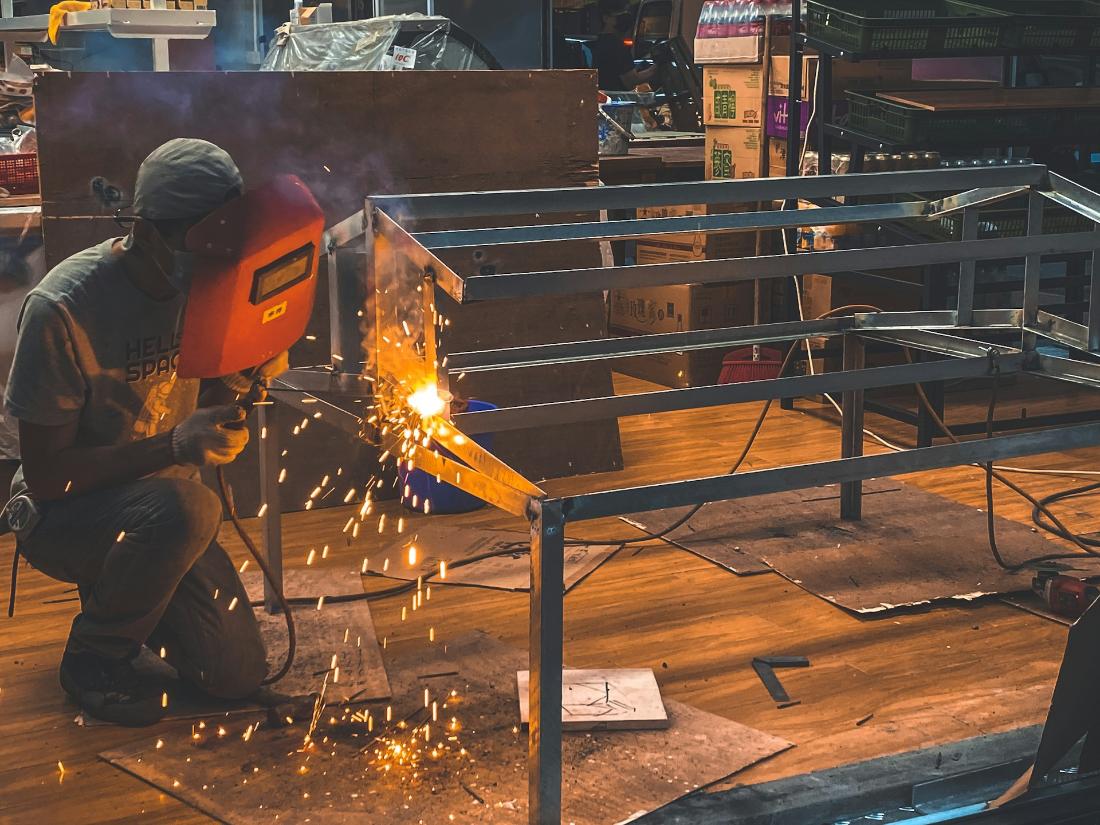
From the soaring towers of the TRX Exchange to the vast span of the Penang Bridge, the skeleton of modern Malaysia is forged from steel. It is a material of quiet ubiquity, hidden within the walls of our homes as reinforcing bars, framing the factories in industrial zones, and forming the sturdy shelves of a neighbourhood kedai runcit. More than a commodity, steel is the fundamental enabler of progress, a testament to human ingenuity in shaping one of Earth's most basic elements into the literal framework for safety, growth, and innovation. The story of steel products in Malaysia is not one of cold, inert metal; it is a dynamic narrative of national development, engineering prowess, and the meticulous supply chains that ensure the right grade of steel finds its way to the right project, from the mightiest infrastructure venture to the most delicate custom fabrication.
The journey of a steel product begins long before it arrives on a construction site or factory floor. It starts with understanding its extraordinary properties—strength, durability, malleability, and recyclability—that make it indispensable. In Malaysia's demanding tropical environment, these properties are tested relentlessly. Humidity encourages corrosion, and intense sunlight can affect certain coatings. Therefore, the production and specification of steel are not generic processes. Malaysian manufacturers and suppliers have evolved to produce and stock steels tailored to local challenges. This means a focus on corrosion-resistant grades, the application of protective coatings like galvanisation (a zinc layer) or the use of weathering steel that forms a stable rust-like patina, and the engineering of specific alloys that can withstand the structural loads and environmental stresses unique to Southeast Asia. The industry's sophistication lies in this precise matching of material science to application, ensuring that steel does not just endure, but performs optimally for its intended lifespan.
At the very foundation of the built environment lies one of the most critical steel products: reinforcement steel, or rebar. This is the hidden musculature within the concrete of every building, bridge, and dam in Malaysia. Concrete is immensely strong in compression but weak in tension; rebar embedded within it absorbs tensile stresses, allowing concrete to be used in complex, load-bearing structures. The manufacturing of rebar is a high-precision industry, with strict adherence to Malaysian Standards (MS) that dictate rib patterns for better bonding with concrete, yield strength, and chemical composition. On any major construction site, from the MRT tunnels beneath Kuala Lumpur to a new hospital block in Kuching, the arrival of certified, batch-tested rebar is a milestone. Its correct specification, cutting, bending, and placement are governed by detailed engineering drawings and inspected rigorously, for the safety of every structure and every person who will ever use it depends on this unseen steel web.
The journey of a steel product begins long before it arrives on a construction site or factory floor. It starts with understanding its extraordinary properties—strength, durability, malleability, and recyclability—that make it indispensable. In Malaysia's demanding tropical environment, these properties are tested relentlessly. Humidity encourages corrosion, and intense sunlight can affect certain coatings. Therefore, the production and specification of steel are not generic processes. Malaysian manufacturers and suppliers have evolved to produce and stock steels tailored to local challenges. This means a focus on corrosion-resistant grades, the application of protective coatings like galvanisation (a zinc layer) or the use of weathering steel that forms a stable rust-like patina, and the engineering of specific alloys that can withstand the structural loads and environmental stresses unique to Southeast Asia. The industry's sophistication lies in this precise matching of material science to application, ensuring that steel does not just endure, but performs optimally for its intended lifespan.
At the very foundation of the built environment lies one of the most critical steel products: reinforcement steel, or rebar. This is the hidden musculature within the concrete of every building, bridge, and dam in Malaysia. Concrete is immensely strong in compression but weak in tension; rebar embedded within it absorbs tensile stresses, allowing concrete to be used in complex, load-bearing structures. The manufacturing of rebar is a high-precision industry, with strict adherence to Malaysian Standards (MS) that dictate rib patterns for better bonding with concrete, yield strength, and chemical composition. On any major construction site, from the MRT tunnels beneath Kuala Lumpur to a new hospital block in Kuching, the arrival of certified, batch-tested rebar is a milestone. Its correct specification, cutting, bending, and placement are governed by detailed engineering drawings and inspected rigorously, for the safety of every structure and every person who will ever use it depends on this unseen steel web.
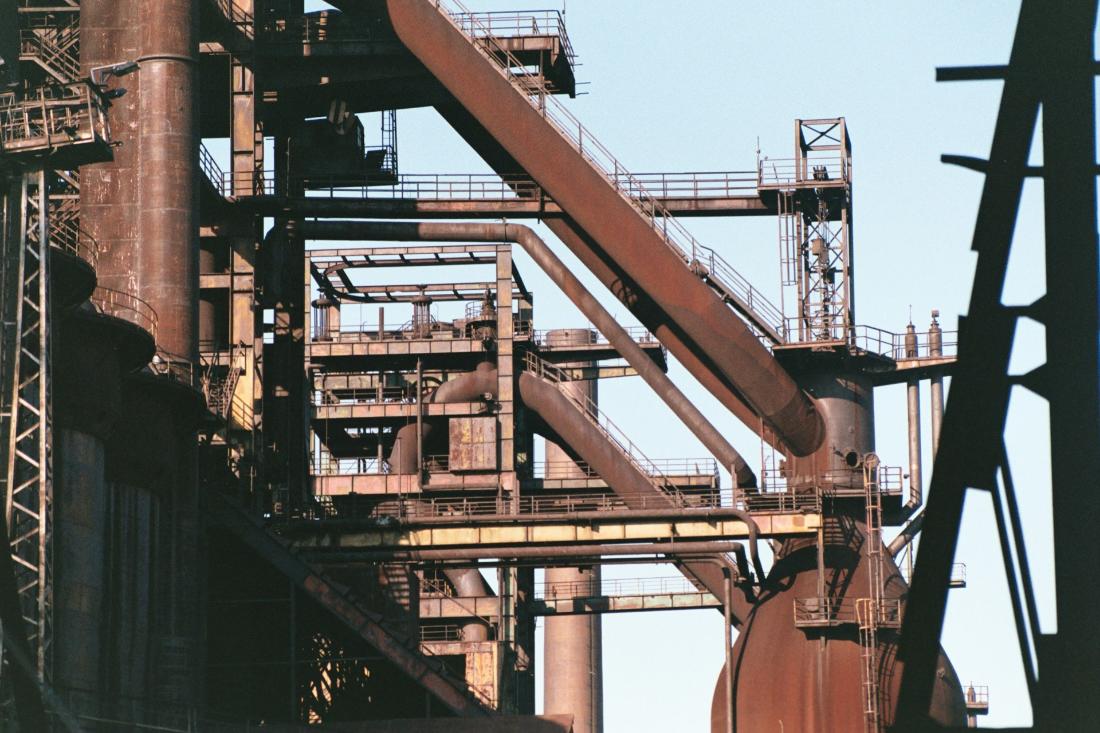
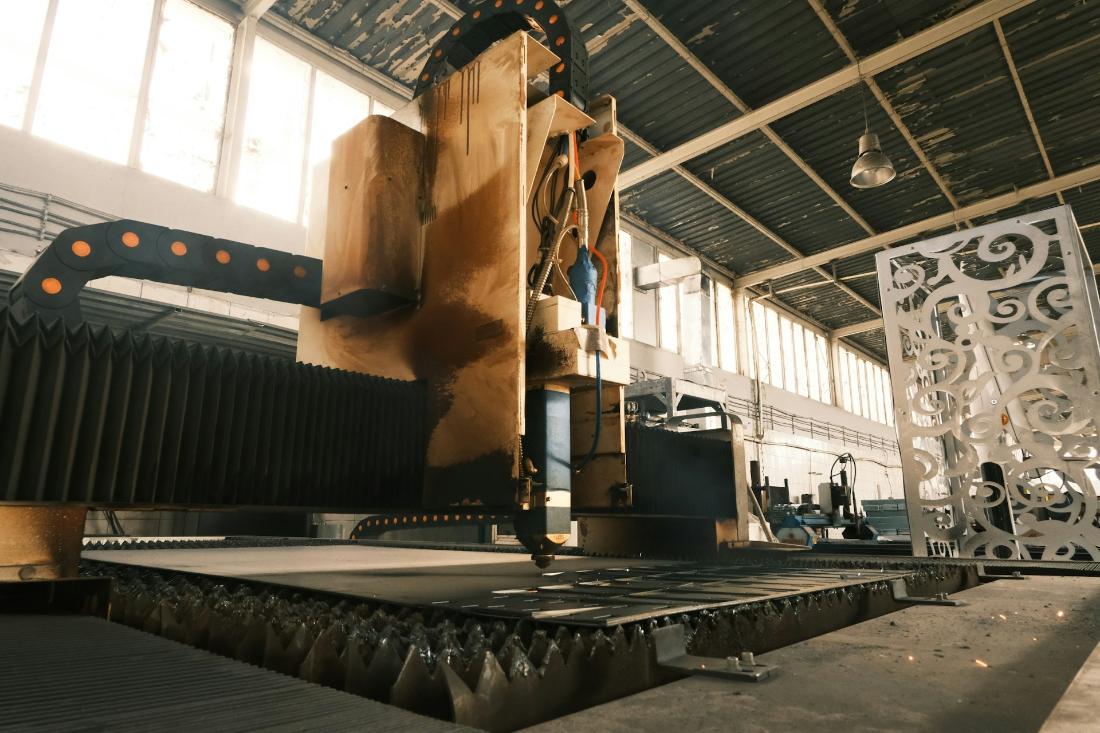
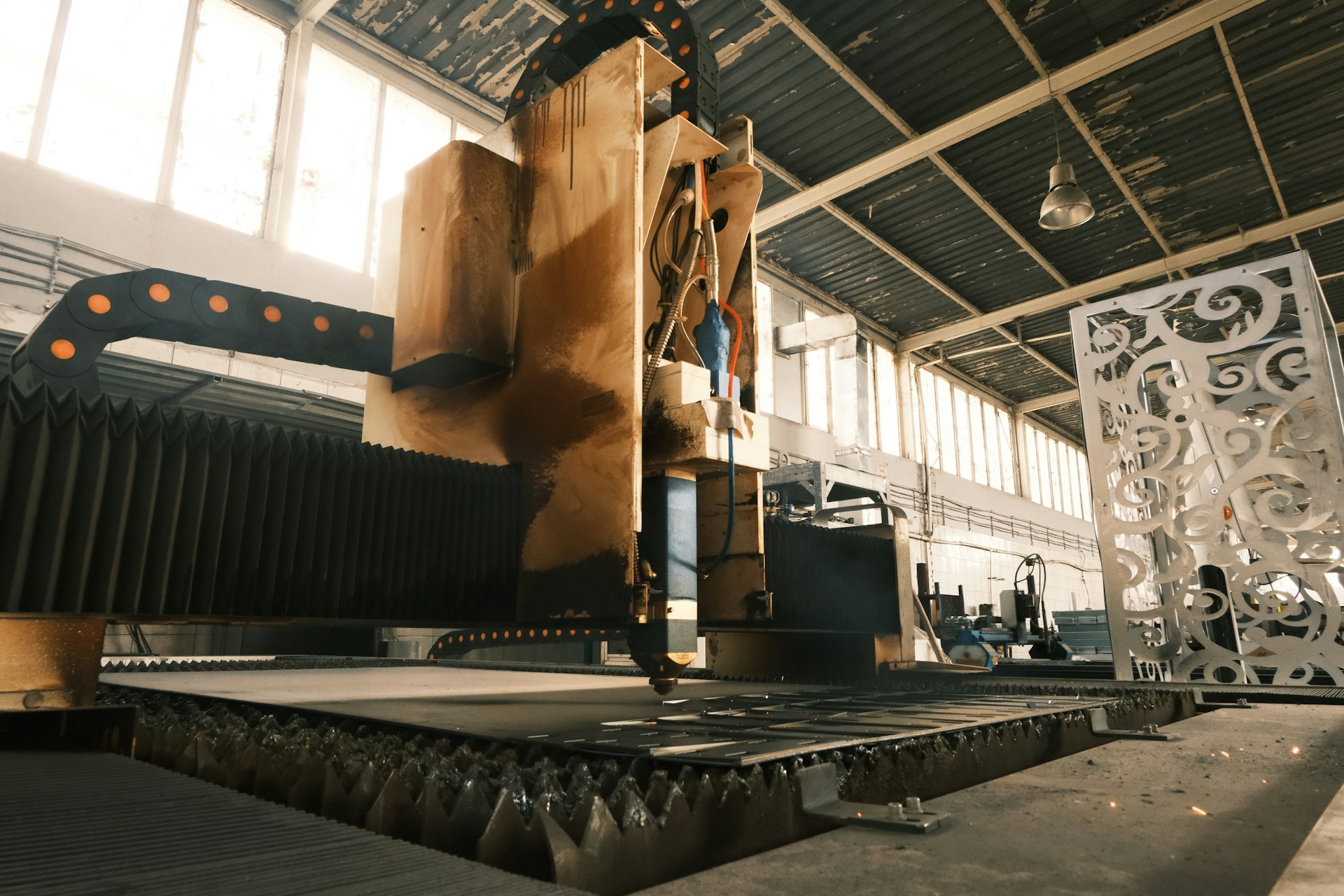
Beyond the hidden rebar, structural steel shapes form the visible bones of modern architecture and industry. These are the I-beams, H-beams, channels, and angles that create the skeletons of warehouses, airport terminals, stadium roofs, and high-rise buildings. The fabrication of these elements has become a high-tech process. Modern Malaysian fabricators use computer-aided design (CAD) and detailing to model entire structures before a single beam is cut. Computer Numerical Control (CNC) machines then plasma-cut or saw the raw steel with laser-like precision. The components are often pre-welded into larger modules or trusses in controlled factory conditions before being transported to site for assembly. This method of Design for Manufacture and Assembly (DfMA) improves quality, reduces on-site waste and labour, and accelerates construction timelines. The sight of a crane lifting a prefabricated steel truss into place is a powerful symbol of this efficient, modern approach to building Malaysia's future.
For the everyday consumer and smaller-scale builder, the most familiar steel products are likely those made from steel sheets and coils. This is the versatile, flat-rolled steel that is transformed through secondary fabrication. It becomes the corrugated roofing and siding (often referred to as "zinc" or "MGI" sheets) that shelters homes and factories, prized for its durability and weather resistance. It is pressed into the profiles of lightweight steel framing (LSF) for partition walls and ceilings, a faster, straighter alternative to timber. It is fabricated into the utilitarian shelves, lockers, and workbenches that organise workshops and storerooms across the nation. Further processing through coating lines produces Colour Coated Steel (CCS), where a galvanised steel coil is painted in a vast array of colours. This product is essential for modern architectural cladding, industrial doors, and residential gates, combining the strength of steel with aesthetic flexibility and enhanced corrosion protection. The journey from a giant coil in a mill to a brightly coloured roof on a terrace house in Subang Jaya is a testament to a mature and responsive manufacturing ecosystem.
The narrative of steel in Malaysia is also one of adaptation and specialisation. Not all steel is created equal, and the market caters to highly specific needs. The oil and gas industry, centred in places like Kerteh and Pengerang, requires pipes and plates made from special grades of carbon steel or alloy steel that can withstand high pressures, corrosive fluids, and extreme temperatures. The automotive manufacturing sector demands high-strength, lightweight steel for vehicle chassis and components, often supplied as precisely blanked parts. For food processing plants and pharmaceutical facilities, the requirement shifts to stainless steel—an alloy containing chromium that resists rust and contamination. Here, products like sanitary tubing, hygienic cladding, and food-grade processing tables are fabricated, where cleanliness and corrosion resistance are paramount. This diversification shows an industry that has moved beyond basic commodity supply to become a sophisticated partner in advanced manufacturing and value-added production.
For the everyday consumer and smaller-scale builder, the most familiar steel products are likely those made from steel sheets and coils. This is the versatile, flat-rolled steel that is transformed through secondary fabrication. It becomes the corrugated roofing and siding (often referred to as "zinc" or "MGI" sheets) that shelters homes and factories, prized for its durability and weather resistance. It is pressed into the profiles of lightweight steel framing (LSF) for partition walls and ceilings, a faster, straighter alternative to timber. It is fabricated into the utilitarian shelves, lockers, and workbenches that organise workshops and storerooms across the nation. Further processing through coating lines produces Colour Coated Steel (CCS), where a galvanised steel coil is painted in a vast array of colours. This product is essential for modern architectural cladding, industrial doors, and residential gates, combining the strength of steel with aesthetic flexibility and enhanced corrosion protection. The journey from a giant coil in a mill to a brightly coloured roof on a terrace house in Subang Jaya is a testament to a mature and responsive manufacturing ecosystem.
The narrative of steel in Malaysia is also one of adaptation and specialisation. Not all steel is created equal, and the market caters to highly specific needs. The oil and gas industry, centred in places like Kerteh and Pengerang, requires pipes and plates made from special grades of carbon steel or alloy steel that can withstand high pressures, corrosive fluids, and extreme temperatures. The automotive manufacturing sector demands high-strength, lightweight steel for vehicle chassis and components, often supplied as precisely blanked parts. For food processing plants and pharmaceutical facilities, the requirement shifts to stainless steel—an alloy containing chromium that resists rust and contamination. Here, products like sanitary tubing, hygienic cladding, and food-grade processing tables are fabricated, where cleanliness and corrosion resistance are paramount. This diversification shows an industry that has moved beyond basic commodity supply to become a sophisticated partner in advanced manufacturing and value-added production.
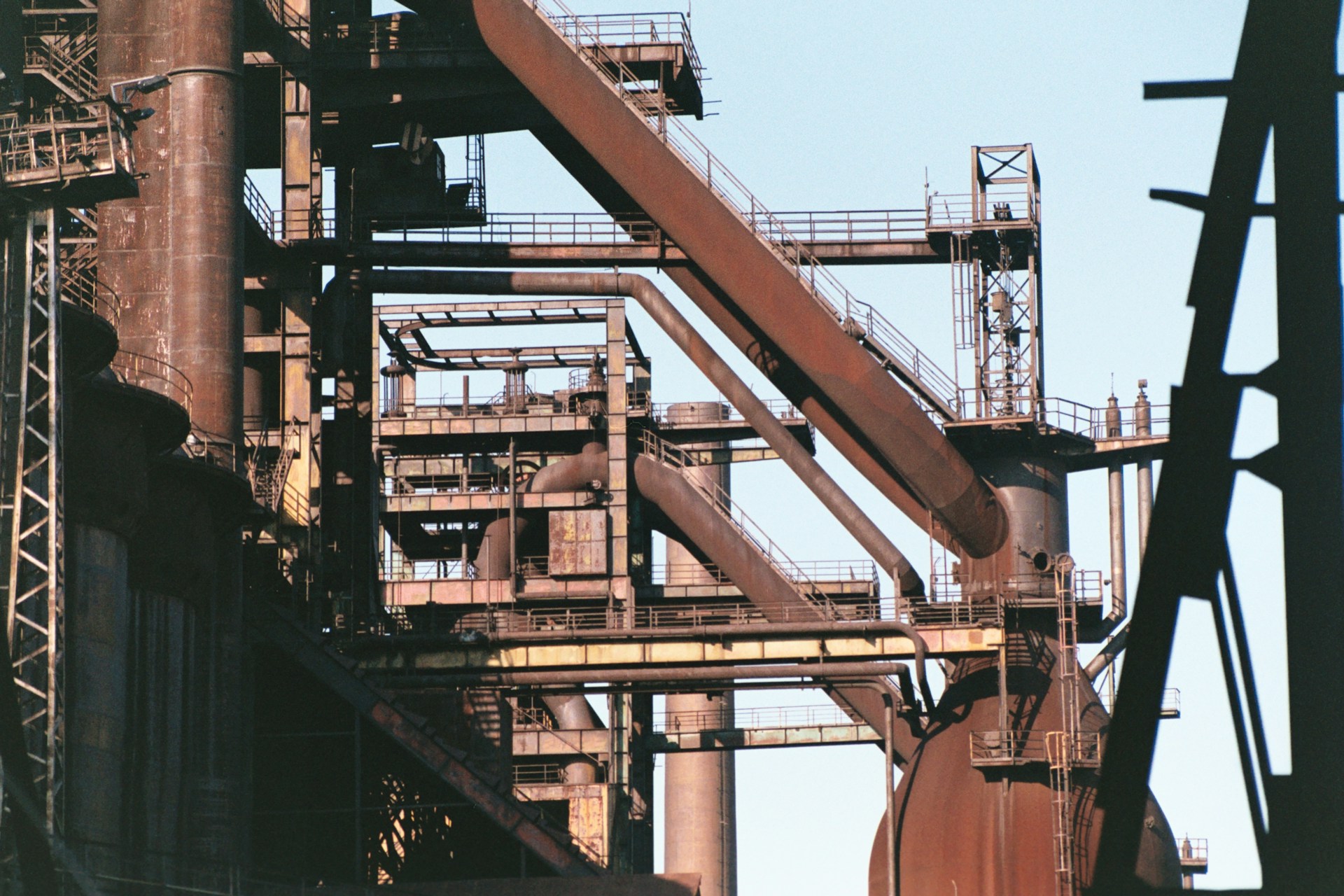
A truly modern steel industry is also a sustainable one, and this is a growing focus in Malaysia. Steel is inherently circular; it is the most recycled material on the planet. Local mills increasingly use Electric Arc Furnace (EAF) technology, which melts down scrap steel to produce new products, consuming significantly less energy and raw materials than traditional blast furnace routes. This circular model reduces landfill waste and conserves natural resources. Furthermore, the durability of steel products contributes to long asset lifecycles, and their strength allows for lighter, more material-efficient designs. Innovations like prefabrication also minimise on-site waste. As Malaysia advances its sustainability goals, the steel industry’s ability to provide strong, durable, and endlessly recyclable materials positions it not as a relic of the old economy, but as a critical pillar of a green, resilient future.
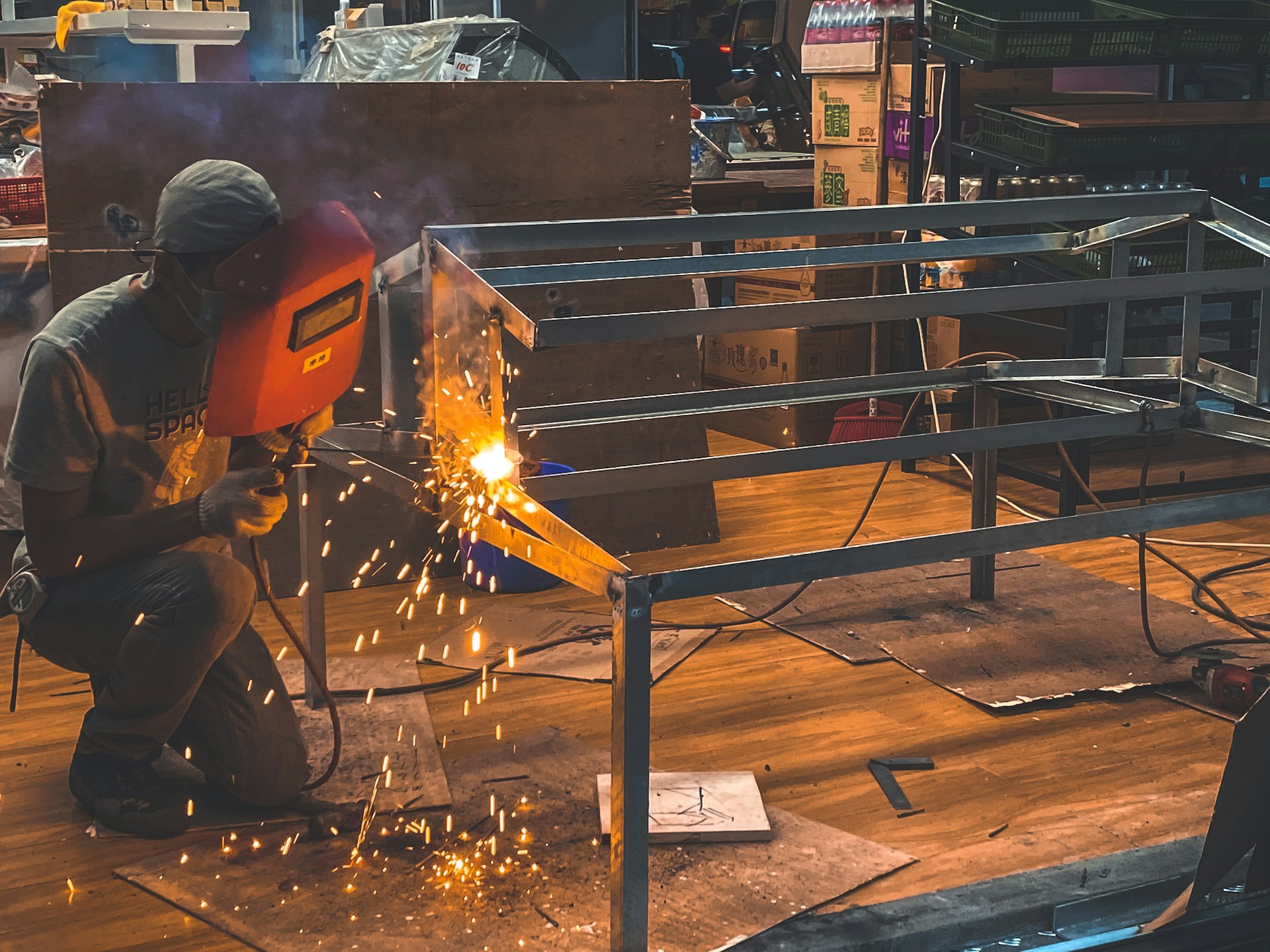
The human element within this industry is vast and varied. It encompasses the metallurgist in a lab fine-tuning an alloy's composition, the skilled welder joining beams with flawless integrity, the logistics coordinator planning the just-in-time delivery of tubes to a construction site, and the sales engineer advising a client on the best grating for a chemical plant walkway. It is an industry built on expertise, safety protocols, and a deep understanding that the products supplied are the literal building blocks of national infrastructure. A reputable steel supplier in Malaysia does more than sell tonnes of metal; they provide technical support, certification, traceability, and a guarantee that the material meets the specified standard. This reliability is non-negotiable, for the integrity of everything from a family's porch railing to a national landmark rests upon it.
In conclusion, to consider steel products in Malaysia is to look at the anatomy of development itself. It is a story that moves from the immense heat of the mill to the precise calculations of the engineer, from the bulk handling of raw coils to the custom fabrication of a unique architectural feature. It is an industry that simultaneously supports the monumental and the mundane. The next time you cross a bridge, work in an office, or even open a kitchen appliance, consider the journey of the steel within it. It is a material that has been mined, melted, shaped, treated, and thoughtfully applied by a vast network of people dedicated to building a stronger, safer, and more enduring Malaysia. Far from being a cold commodity, steel is the resilient, adaptable, and essential backbone of the nation's continued ascent.
The human element within this industry is vast and varied. It encompasses the metallurgist in a lab fine-tuning an alloy's composition, the skilled welder joining beams with flawless integrity, the logistics coordinator planning the just-in-time delivery of tubes to a construction site, and the sales engineer advising a client on the best grating for a chemical plant walkway. It is an industry built on expertise, safety protocols, and a deep understanding that the products supplied are the literal building blocks of national infrastructure. A reputable steel supplier in Malaysia does more than sell tonnes of metal; they provide technical support, certification, traceability, and a guarantee that the material meets the specified standard. This reliability is non-negotiable, for the integrity of everything from a family's porch railing to a national landmark rests upon it.
In conclusion, to consider steel products in Malaysia is to look at the anatomy of development itself. It is a story that moves from the immense heat of the mill to the precise calculations of the engineer, from the bulk handling of raw coils to the custom fabrication of a unique architectural feature. It is an industry that simultaneously supports the monumental and the mundane. The next time you cross a bridge, work in an office, or even open a kitchen appliance, consider the journey of the steel within it. It is a material that has been mined, melted, shaped, treated, and thoughtfully applied by a vast network of people dedicated to building a stronger, safer, and more enduring Malaysia. Far from being a cold commodity, steel is the resilient, adaptable, and essential backbone of the nation's continued ascent.